
Last updated November 15, 2026
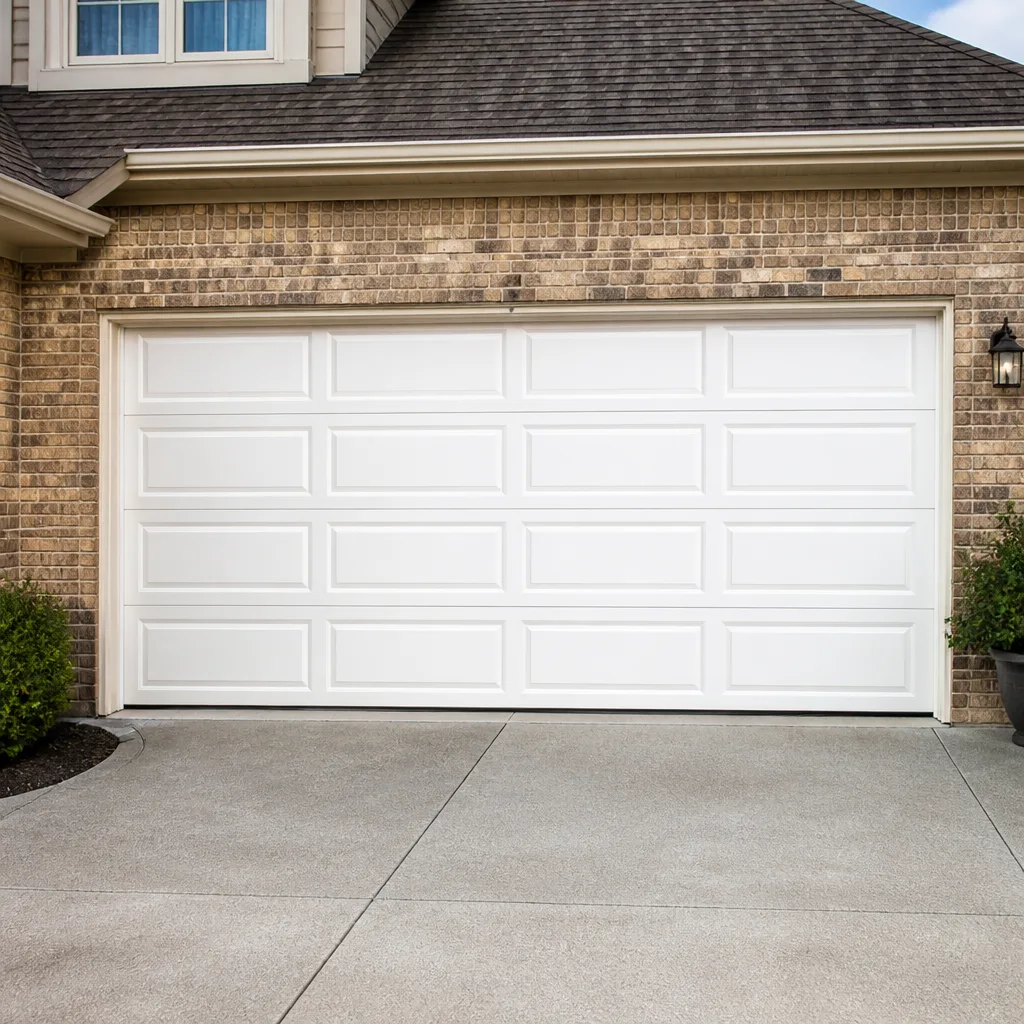 Raised-panel steel
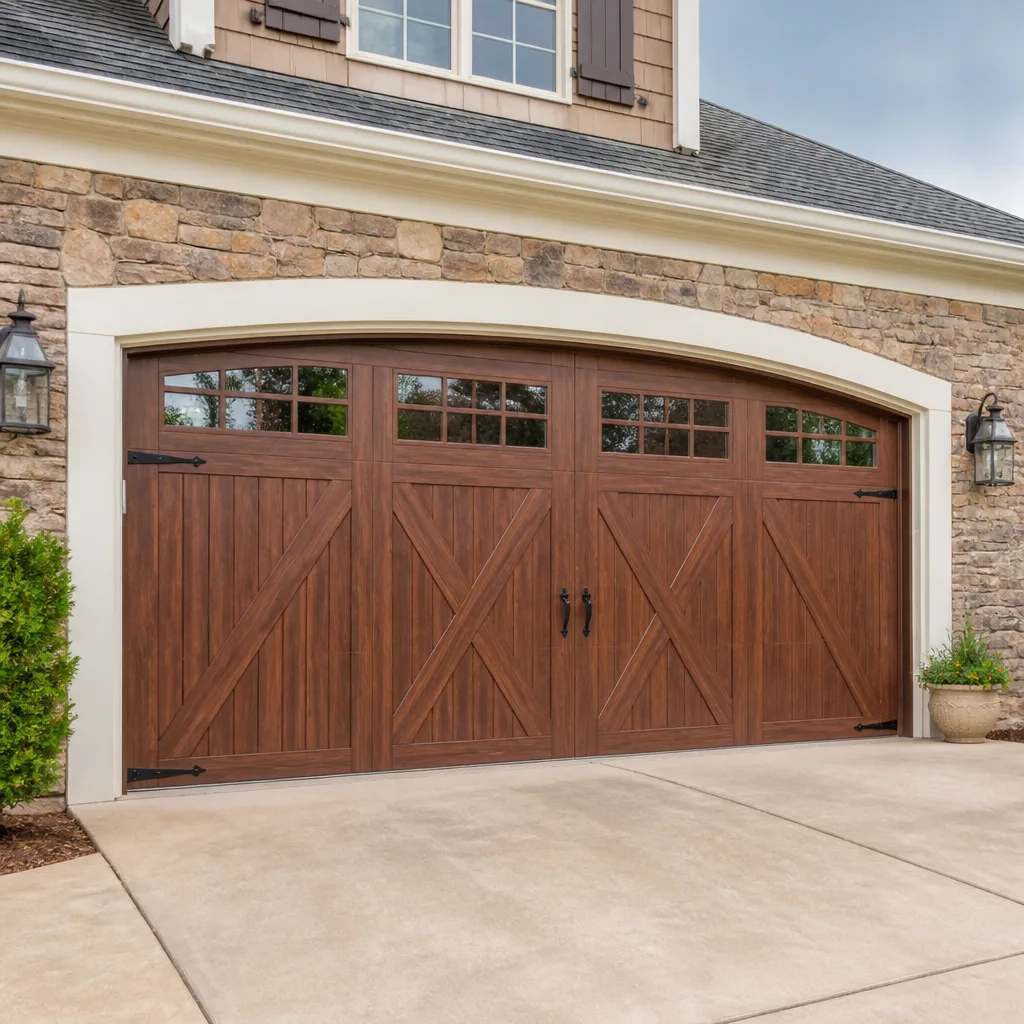 Carriage house
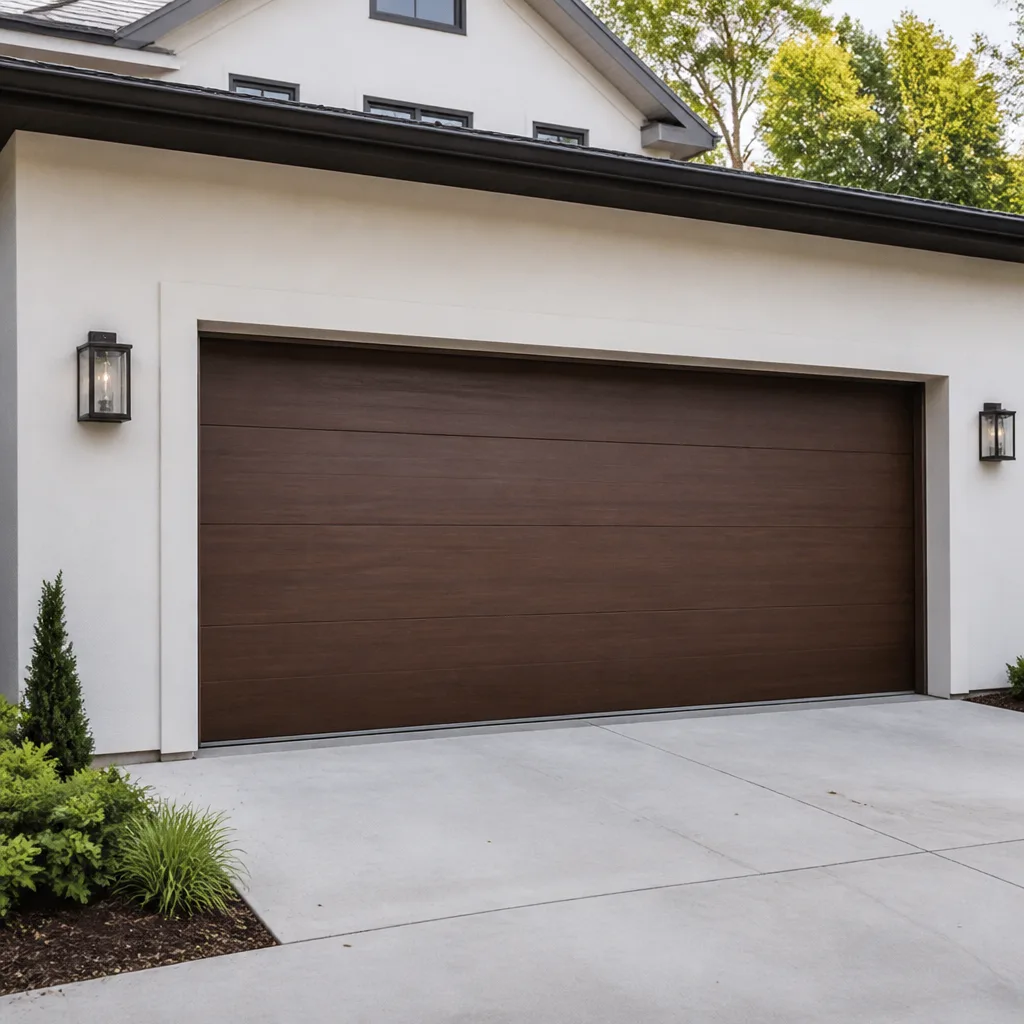 Modern flush
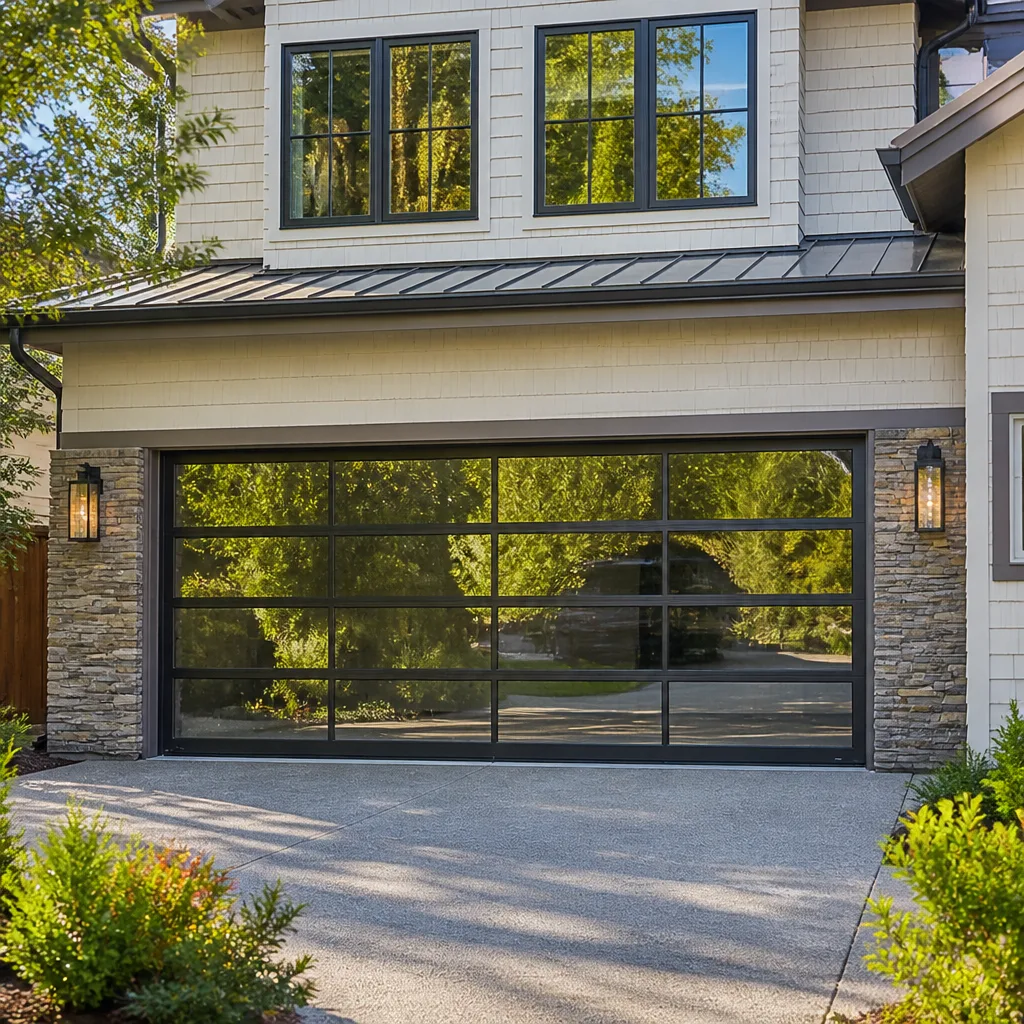 Full-view glass
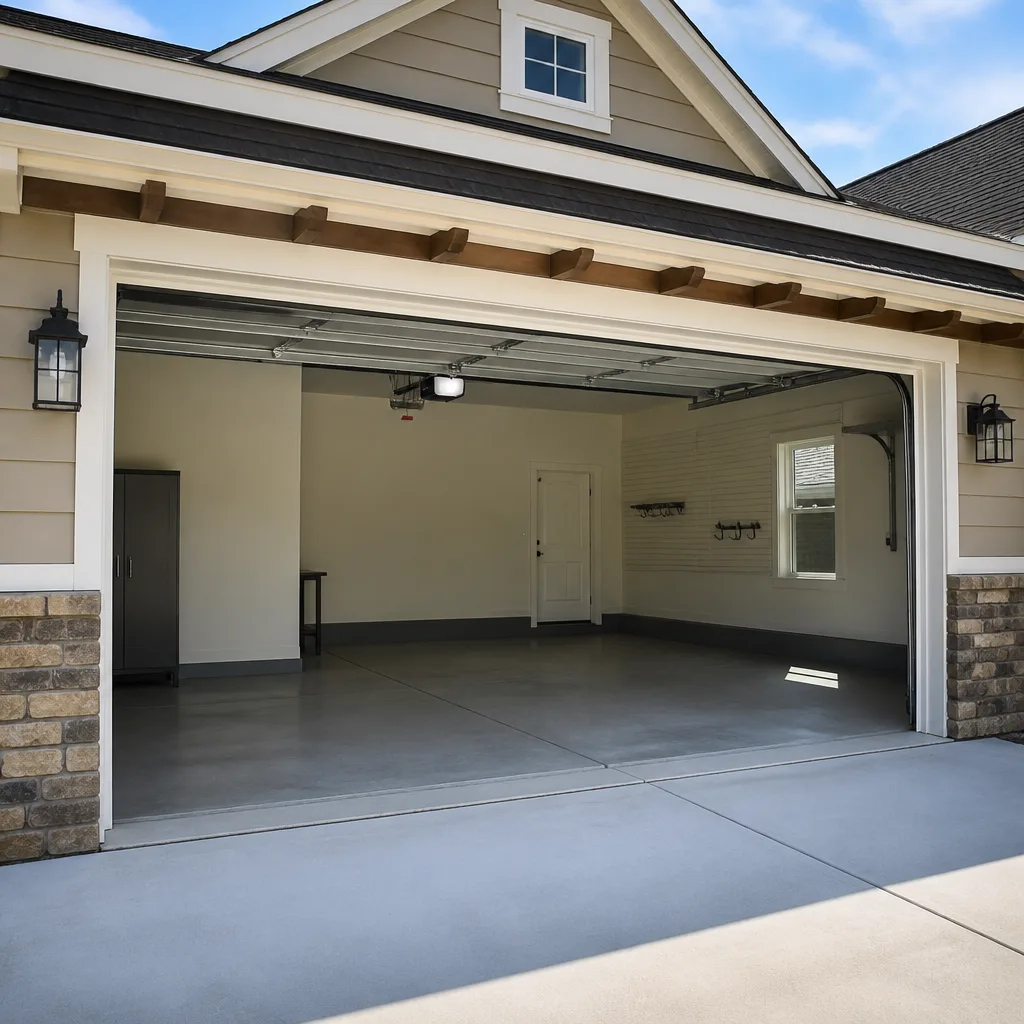 LiftMaster openers
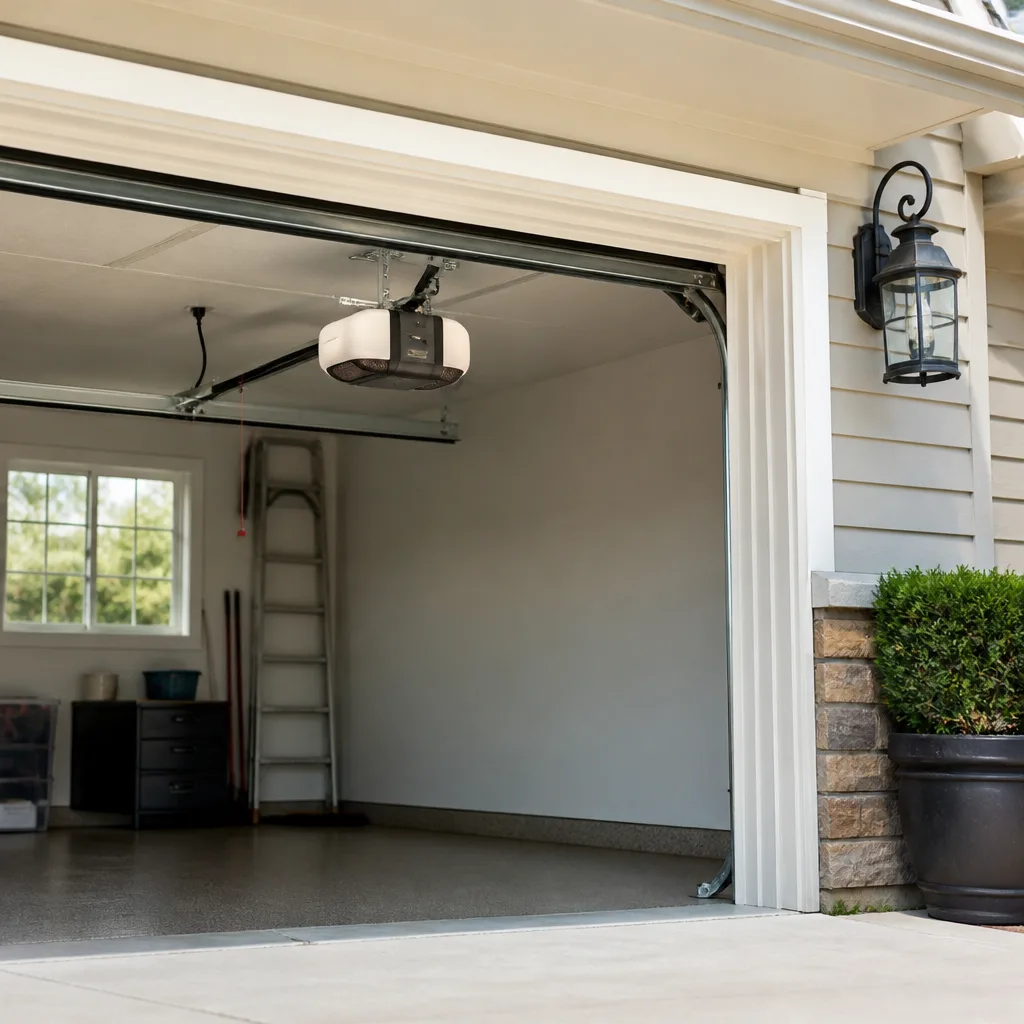 Chamberlain openers
Full 25-point door and opener safety check with every visit - springs, cables, rollers, tracks, and your LiftMaster or Chamberlain opener included
You get a price before we start. It does not change when the pro arrives.
Get your free estimateGarage Door Warning Signs: An Edinburg Homeowner’s Reference Guide
A garage door that reverses before it fully closes is usually filed away as a minor annoyance. In Edinburg, that behavior often turns out to be the door’s safety sensor tripping on thermal shimmer rising off hot concrete, not a failed sensor at all. The same goes for a grind that only shows up in the afternoon, or a spring that looks fine until you notice the rust pattern along its coil. Warning signs in this climate don’t always mean what they seem to mean, and the heat moves them along faster than most homeowners expect. This guide pairs each symptom with the component most likely behind it, an urgency rating, and what happens if you let it ride.
Styles & brands we work with
- Raised-panel steel
- Carriage house
- Modern flush
- Full-view glass
- LiftMaster openers
- Chamberlain openers
Quick Answer
Stop using the door immediately if you hear a loud bang from the torsion bar, see a gap in a spring coil, or watch the door drop faster than it rises – those point to spring or cable failure and can injure someone. Grinding, squealing, and rattling are usually safe to schedule within days, not hours, but move faster in Edinburg’s summer heat because the same symptom progresses quicker here than in cooler climates. Any noise paired with a door that won’t hold its position halfway up is a stop-now sign.
Table of Contents
- The Noise Diagnosis Matrix: What Each Sound Tells You
- The Three Signs That Mean Stop Using the Door Now
- How Edinburg Heat Accelerates the Progression From Warning to Failure
- Visual Signs Unique to Edinburg Conditions
- Opener Behavior Changes: Early Indicators of Motor and Logic Board Stress
- When a Reversing Door Isn’t a Sensor Failure
- Scheduled Repair vs. Emergency Call: How to Decide
- Common Mistakes to Avoid
- When to Call a Professional
- Frequently Asked Questions
- The Bottom Line
The Noise Diagnosis Matrix: What Each Sound Tells You
Every garage door makes noise. The question is which noise, and whether it started recently. We’ve found that homeowners in Edinburg who can describe the sound precisely get a faster, cheaper diagnosis than the ones who just say “it’s loud.”
Here’s how we break down the four most common sounds and what each one usually means:
- Grinding. Metal-on-metal contact, most often worn nylon rollers or a dry torsion bar. It’s the sound of surfaces that should be gliding against each other and aren’t. Urgency: moderate. Schedule within a week, sooner in summer.
- Squealing. High-pitched and rhythmic, usually a dry hinge or a roller bearing that’s lost its lubrication. Compared to grinding, this one is more irritating than dangerous. Urgency: low. It’s a maintenance call, not a failure call.
- Popping. A single sharp report when the door starts to move or changes direction points to a torsion spring that’s binding or a cable that’s slipped its drum. Urgency: high. Stop and look before the next cycle.
- Rattling. Loose bolts on the track brackets, panels that have worked free at their hinges, or a sagging opener chain. Urgency: moderate. The vibration itself wears other parts faster if ignored.
Two more sounds deserve their own line. A bang from the ceiling area near the header bracket is the classic spring-break sound and means stop now. A grinding that only appears in the afternoon is worth watching over a few days rather than reacting to once – if it fades overnight and returns as the slab heats up, we’ve found it’s often track expansion or a panel that’s swelling in the heat, not a roller problem at all.
If the noise is new and you’re not sure which of these you’re hearing, our team can help you sort it out. We handle garage door repair as our founding service, and technicians with up to experience usually know the difference from the first ten seconds of listening.
The Three Signs That Mean Stop Using the Door Now
Most warning signs give you time. A small handful don’t. If you see any of the following, stop operating the door and leave it where it is until a technician has inspected it.
- A visible gap or separation in the torsion spring. A torsion spring under load holds the entire door’s weight. When one breaks, the door becomes dangerously heavy and the spring stays under tension. Do not try to clear the pieces yourself.
- A cable that’s off its drum or dragging. Cables are wound tight and under load. An off-track cable can snap with force and cause serious injury. This is one of the most common reasons we get called out in Edinburg.
- The door falls faster than it rises, or won’t hold itself at a half-open position. That’s a spring that’s lost tension but hasn’t broken yet. It’s the stage right before the bang. Manual operation of a door in this state is risky.
Those three are hard-stop signs. Below is the opposite list: the symptoms that give you room to schedule a normal repair window instead of dropping everything.
- Occasional squealing on lift-off, with normal operation otherwise.
- A remote with shorter and shorter range but a wall button that works fine.
- Rattling that quiets after the door is fully open.
- Slow starts that still complete the cycle.
- A sensor that trips during direct afternoon sun but works the rest of the day (more on this below).
The line between the two lists is whether the door still holds its own weight. If it does, and the problem is sound or electronics, you’re in schedule-and-watch mode. If it doesn’t, you’re in stop-now mode, and the door should be left alone until an experienced technician has looked at it. For anyone in Edinburg watching a sign that falls on the wrong side of that line, call (866) 389-4630. We answer 24/7.
How Edinburg Heat Accelerates the Progression From Warning to Failure
Heat is the accelerant. The same grinding sound in a mild climate might survive six months of neglect before a roller seizes. In Edinburg, we’ve seen it happen in a few weeks during a strong summer run of triple-digit days. That’s because metal expands and contracts through a wider swing here, which lengthens the door’s travel slightly, stretches the torsion cycle, and loosens the fasteners that hold tracks together. Rubber seals soften and shrink. Lubricant thins. Cables oxidize faster where they meet their fittings.
Here’s what that means in practice. A warning sign you’ve been aware of for two months in an Edinburg summer is roughly where the same untreated sign would be six months in elsewhere. It’s not a marketing line; it’s a mechanical reality about how many expansion cycles a door runs through here versus in a cooler place.
A useful way to think about it is the urgency ladder:
- Week 1-2: Intermittent sound, door works normally. Book a non-urgent appointment.
- Week 3-4: Sound becomes consistent, one cycle occasionally hesitates. Move that appointment up.
- Week 5-8: Door struggles, opens slowly, or the opener cycles its force limits. This is now urgent.
- Week 9+: Door reverses randomly, doesn’t fully close, or a bang has occurred. Stop and call.
Those windows are approximate and they compress in extreme heat or in older equipment. If you’re already past week four on any structural sign, don’t wait. Our technicians respond to garage door repair calls throughout the Edinburg area, and a brief phone conversation usually tells us where on the ladder you actually are.
Visual Signs Unique to Edinburg Conditions
You can read the door’s condition with your eyes before a sound tells you anything, if you know where to look. These are the visual cues that show up most often in homes across the Edinburg area.
Rust Patterns on Springs
Open the door, step back, and look at the torsion spring across the top of the door or the extension springs running along each side. Flash rust in streaks or spots at the coils isn’t cosmetic. It means the protective coating has broken down, and the coil is now pitting under load. Spring life climbs down quickly from there. In our experience, a rusted spring is a scheduled replacement, not a watch-and-wait.
UV Bubbling on Panels
Look at the outside face of the door in the late afternoon when the sun rakes across it. Small bubbles or chalky patches on steel panels mean the finish has lost its UV resistance. Once that layer is gone, moisture gets in at the panel seams, and the steel behind it starts to fail. Wood doors show it as a checked or faded finish that stains in humidity. Either way, it’s a sign that the door’s life is now on a clock you can see.
Seal Shrinkage and Gaps at the Bottom
Run your hand along the weather seal at the bottom of the door from the inside, on a closed door, and feel for gaps. A seal that’s shrunk away from the floor lets in water, dust, and small pests. The gap is also a sign that the door is no longer sealing properly top to bottom, which usually means the panel balance has shifted and needs adjustment.
Panel Separation and Sag
Stand in front of the closed door and sight along its surface. If one section sits slightly proud of its neighbor, the hinge or the panel itself has started to give. Left alone, the door’s balance goes with it.
For a wider tour of the local repair landscape, see our Edinburg page, which covers the service lines we run here and the kind of jobs we see most often in the valley.
Opener Behavior Changes: Early Indicators of Motor and Logic Board Stress
The opener is the part of the system that talks to you first. Long before a door physically fails, the motor and its control board start behaving differently. Those behavior changes are the least dramatic warning signs and the most useful ones, if you’re paying attention.
Watch for these four:
- Slow starts. The door hesitates for a second before the motor engages. Sometimes that’s a dying capacitor; sometimes it’s the opener straining against a door that’s gone out of balance. Either way, a slow start is a signal.
- Force errors or the door reversing mid-travel. Many models, including current LiftMaster and Chamberlain units, will cycle through reversals and stop when the motor detects resistance above its set limit. That’s the opener protecting itself from something else. Don’t ignore the error; diagnose the cause.
- Remote lag or shrinking range. If the remote used to open from the driveway and now only works from ten feet away, but the wall button works fine, you likely have a logic board issue or a worn antenna wire, not a dead battery. Genie and LiftMaster units both show this pattern.
- Lights staying on past the cycle, or the opener beeping. That’s a self-diagnostic. Something in the force or travel limits has drifted, usually because the door’s weight is being carried by the opener rather than the springs.
Opener diagnostics are their own discipline, which is why we handle garage door opener repair as a distinct service rather than folding it in with general door work. The control board, force limits, and safety reverse logic on a modern opener require a different diagnosis path than a spring or a cable does. Covenant Garage Door Repair works on LiftMaster, Chamberlain, Genie, Clopay, Amarr, Wayne Dalton, Craftsman, and Raynor equipment, so whatever’s mounted on your ceiling, we’ve likely worked on the same line before.
When a Reversing Door Isn’t a Sensor Failure
A door that reverses before fully closing is the most misdiagnosed warning sign in Edinburg. Homeowners usually assume the safety sensor is broken and start looking for a replacement. The sensor is often fine. What’s happening is thermal shimmer.
On a hot day, the concrete driveway in front of the door absorbs heat and radiates it. That radiation bends the light path between the two safety sensors the same way heat bends light above a summer road. From the sensor’s perspective, the beam is interrupted. The opener reads that as an obstruction and reverses the door.
The tell: the problem happens only during a specific window of the day, usually mid-afternoon, and the door works normally in the morning or after sunset. If that’s your pattern, you’re dealing with an alignment or a heat-related false-trip issue, not a dead sensor. A proper diagnosis usually means checking the sensor alignment against the sun’s path, checking for loose wiring, and sometimes slightly repositioning the sun hood over the receiving eye.
What it isn’t: a door that reverses randomly at all hours, or that won’t close even after dark. Those are real sensor or logic board problems and need the opener looked at. Get the pattern right before you get the fix, because the two paths lead to very different work. If you can’t tell which one you have, call us and describe the timing. That single detail usually narrows it down in the first minute.
Scheduled Repair vs. Emergency Call: How to Decide
The question we hear most often is some version of “do I need to call you now, or can this wait until I’m ready?” Here’s the decision path we walk through with a homeowner who calls us:
- Is the door still holding its own weight? Pull the manual release (the red cord) only if the door is fully down. If you can lift the door to halfway open by hand and it stays there, the springs are doing their job. If it drops, stop and call. Do not manually operate a door with a suspected spring or cable issue.
- Is the noise coming from above the door (springs, header, torsion bar) or from the sides (rollers, tracks, hinges)? Above-door noise is more serious on average. Side noise is usually cheaper and can wait a few days.
- Has the door reversed or failed to close in the last 24 hours? If yes, move to urgent. If the reversal pattern is predictable and time-of-day-specific, you can schedule within the week.
- Has any part visually changed? Rust streak, panel bubble, gap at the seal, or a visible kink in the track moves the timeline up.
- Is the opener showing force errors? Those are a strong indicator the door has gone out of balance. Urgent, because continuing to run the opener on an unbalanced door shortens the opener’s own life.
If you’re between scheduled and urgent and you’re not sure which side you’re on, call. That conversation costs you nothing, and describing the sound to someone who’s worked on garage doors for up to 14 years is often faster than trying to diagnose it yourself. We answer 24/7 and dispatch fast from 7am to 7pm, Sunday through Friday. A call outside dispatch hours is booked into the next opening, Sunday through Friday, 7am to 7pm. Prices are quoted and agreed before any work starts, so there’s no invoice surprise on the other side.
Common Mistakes to Avoid
- Treating a reversing door as a sensor replacement first. In Edinburg’s summers, thermal shimmer off the driveway causes a large share of reversals. Swapping the sensor without checking the sun path wastes a part and doesn’t fix the door.
- Spraying oil on the torsion spring and calling it maintenance. A dry torsion spring is a real problem, but a wet one attracts dust, and dust turns into an abrasive paste inside the coils. Use the lubricant the manufacturer specifies, and apply it in the right quantity, not more.
- Ignoring a sound that only happens in the afternoon. A sound tied to the heat cycle is telling you something specific about the door’s track or balance. Dismissing it as “the sun” is how a small adjustment turns into a panel or hinge replacement.
- Manually operating a door with a suspected spring problem. The red release cord is not a safety valve for a broken spring. On a door with a broken torsion spring or a slipping cable, manual operation can drop the door fast. Leave it where it is and call.
- Turning the opener’s force dial up to “fix” a reversing door. That defeats the safety reverse and masks the real problem, which is that the door is heavier than it should be. This is one of the more dangerous shortcuts we see.
- Waiting out the week before a hot holiday stretch. Long stretches of triple-digit weather in Hidalgo County compress the urgency timeline above. A grinding roller in May can be a seized roller by early July.
- Hiring a multi-trade handyman for a torsion spring. Springs and cables are the most injury-prone part of this trade. A specialist knows the load math; a generalist usually doesn’t. See Covenant Garage Door Repair for how we treat the specialty.
When to Call a Professional
Call us if any of the following apply: you’ve heard a bang from the header area, the door won’t hold halfway open, a spring looks gapped or rusted, a cable is off its drum or slack, the door reverses at unpredictable times, the opener cycles force errors on a healthy-looking door, or a panel has visibly separated from its neighbors. Also call if a scheduled repair has been sitting for more than a week in the middle of an Edinburg summer heat stretch; the urgency ladder moves faster than most homeowners expect.
The things you don’t need us for: a squeaky hinge you can lubricate with the manufacturer’s recommended product, a dead remote battery, or a sensor that’s simply been knocked out of alignment by a stray trash can. Those are quick checks worth doing yourself before you pick up the phone.
Everything on the harder list is a garage door problem first and a hardware problem second. We work on LiftMaster, Chamberlain, Genie, Clopay, Amarr, Wayne Dalton, Craftsman, and Raynor systems, and we don’t touch plumbing, HVAC, or general handyman work, because garage doors are all we do. Covenant Garage Door Repair offers free estimates in Edinburg – call (866) 389-4630. Estimates are free, the price is quoted and agreed before any work starts, and the written estimate is the final price. We answer 24/7.
Frequently Asked Questions
Intermittent reversing that’s tied to a specific time of day is the most common in Edinburg, and it’s usually thermal shimmer off the driveway rather than a failed sensor. The second most common is rust streaking on the torsion spring, which shows up faster in the local heat. Both are visible or audible before the door actually fails. Call (866) 389-4630 for a free estimate if either sounds familiar.
A spring about to break usually shows rust, a slight uncoupling in the coil, or a door that no longer holds its halfway position. Any of those is a stop-using-the-door sign until a technician has looked at it. Don’t manually operate the door to “test” it. Call us and describe what you see; we answer 24/7.
Yes, briefly, if the door still opens and closes normally and holds its position. Grinding that’s paired with a door that hesitates, reverses, or fails to fully close is different. In Edinburg’s heat, a grinding roller or dry hinge can progress to seized hardware in a few weeks. Schedule the repair rather than waiting for the failure. Estimates are free.
Afternoon-only problems almost always point to heat. Thermal shimmer off the driveway trips the safety sensor, tracks expand slightly, and the door’s balance shifts a fraction as the metal warms. That’s a real diagnosis, not a fluke, and it’s worth having a technician look at the alignment and balance before the door gets into a worse state. Call (866) 389-4630 to book it.
Repair is usually the right call when the door’s panels and frame are sound and the problem is springs, cables, rollers, or the opener. Replacement makes more sense when panels have separated, the steel has rusted through, or the door’s overall balance can’t be restored. We handle full new-door installation as well as repair, so we can tell you honestly which path the door is on. Both start with a free estimate and a written quote.
Stop operating the door. A bang from above the door usually means a torsion spring has broken, and the door is now much heavier than the opener is designed to lift. Leave it as is, don’t try to clear the pieces, and call. We answer 24/7 and book a technician into the next opening, Sunday through Friday, 7am to 7pm. Call (866) 389-4630.
The Bottom Line
Most garage door failures announce themselves first, in noise, in rust, in a reversing pattern that’s tied to the time of day. The warning signs are not subtle; they’re just easy to talk yourself out of. In Edinburg, the heat speeds up the conversation between symptom and failure, which is why two months of waiting here can equal six months somewhere cooler. Read the sound, check the spring for rust, note whether the door holds its own weight, and don’t turn the force dial up to silence a problem the door is trying to tell you about. If you’re not sure where on the urgency ladder you are, call and describe it. The right fix is usually the one the symptom already told you to expect.
Call (866) 389-4630 for a free estimate. We answer 24/7. Fast dispatch from 7am to 7pm, Sunday through Friday.
Written by the team at Covenant Garage Door Repair.
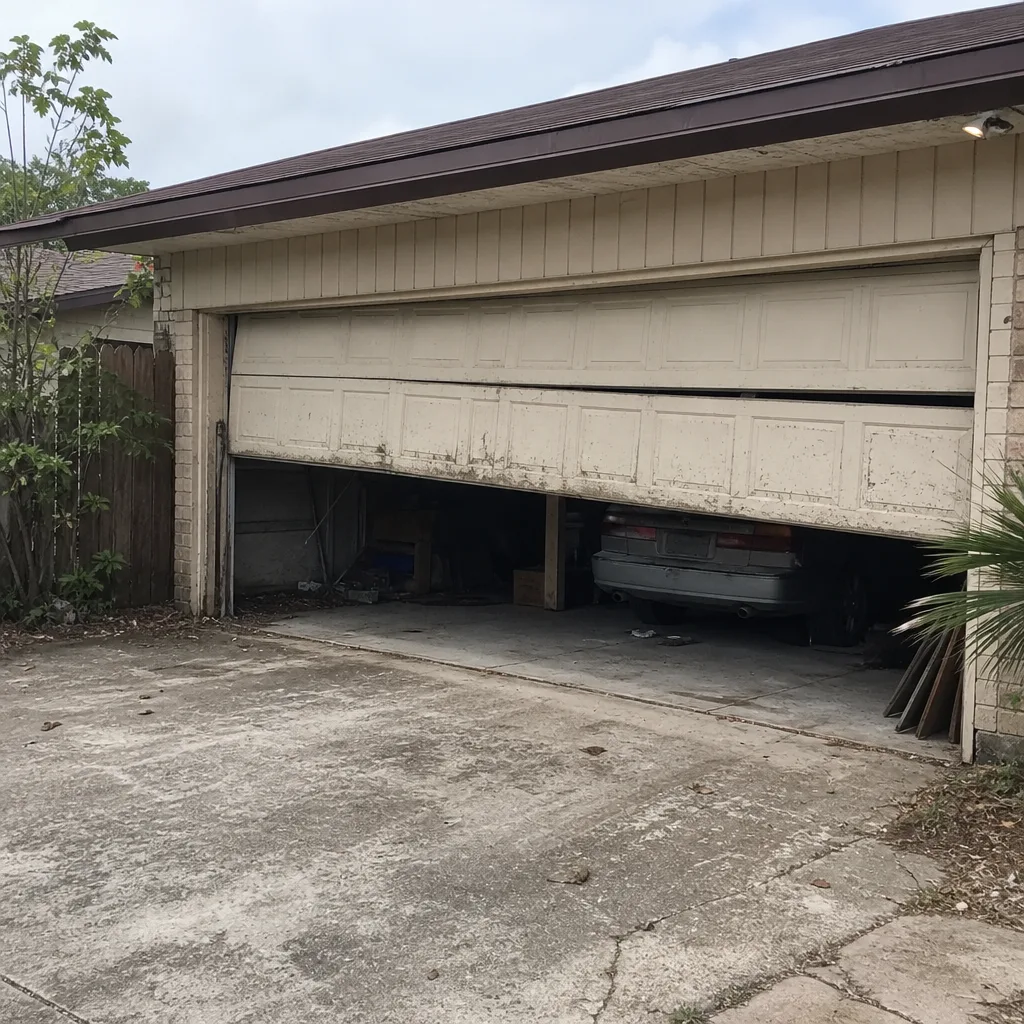
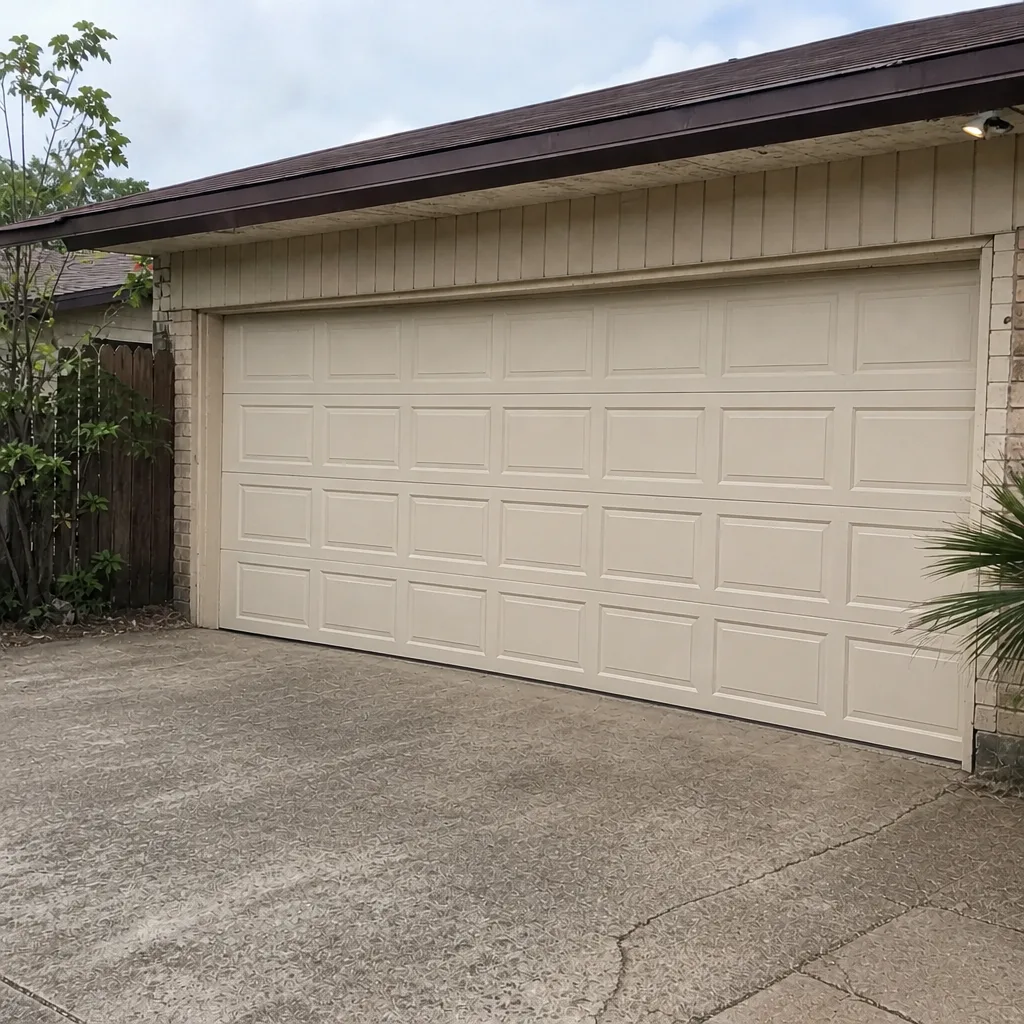
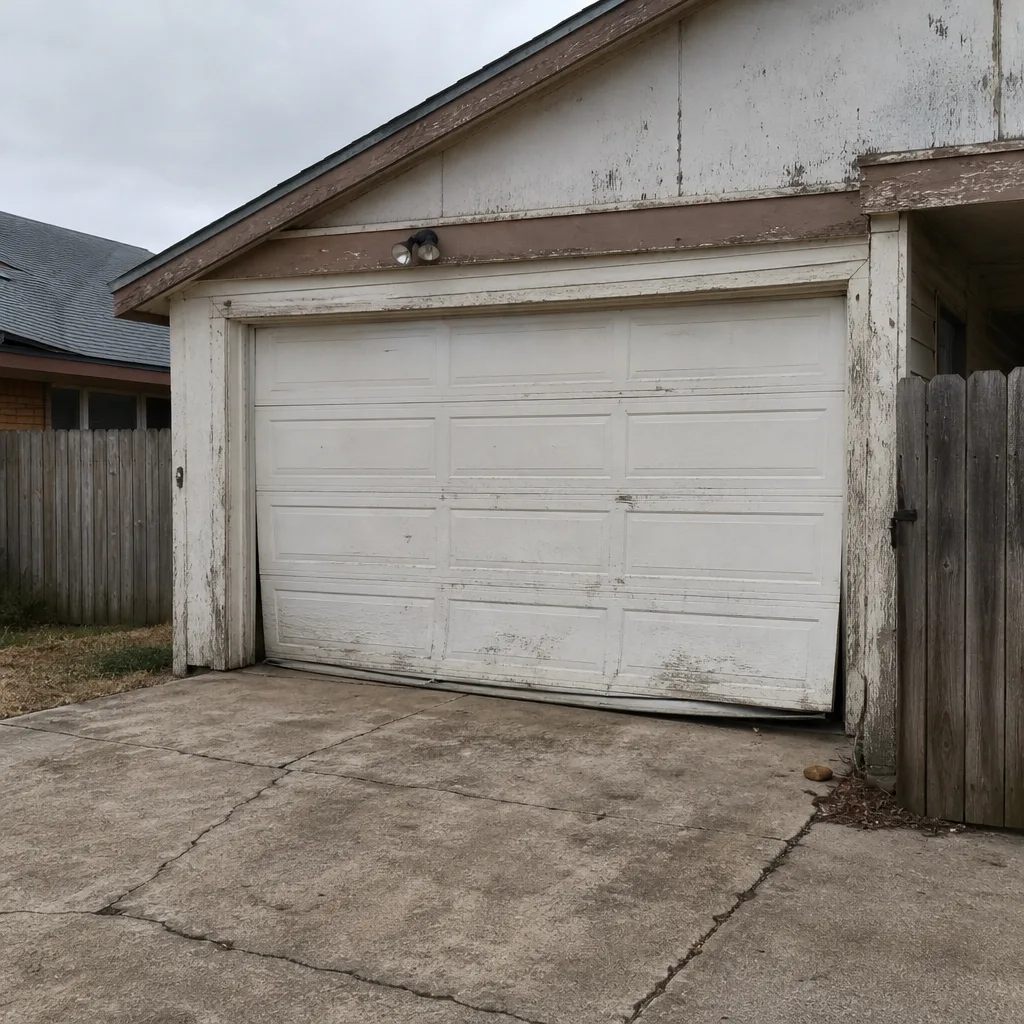
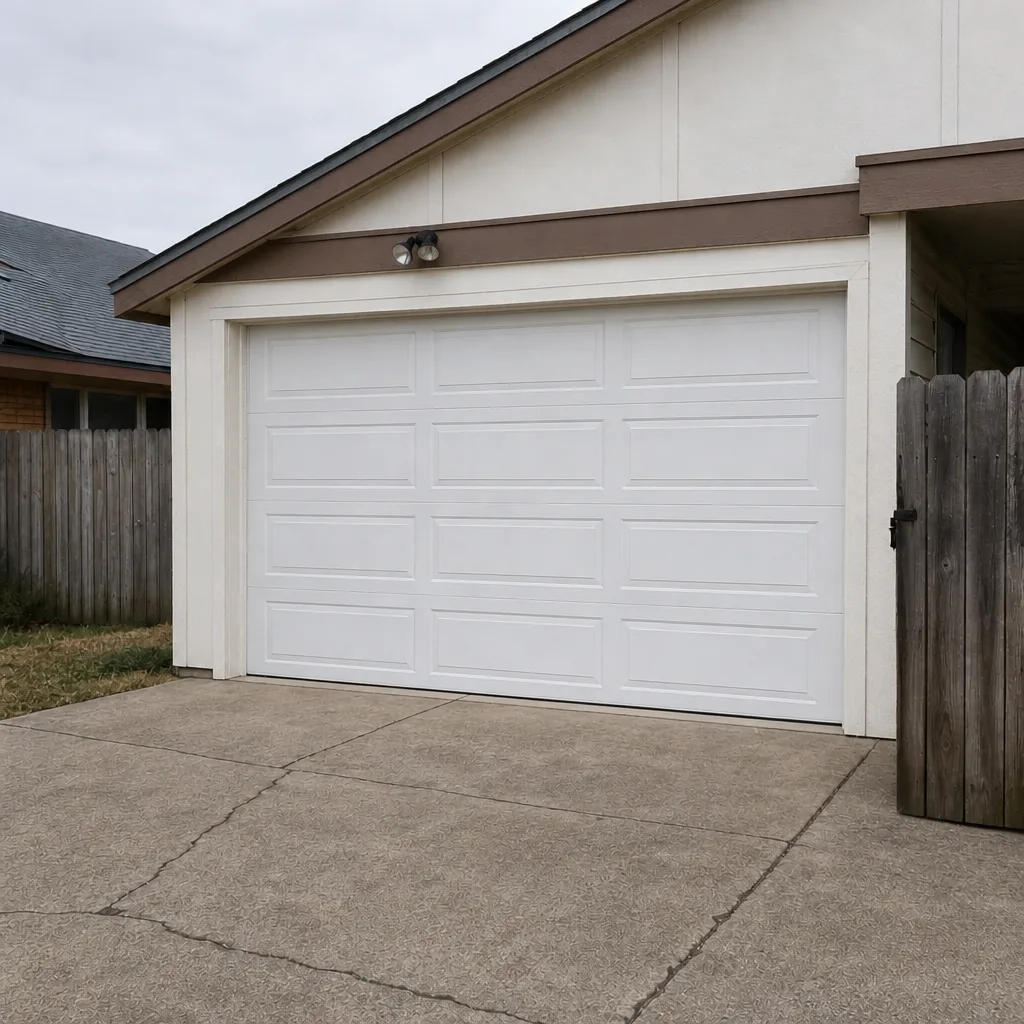
See the difference
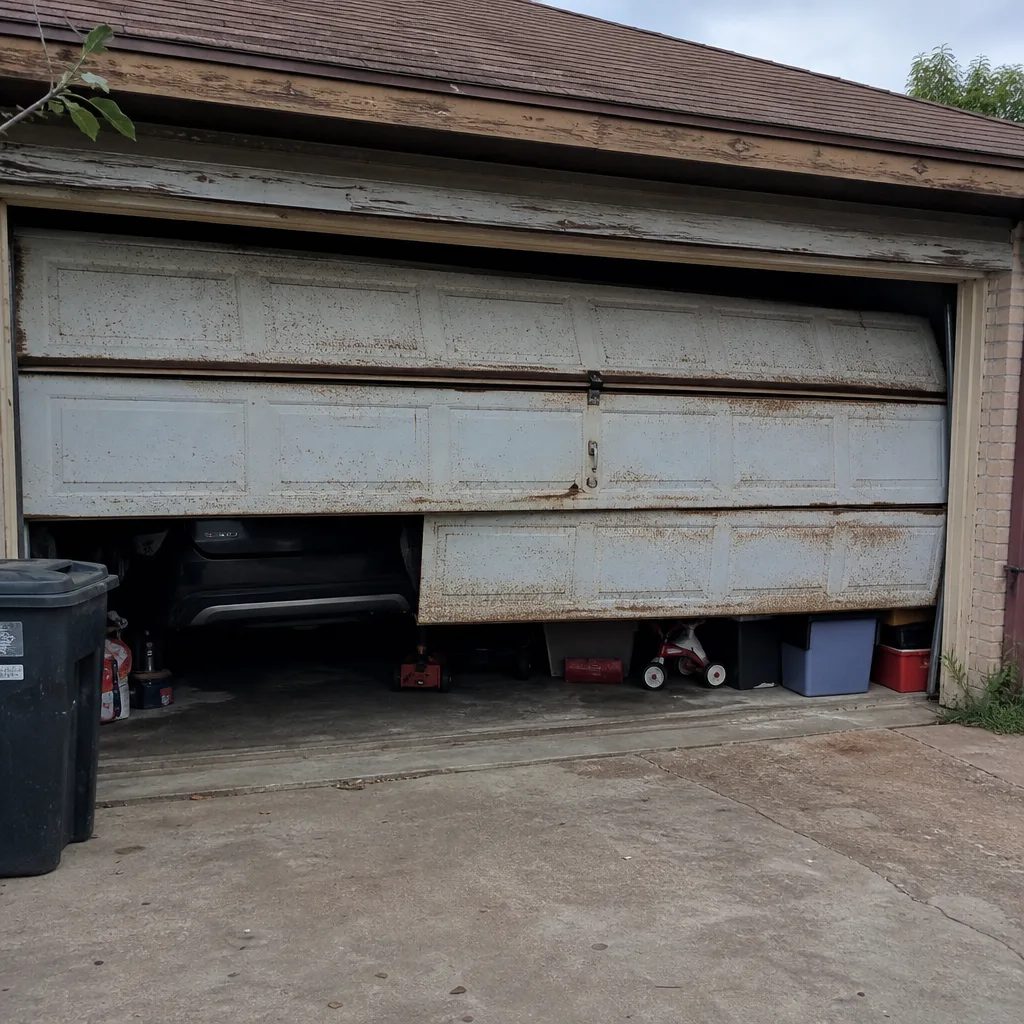 Before
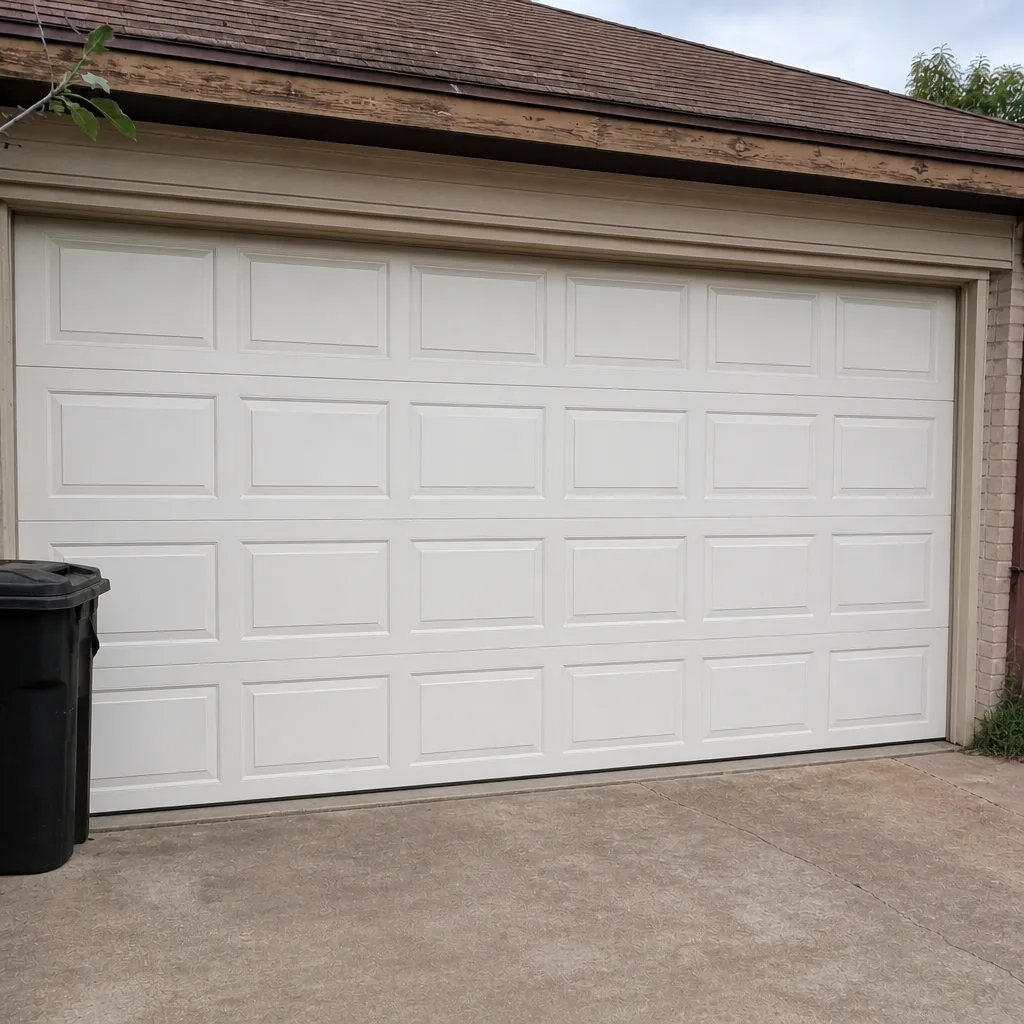 After
 Before
 After
 Before
 After