
Last updated November 15, 2026
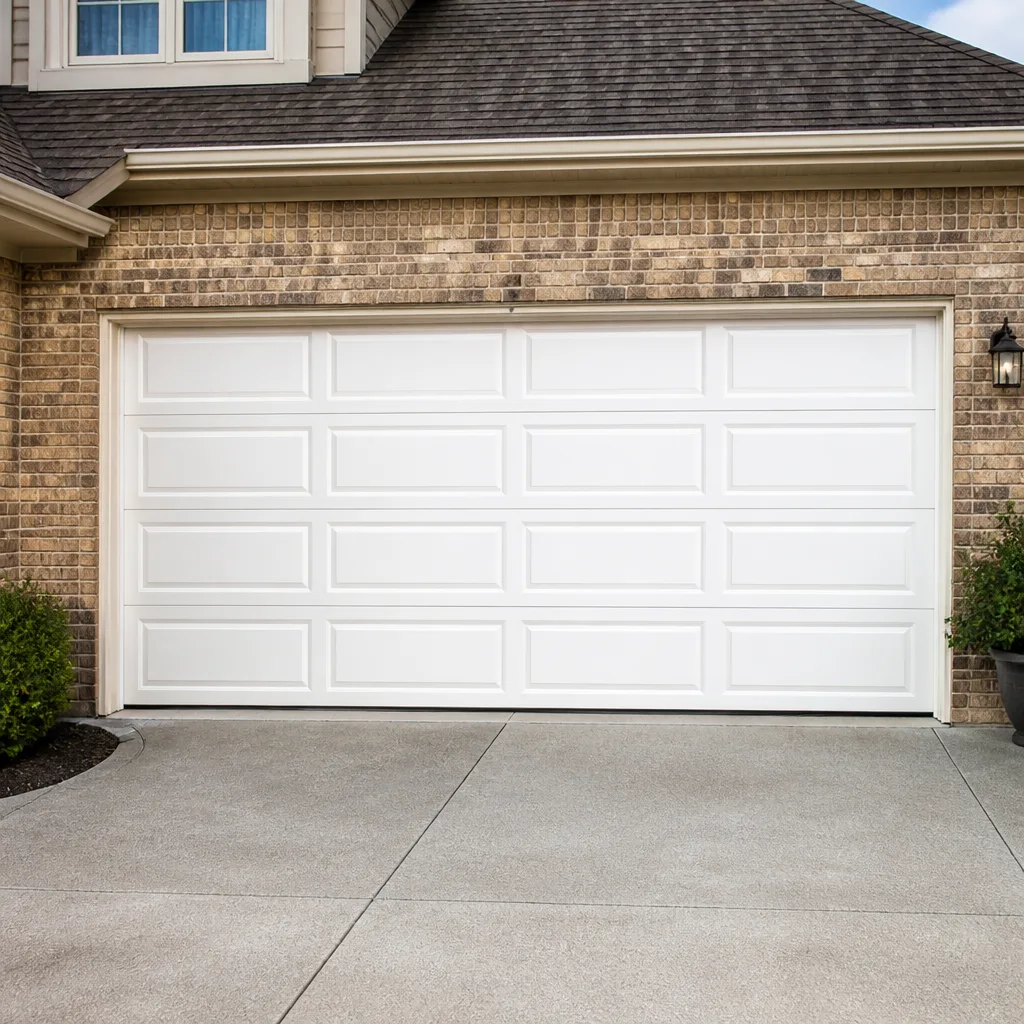 Raised-panel steel
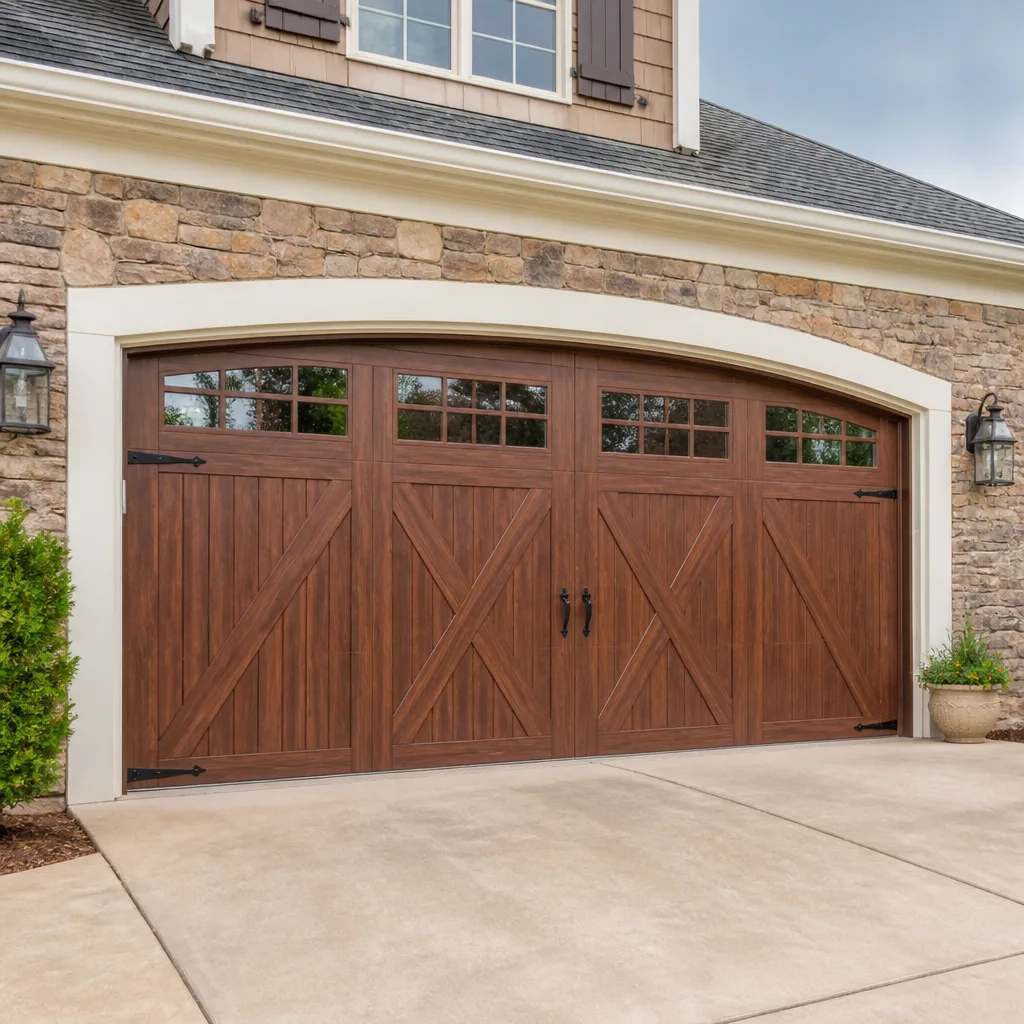 Carriage house
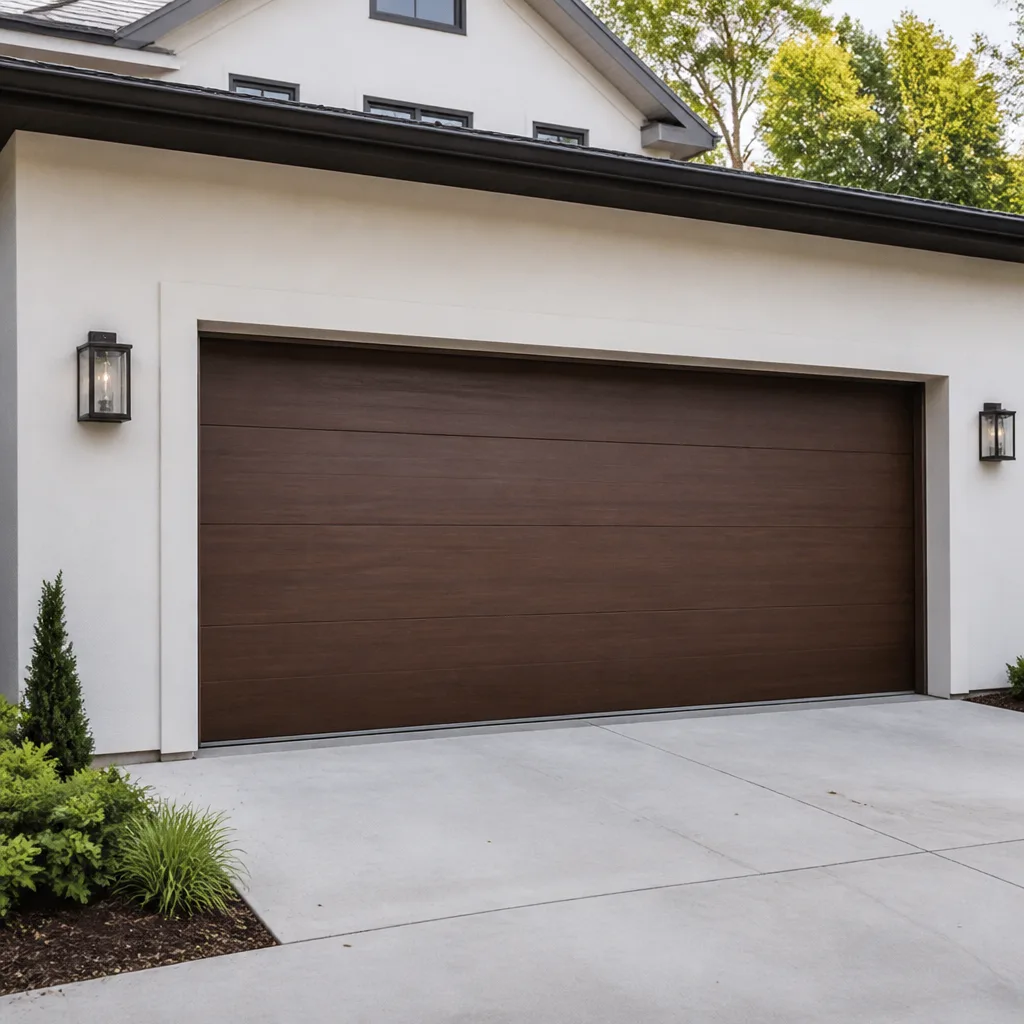 Modern flush
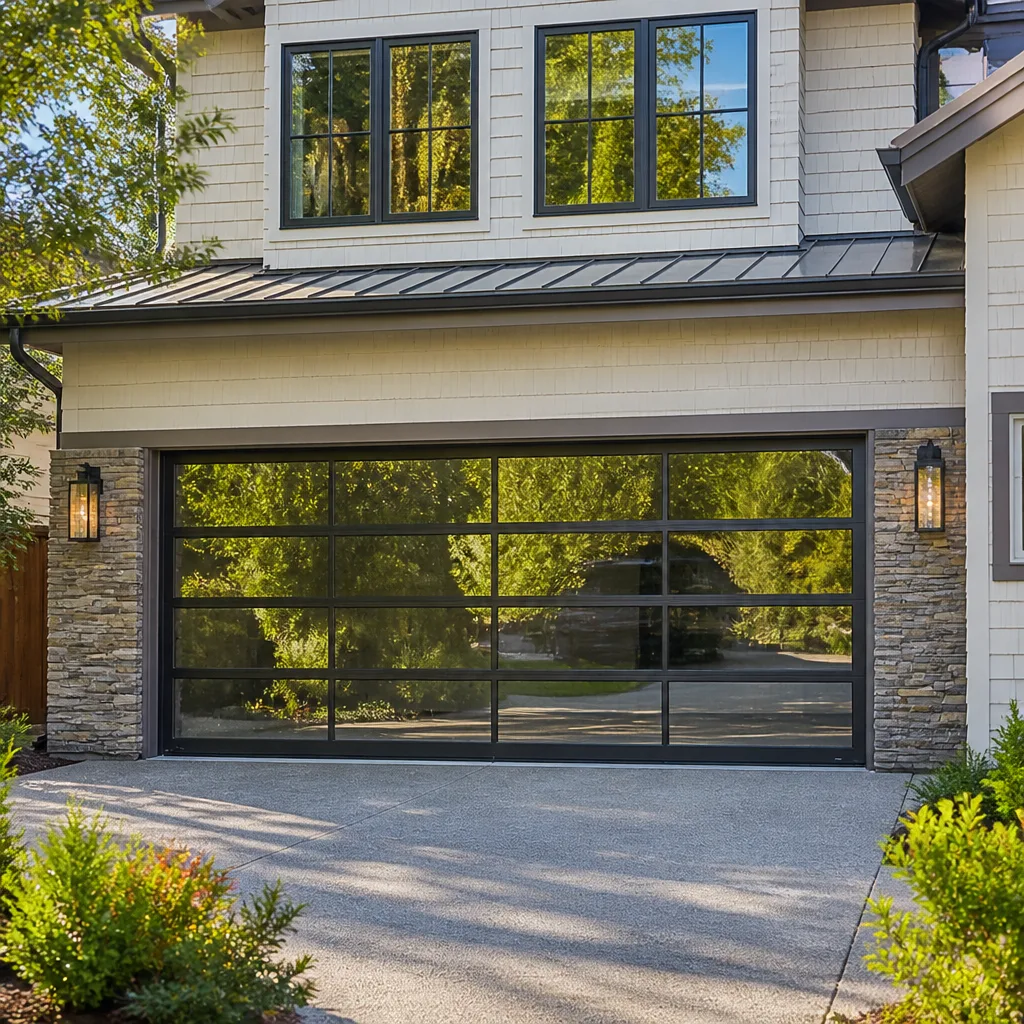 Full-view glass
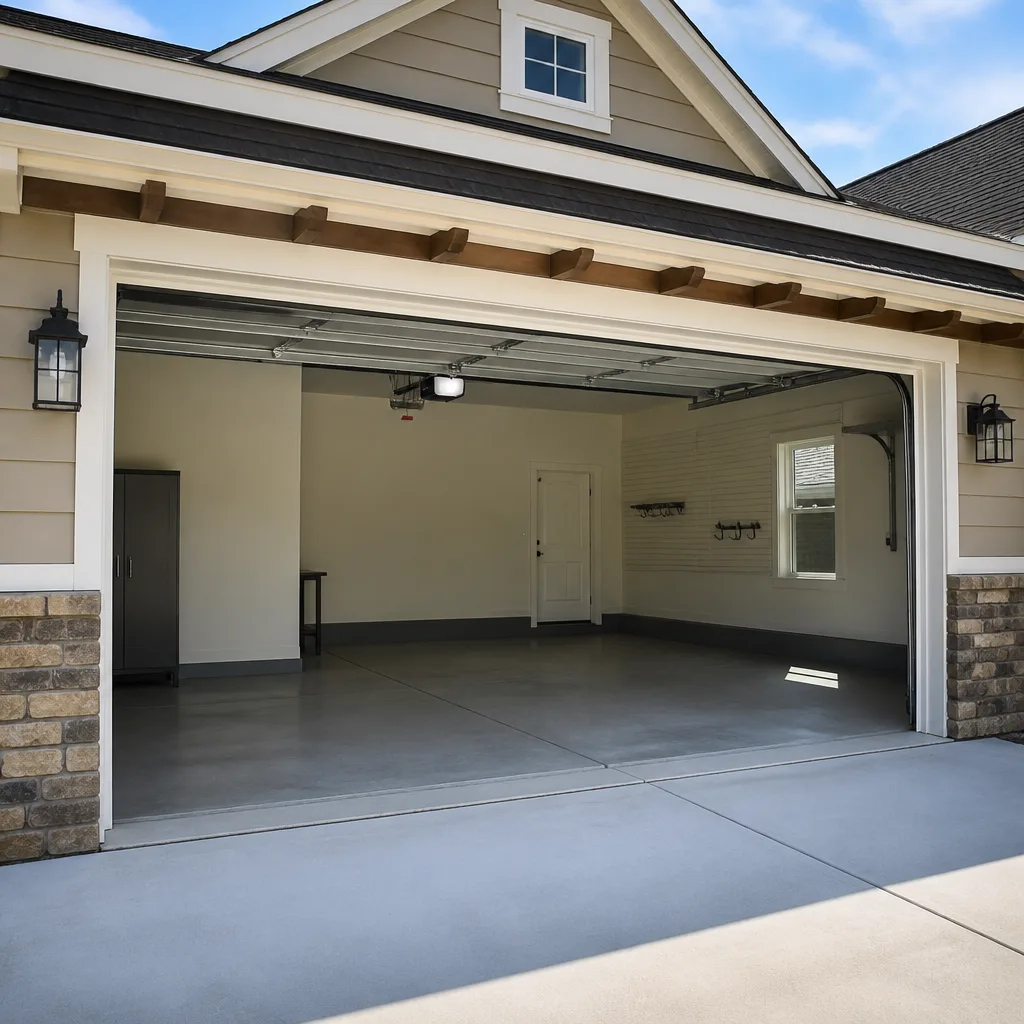 LiftMaster openers
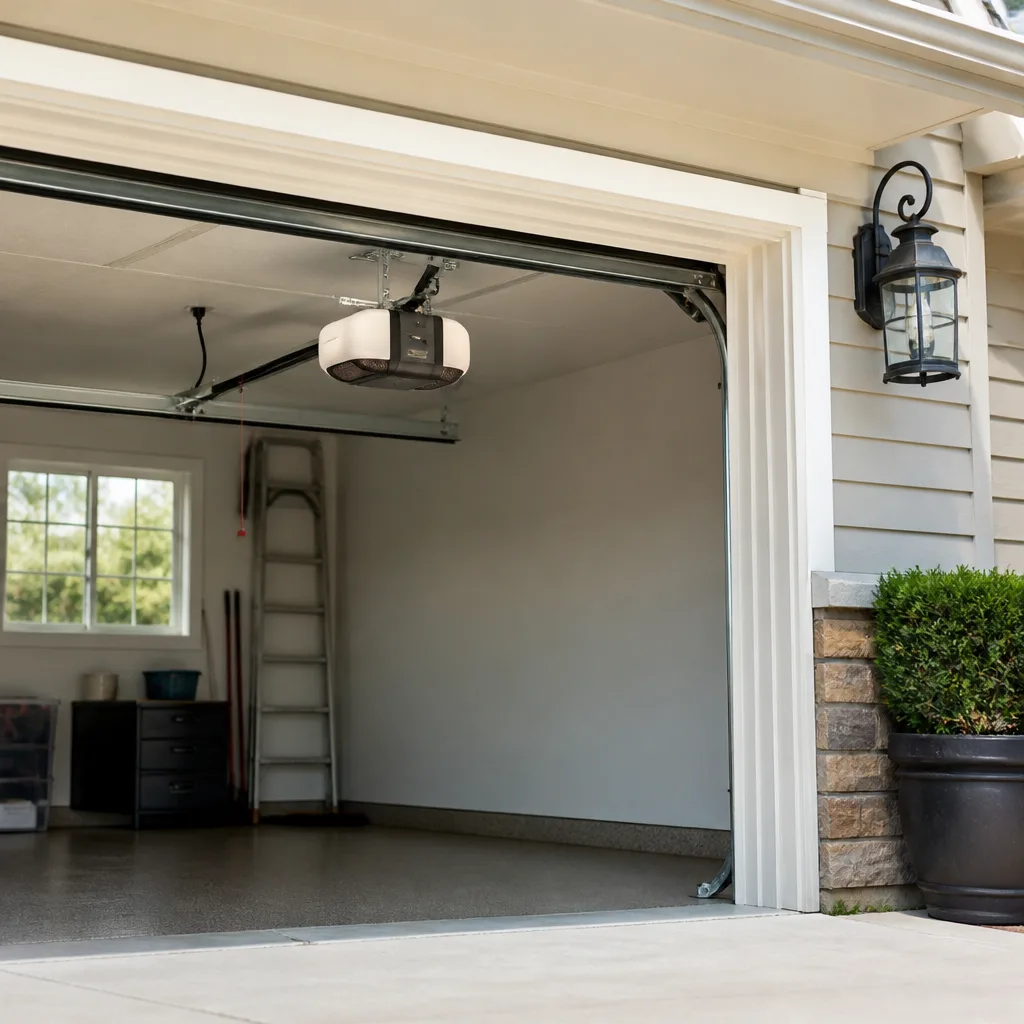 Chamberlain openers
Full 25-point door and opener safety check with every visit - springs, cables, rollers, tracks, and your LiftMaster or Chamberlain opener included
You get a price before we start. It does not change when the pro arrives.
Get your free estimateGarage Door Repair Troubleshooting in Edinburg: Common Problems and How to Fix Them
A door that reverses before it closes is almost never a sensor problem. That’s the first thing we tell homeowners who call us after swapping out their safety sensors and watching the door still bounce back up. The sensors are usually doing exactly what they were built to do: detecting resistance that shouldn’t be there. The resistance itself comes from somewhere else – a torsion spring that’s lost tension in the heat, a track that’s drifted out of alignment, or a roller that’s binding in its hinge. Fixing the sensor first costs money and leaves the real hazard in place. In this guide, we’ll walk you through how to read your door as a connected system, separate spring problems from opener problems from hardware problems, and know which fixes you can safely handle in Edinburg and which ones need a trained technician.
Quick Answer
Most garage door problems in Edinburg trace back to one of three systems: springs and cables (the lifting mechanism), the opener and its safety features (the motor and controls), or the door hardware itself (rollers, hinges, tracks, panels). Troubleshooting correctly means identifying which system is failing before touching anything. Springs and cables are never a DIY job – they hold extreme tension and can cause serious injury. Limit switch adjustments, lubrication, and sensor alignment are safe for homeowners to handle. Everything else deserves a professional diagnosis, especially in South Texas heat, which accelerates spring fatigue and track misalignment faster than most homeowners expect.
Styles & brands we work with
- Raised-panel steel
- Carriage house
- Modern flush
- Full-view glass
- LiftMaster openers
- Chamberlain openers
Table of Contents
- Why Edinburg Heat Changes the Troubleshooting Playbook
- The Symptom-to-Cause Decision Tree
- Spring and Cable Problems: What You Can and Can’t Fix
- Opener Problems: Reading the Motor and Safety System
- Hardware Problems: Tracks, Rollers, and Panels
- The Right Lubricants for Edinburg Summers
- How to Document Symptoms for a Faster Diagnosis
- Safe DIY Fixes vs. Licensed Technician Territory
Why Edinburg Heat Changes the Troubleshooting Playbook
Garage doors are mechanical systems, and every mechanical system responds to temperature. In Edinburg, summer heat pushes that response harder than most of the country ever sees. Torsion springs are steel under constant tension, and steel relaxes as it heats. A spring that holds proper tension at 75 degrees can feel noticeably softer at 100 degrees, which changes how the door balances and how hard the opener has to work. Over a full summer, that cycle of expansion and contraction accelerates fatigue. A spring that might last years in a cooler climate can reach the end of its service life sooner here, and homeowners often notice the first sign as a door that feels heavier or slams down faster than it used to.
Tracks are the other South Texas weak point. Garage doors sit in unconditioned spaces, and the metal tracks that guide them expand and contract with daily temperature swings. Small alignment shifts that would go unnoticed in a stable climate can create binding points where rollers drag, scrape, or jump. When the door is binding, the opener works harder, and the safety system may interpret the resistance as an obstruction – which is exactly why a door can reverse even when nothing is in the way.
Humidity adds a third layer. Edinburg’s summer humidity affects lubricants, speeding their breakdown and letting dust and grit collect on hinges, rollers, and springs. A door that was quiet in spring can start groaning by July, and the noise is often the first clue that the hardware needs attention rather than replacement.
Understanding these local conditions matters when you’re troubleshooting. A problem that looks like an opener failure in a cooler climate might actually be a spring tension issue here. A track that seems fine on a mild morning can bind by mid-afternoon. Reading the door with Edinburg’s climate in mind is the difference between fixing the right thing and chasing symptoms.
The Symptom-to-Cause Decision Tree
Before you touch a wrench or a screwdriver, decide which system is failing. This decision tree is what we walk through on the phone with homeowners, and it separates spring issues from opener issues from hardware issues in a few minutes. The goal isn’t to diagnose the exact part – it’s to rule out whole categories so the next step is clear.
- Does the door feel unusually heavy when you lift it by hand (with the opener disconnected)? If yes, that points to the spring and cable system. A properly balanced door should lift with modest effort and stay open at roughly waist height. If it falls or slams, stop here – springs or cables are the cause, and this is not a DIY repair.
- Does the opener run but the door doesn’t move, or move only partway? A motor that hums or clicks without lifting the door usually means the opener is trying to do work the springs should be doing, or the drive mechanism (chain, belt, or screw) has failed. Either way, the springs need checking before the opener is blamed.
- Does the door reverse immediately or before fully closing, with nothing in its path? If the door is balanced and the opener runs smoothly, the safety system is likely detecting resistance from a binding track, a worn roller, or a misaligned sensor. Check the sensor alignment first, but if the sensors line up and the door still reverses, look at the tracks.
- Does the door move unevenly, scrape, or leave a gap on one side? This is a hardware issue: tracks out of alignment, rollers worn or popped out of their hinges, or a panel that’s bent. These are often safe to inspect yourself but require care when adjusting.
- Does the opener behave erratically – open on its own, respond to the wrong remote, or stop partway? This is an opener control problem: limit switches, travel settings, or a failing logic board. Some of these are adjustable by the homeowner; others need a specialist.
If you can identify which of these five patterns matches your door, you’ve already narrowed the problem to one system. Mention it when you call, and a technician can often bring the right parts. If the answer is “more than one,” that’s a sign the problem has been building – and it’s worth having the whole door evaluated rather than guessing.
Spring and Cable Problems: What You Can and Can’t Fix
Springs do the actual lifting. The opener only guides the door – it never carries the full weight. That’s why spring failure is behind so many problems that look like opener failures. When a torsion spring weakens or breaks, the opener suddenly has to lift a door it was never designed to carry, and the motor either strains, overheats, or gives up. If your opener seems weak or the door feels impossible to lift by hand, springs are the first suspect. Cable problems follow the same rule: a cable that’s frayed, off its drum, or loose is a lifting-system failure, not a hardware inconvenience.
Here’s the bottom line: torsion springs and cables are not a homeowner repair. The tension on a wound torsion spring is enough to cause serious injury, and a spring that releases unexpectedly can damage the door, the tracks, and anything nearby. We don’t publish step-by-step instructions for this work because the risk isn’t worth it. What we will tell you is how to confirm a spring problem so you can stop troubleshooting and call:
- Loud bang from the garage: a torsion spring that breaks usually makes a sharp, startling crack as it releases. If you hear that and the door won’t lift, don’t run the opener. It’s a spring.
- Visible gap in the spring coil: a torsion spring mounted above the door should be one continuous coil. A visible split means it’s broken.
- Door won’t stay up: a door that won’t hold position when lifted by hand (opener disconnected) has lost spring tension or has a cable problem.
- Frayed or slack cables: cables should be taut and evenly wound. Fraying, kinks, or a cable hanging loose are all stop signs.
- Uneven lifting: a door that lifts higher on one side than the other often has a spring or cable problem on the weaker side.
In our experience, Edinburg’s heat means spring fatigue often shows up as a gradual loss of balance rather than a sudden break. The door gets heavier, the opener strains, and the noise grows. If that’s your pattern, don’t wait for the break – have the springs checked. It’s a straightforward repair for a qualified technician, and catching it early protects the opener too. If you need garage door repair, we can diagnose the lifting system and quote the work before anything is touched.
Opener Problems: Reading the Motor and Safety System
The opener is the most misunderstood part of the system. It doesn’t lift the door – it moves the door along a track that the springs balance for it. That’s why a “failing” opener is so often a symptom, not a cause. But openers do fail in their own right, and the electronic and mechanical complexity is why we treat garage door opener repair as its own discipline rather than lumping it into general repair. We work on LiftMaster, Chamberlain, Genie, and other major systems, and the failure patterns differ by brand and by age.
Start by separating the symptoms:
- Motor runs, door doesn’t move: usually a spring or drive issue, not a motor issue. Check the door’s balance first.
- Motor doesn’t run at all: check the power source, the wall switch, and the remote battery before assuming the opener is dead. If the wall switch works but the remote doesn’t, the problem is in the remote or receiver.
- Door reverses during closing: first check the safety sensors. If they’re aligned and the LED indicators are solid, the opener may be reading resistance from the tracks. A binding track mimics an obstruction.
- Door stops at the same point every time: this is usually a limit switch or travel-setting problem. Limit switches tell the opener where “open” and “closed” are, and they can drift, especially on older units that see temperature swings.
- Opener runs on its own or responds to the wrong remote: this is a control or logic issue. On older systems and some Craftsman or Genie models, it can be a failing board or a remote that needs reprogramming. A technician can diagnose it faster than a homeowner can by swapping parts.
Two opener adjustments are generally safe for homeowners: re-engaging the manual release (so the door and opener connect properly again) and adjusting the travel limits according to the owner’s manual. Limit switch adjustment is a matter of following the manual’s procedure, not improvising. But if the manual isn’t clear, or if you’ve adjusted the limits and the door still stops in the wrong place, stop. A misadjusted opener can force the door into a bind, which stresses the tracks and springs. That’s the kind of small error that turns a simple fix into a bigger repair.
Hardware Problems: Tracks, Rollers, and Panels
Hardware problems are the ones homeowners can usually inspect safely, though repairs still require care. Tracks guide the door, rollers ride inside them, and hinges connect the panels. When something’s off, the door tells you through sound and motion.
Tracks. Edinburg’s temperature swings can nudge tracks out of alignment gradually. Look for a track that’s visibly bent, a gap between the track and the door’s path, or a section that’s loosened from its bracket. A track that’s out of alignment makes the door bind, which the opener reads as resistance, which can cause the door to reverse. Small bends near the bottom of the track are common and worth flagging even if the door still works. Don’t force a bent track back into shape with a hammer – you can crack the door panel or worsen the bend.
Rollers. Rollers wear out. A worn roller wobbles in its hinge, scrapes along the track, and produces a rhythmic grinding sound as the door moves. If you see a roller that’s popped out of its hinge or a wheel with visible flat spots, that’s the source of the noise. Rollers are replaceable, and worn rollers are often the entire explanation for a door that suddenly sounds rough.
Panels and hinges. Hinges loosen over time, and a loose hinge lets a panel shift. Look for a hinge with a missing screw or visible gap. Panels themselves can bend from a bump or a misaligned track – a bent panel often shows as a gap along the closing edge or a door that doesn’t meet the floor evenly. Panel damage isn’t always a replacement – some alignment issues can be corrected – but it deserves an inspection rather than a homeowner’s guess.
Weather seal. The bottom seal is a wear item. A hardened or torn seal lets air, dust, and small pests in, and it can make the door appear not to close all the way. In Edinburg’s heat, seals harden faster than in cooler climates. Replacing a bottom seal is a reasonable DIY task on many doors, but if the door won’t meet the floor evenly, the cause is more likely alignment than the seal itself.
The Right Lubricants for Edinburg Summers
Lubrication is the easiest maintenance task homeowners get wrong, and in Edinburg the wrong product breaks down quickly. The problem with common household lubricants is that they either attract dust or thin out in the heat. WD-40, for example, is a solvent and light oil designed for displacing moisture and loosening parts – it’s not a door lubricant, and it evaporates too fast to protect moving parts through a South Texas summer. Cooking spray and motor oil have the same problem from a different angle: they collect grit, and grit on rollers and hinges accelerates wear.
What holds up better in the heat:
- White lithium grease: a good choice for metal-to-metal contact points like hinges and the torsion bar. It stays put at higher temperatures than light oils and doesn’t run off as quickly.
- Silicone spray: the right product for the torsion spring itself and for tracks, because it dries without a sticky film that collects dust. It’s also safe for most weather seals.
- Garage door-specific lubricant: products formulated for door hardware typically combine the right viscosity with a non-greasy finish. If you’re unsure, this is the safest choice.
What to avoid: WD-40 as a routine door lubricant, petroleum jelly, motor oil, and anything with a strong solvent smell that evaporates in minutes. Apply lubricant to hinges, rollers, the torsion bar, and the spring – not to the tracks in heavy amounts, where grease can collect dust and bind rollers. A thin silicone coat on the tracks is enough. In our experience, a door lubricated properly in late spring holds up through July and August much better than one lubricated with whatever’s in the garage. If you’re not sure what product your door needs, ask when you call – it’s the kind of thing we’re happy to talk through.
How to Document Symptoms for a Faster Diagnosis
One of the fastest ways to get the right fix on the first visit is to document what the door is doing before you call. A technician who knows the symptom pattern can often identify the failing system and bring the right parts. A vague description (“the door is broken”) means a diagnosis visit and a second visit for parts – which is why so many homeowners feel like repairs drag on.
Here’s what’s useful to write down:
- The sound. A rhythmic grind, a single pop, a rattle, a click, or a loud bang. Each points to a different part. A pop at the moment the door starts moving suggests hardware; a grinding during travel suggests rollers; a bang with no movement suggests a spring release.
- The timing. Does it happen when the door starts opening, halfway up, at the top, when closing, or at the floor? Timing narrows the cause fast. A door that reverses at exactly the same point each time often has a limit switch or track bind, not a sensor problem.
- The door position. Does it stop evenly, or is one side higher? A door that lifts unevenly points to the lifting system on one side.
- The opener’s response. Does the motor run? Do the lights blink? Does the wall switch behave differently from the remote? A blinking light pattern is often a diagnostic code – the manual will usually tell you what it means.
- Recent changes. Did the problem start after a storm, a power outage, a new remote, or a bump to the tracks? A timeline helps rule out causes.
- What you’ve already tried. If you’ve lubricated, adjusted a limit switch, or replaced sensors, say so. It saves a technician from repeating a step.
When you call, this information is worth more than a description typed from memory. We work on Clopay, Amarr, and other major door systems across Edinburg, and matching the door’s make and symptom to the likely fix is how a first visit becomes a solved problem rather than a starting point. Take a short video on your phone if it helps – a door that reverses is easier to explain in ten seconds of footage than in a paragraph.
Safe DIY Fixes vs. Licensed Technician Territory
Not every problem needs a technician, and pretending otherwise wastes homeowners’ money. But some problems are dangerous, and treating them as DIY is how injuries happen. Here’s the honest split.
Safe for most homeowners:
- Sensor alignment. If the safety sensors are knocked out of line, straightening them so the LED indicators are solid is a five-minute task with no real risk.
- Lubrication. Hinges, rollers, the torsion bar, and the spring, with the right product (see above).
- Limit switch adjustment. Following the owner’s manual, adjusting travel limits is reasonable – but only if the manual is clear and the door is otherwise operating normally.
- Battery and remote checks. Replacing remote batteries and reprogramming remotes is straightforward on most LiftMaster and Chamberlain systems.
- Visual inspection. Looking at springs, cables, tracks, rollers, hinges, and panels for visible damage is safe and useful.
- Bottom seal replacement. On many doors this is a simple swap. Stop if the door isn’t meeting the floor evenly – that’s alignment, not the seal.
Licensed technician territory:
- Torsion spring repair or replacement. Broken or weakened springs are under extreme tension. This is the single most dangerous part of the system.
- Cable replacement. Cables carry the door’s weight along with the springs. A released cable can whip with serious force.
- Track realignment. A track that’s bent or badly out of alignment can drop the door or crack a panel if forced.
- Opener board or motor failure. Diagnosing a failed logic board or motor usually requires swapping known-good parts – the kind of work that pays for itself in avoided misdiagnosis.
- Panel replacement or structural repair. A bent panel or a door that’s off its tracks needs an expert eye.
- Any problem you can’t confidently identify. Guessing is how a small repair becomes a full replacement.
If you’re on the fence, the phone call is free. A technician can often tell from your description whether it’s a DIY fix or a job that needs hands-on work, and if it’s the latter, you’ll get a written estimate before anything is touched.
Common Mistakes to Avoid
- Replacing sensors before checking the springs. A door that reverses is usually detecting real resistance. If the door feels heavy when lifted by hand, the sensors are telling the truth – the springs are the problem, and new sensors won’t fix it.
- Using WD-40 as a door lubricant. It’s a solvent and light oil, not a door grease. In Edinburg’s heat it evaporates quickly and leaves parts unprotected. Use white lithium grease or a silicone spray instead.
- Forcing a bent track back into shape. A hammer and a bent track usually mean a cracked panel or a door that comes off its rollers. If the track is out of alignment, that’s a technician’s call.
- Running the opener repeatedly on a door that won’t lift. If the door feels heavy or won’t move, the opener is straining against a system it can’t carry. Repeated attempts overheat the motor and can burn it out – a repair that costs more than the original problem.
- Ignoring seasonal noise. A door that groans in spring and rattles by summer is telling you something. Small hardware issues caught early stay small; a worn roller ignored becomes a binding track and a strained opener.
- Tightening every hinge and nut you can reach. Over-tightening hardware can distort a panel or crack a hinge. Snug is the goal, not maximum torque.
- Waiting for a spring break before checking balance. In Edinburg heat, springs often weaken gradually before they fail. A door that’s getting harder to lift or sounds heavier for weeks is worth an inspection before it breaks.
See the difference
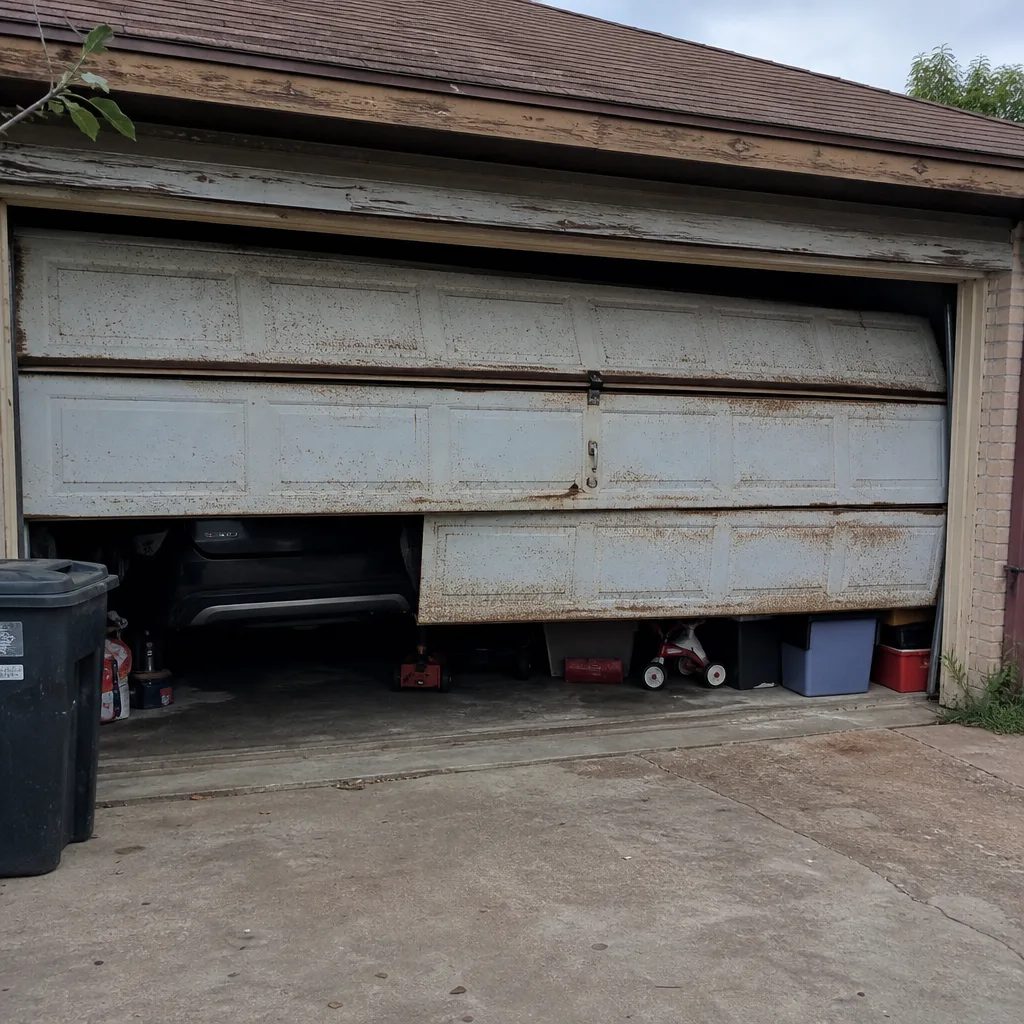 Before
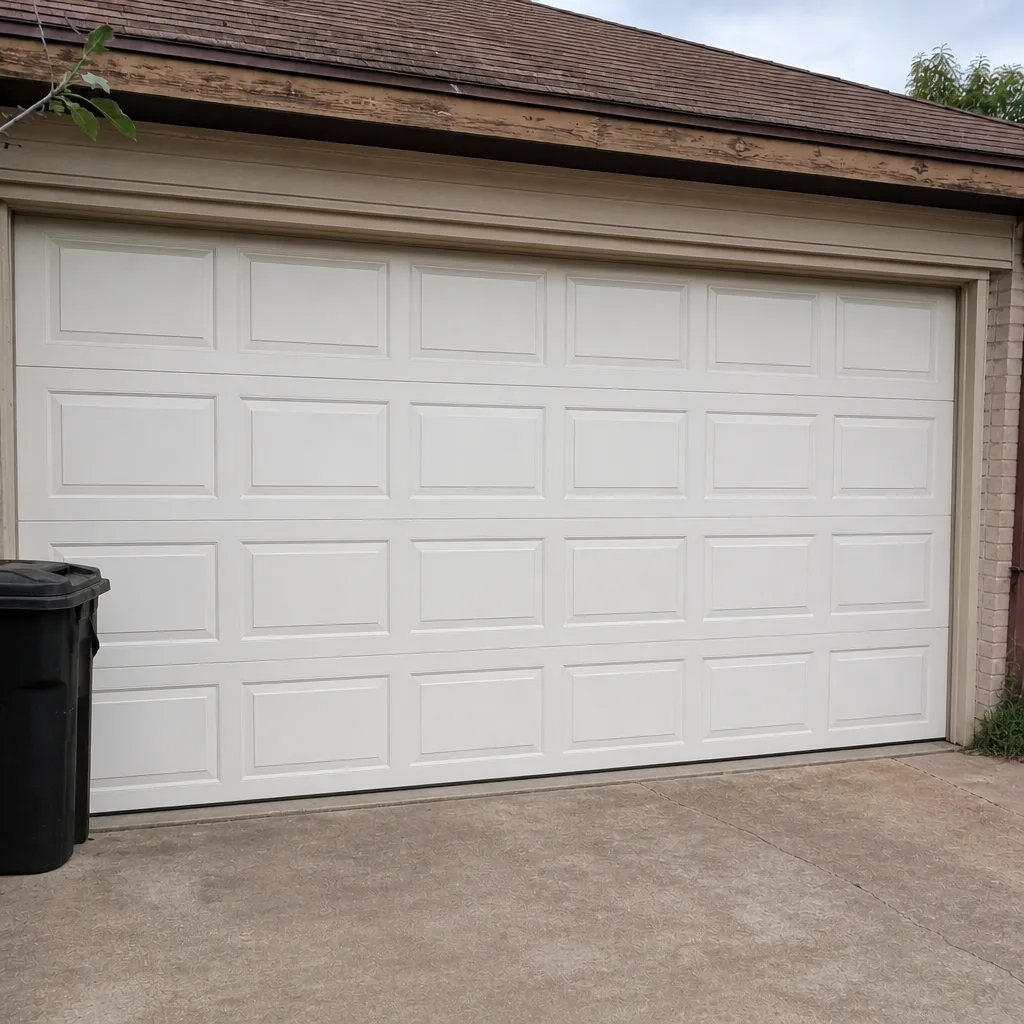 After
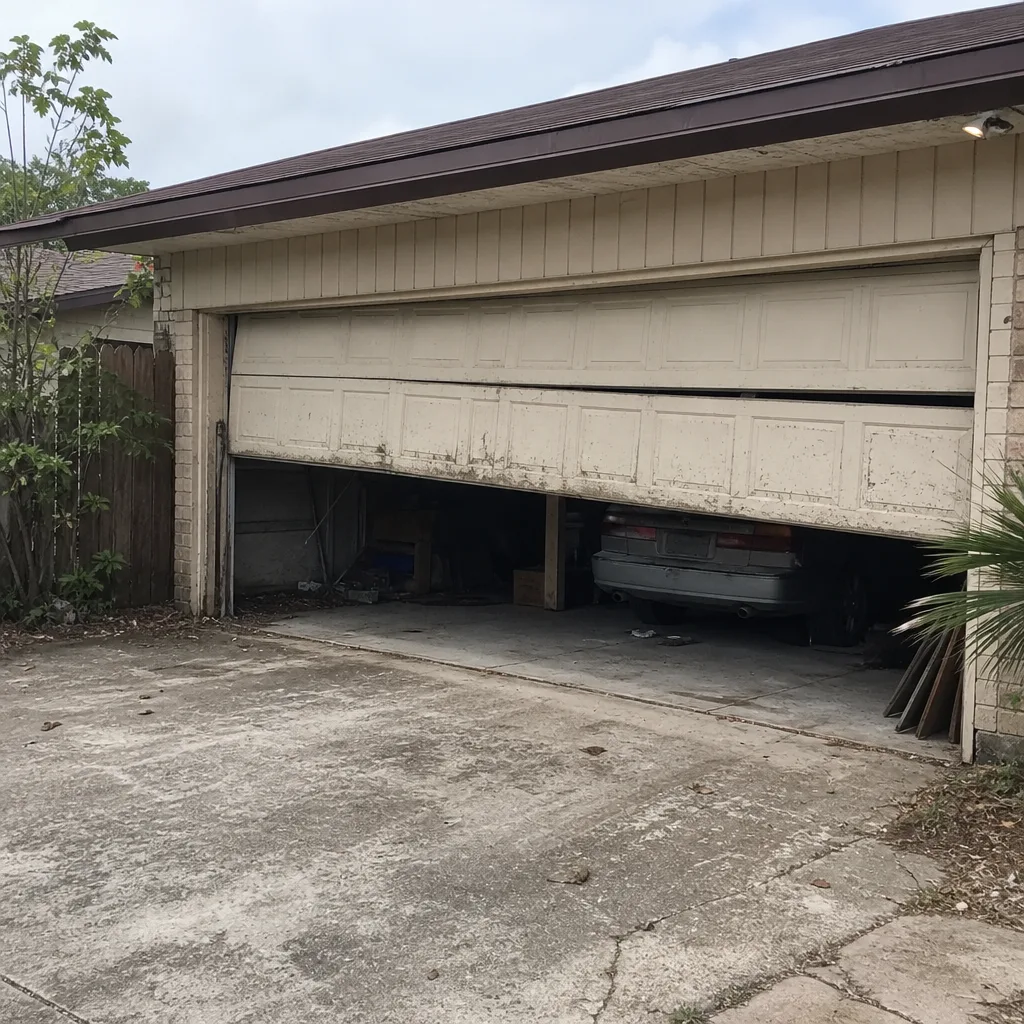 Before
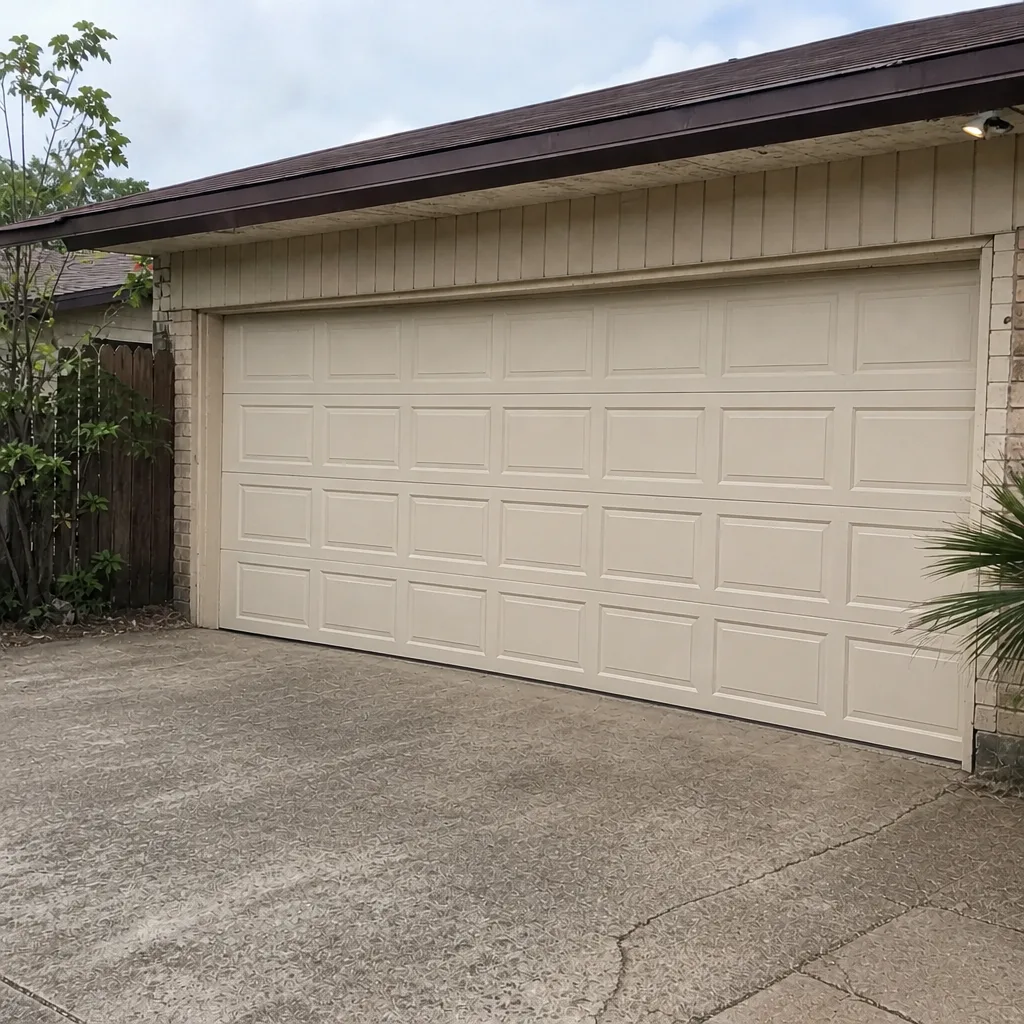 After
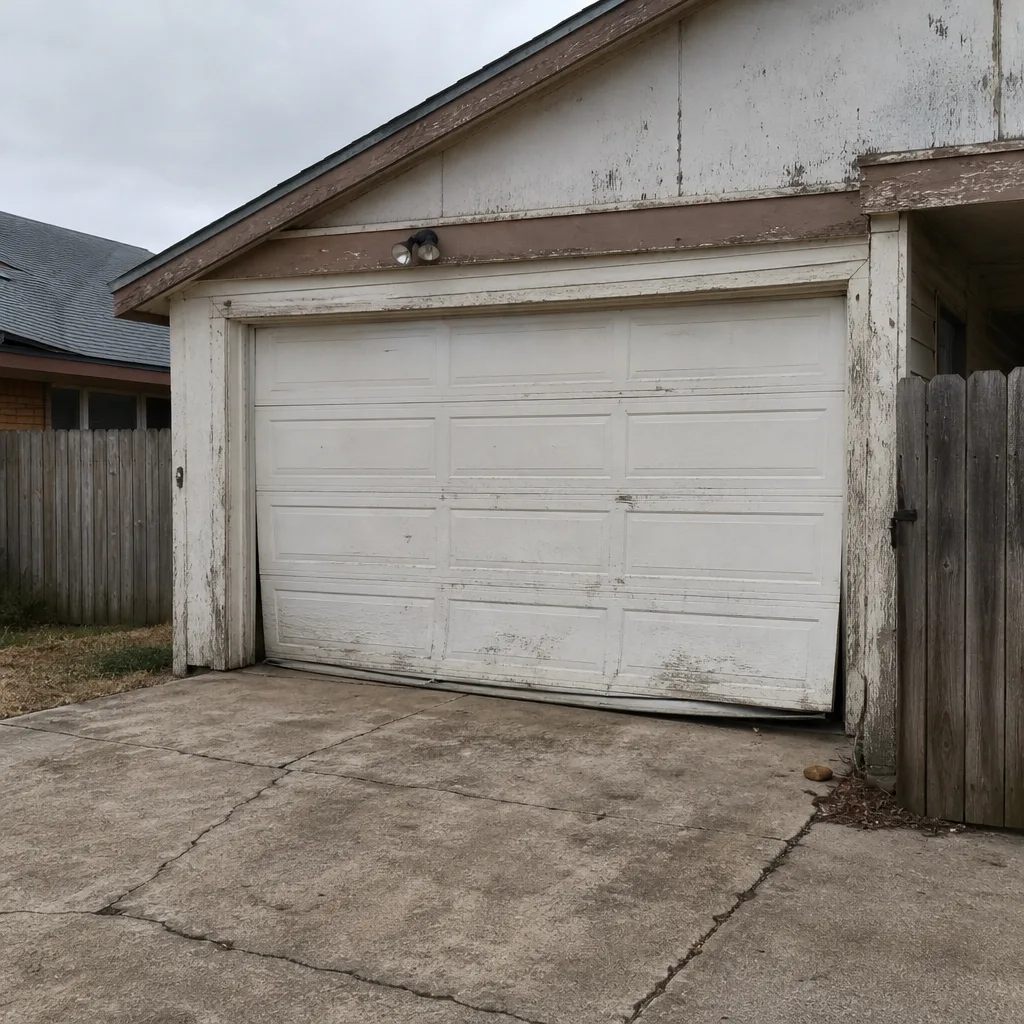 Before
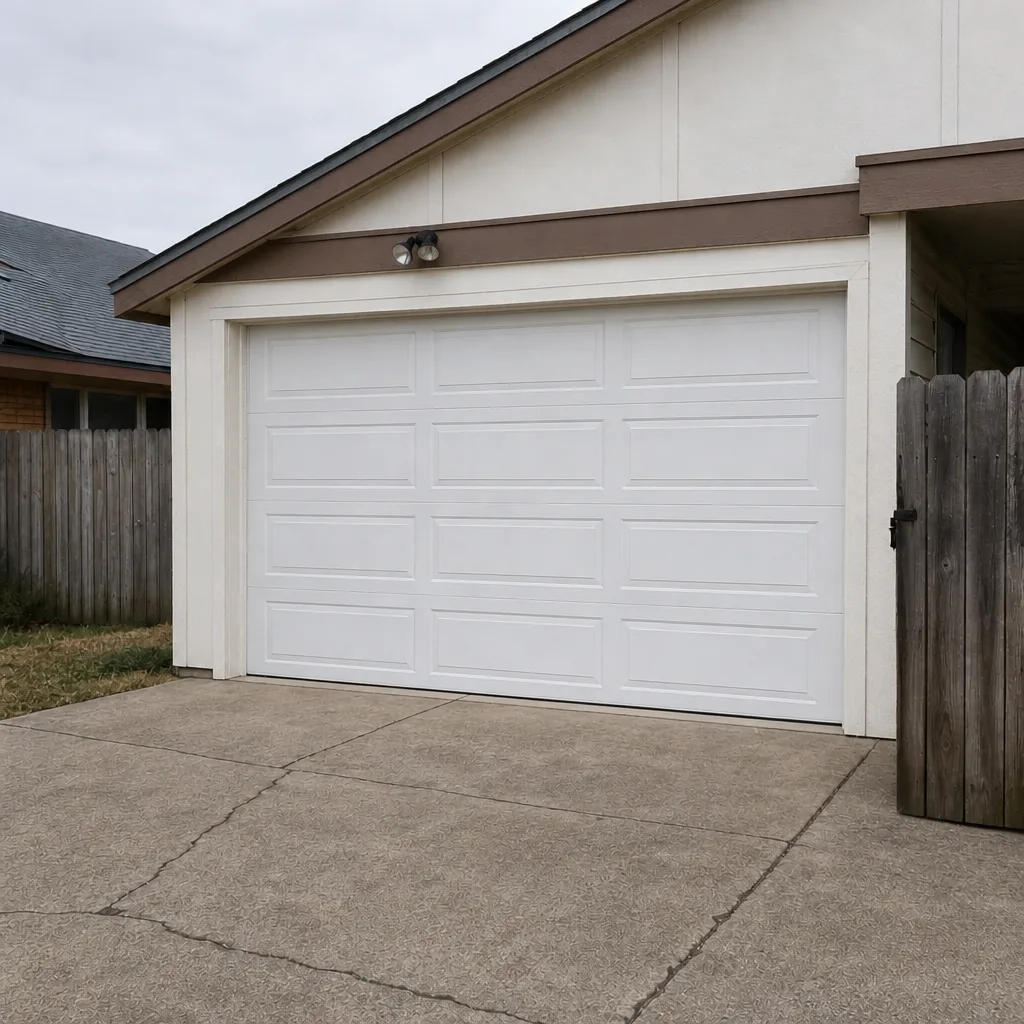 After
When to Call a Professional
Call a professional when the problem involves springs, cables, tracks that are out of alignment, or an opener that’s failed its diagnosis. Call when the door won’t stay up, reverses without an obstruction, or won’t lift at all. Call when you’ve made a safe adjustment and the problem came back – that’s a sign the cause is deeper than the adjustment. And call when the door has done something new or louder than before; a change in behavior is often the earliest signal of a part nearing failure. Our technicians have up to experience, and each job starts with a diagnosis and a free written estimate, so you know what you’re paying before any work begins. Covenant Garage Door Repair offers free estimates in Edinburg – call (866) 389-4630. We answer 24/7.
Frequently Asked Questions
If the sensors are aligned and the LED indicators are solid, the door is likely detecting resistance from a binding track, a worn roller, or a spring that’s lost tension. A door that reverses during closing with nothing in the path is usually a lifting-system or hardware issue that the safety system is correctly detecting. We can diagnose which system is at fault – call (866) 389-4630 for a free estimate.
No. Torsion springs are under extreme tension and can release with enough force to cause serious injury. This isn’t a job for homeowners, and we don’t recommend attempting it. A trained technician has the tools and experience to handle the tension safely. If you suspect a spring problem, stop running the opener and call (866) 389-4630.
Edinburg’s heat and humidity break down lubricants faster than in cooler climates, and metal tracks expand and contract with daily temperature swings. A door that’s quiet in spring can groan by July because rollers are dry, hinges are binding, or the tracks have drifted slightly out of alignment. Proper lubrication with white lithium grease or silicone spray often quiets it – if it doesn’t, the noise may be a sign of a part that needs replacing.
We offer same-day repair when scheduling allows, and we work Sunday through Friday with fast dispatch from 7am to 7pm. Call (866) 389-4630 to check availability – we answer 24/7. A call outside dispatch hours is booked into the next opening, Sunday through Friday, 7am to 7pm.
No. We provide a free written estimate before any work starts, and that estimate sets the price. If we find something unexpected during the diagnosis, we’ll explain what we found and get your approval before doing any additional work. Call (866) 389-4630 for an exact quote – estimates are free.
Yes. Our technicians are qualified, and each job is backed by the accountability our name stands for. We work on all major brands, including Chamberlain, Clopay, and Amarr, so we can diagnose the system you already have rather than sell you a replacement. Call (866) 389-4630 for a free estimate.
The Bottom Line
Troubleshooting a garage door correctly means reading the system, not the symptom. In Edinburg, that means accounting for heat and humidity that weaken springs, drift tracks, and break down lubricants faster than most homeowners expect. Springs and cables are never a DIY repair. Limit switches, lubrication, and sensor alignment are safe to handle. And a door that reverses is usually the safety system doing its job, not failing it. If you document the sound, timing, and position of the problem before you call, you’ll get a faster diagnosis and a more accurate quote on the first visit. Our name means we stand behind it, and garage doors are all we do – whether it’s a repair or a full installation. Call (866) 389-4630 for a free estimate. We answer 24/7. Fast dispatch from 7am to 7pm, Sunday through Friday.
For more on our services and coverage, visit Covenant Garage Door Repair.
Written by the team at Covenant Garage Door Repair.