
Last updated November 15, 2026
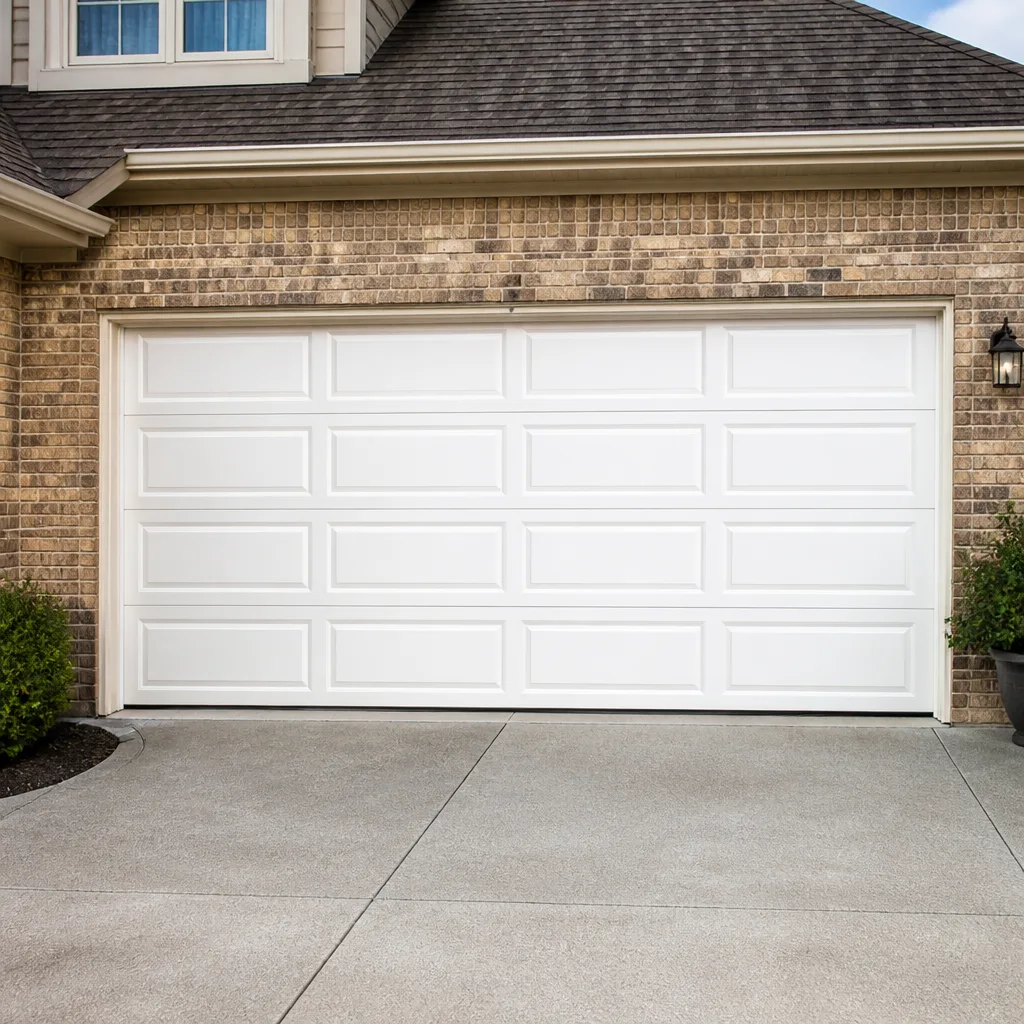 Raised-panel steel
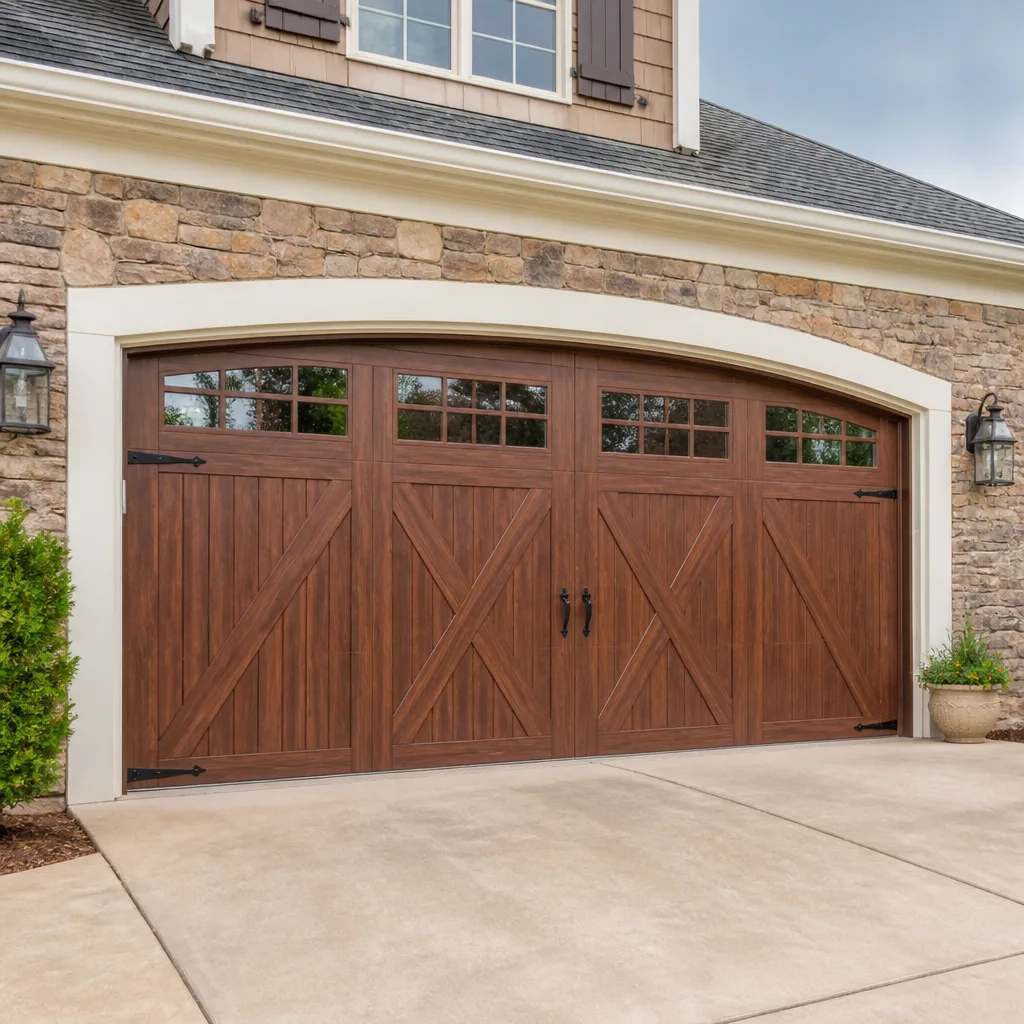 Carriage house
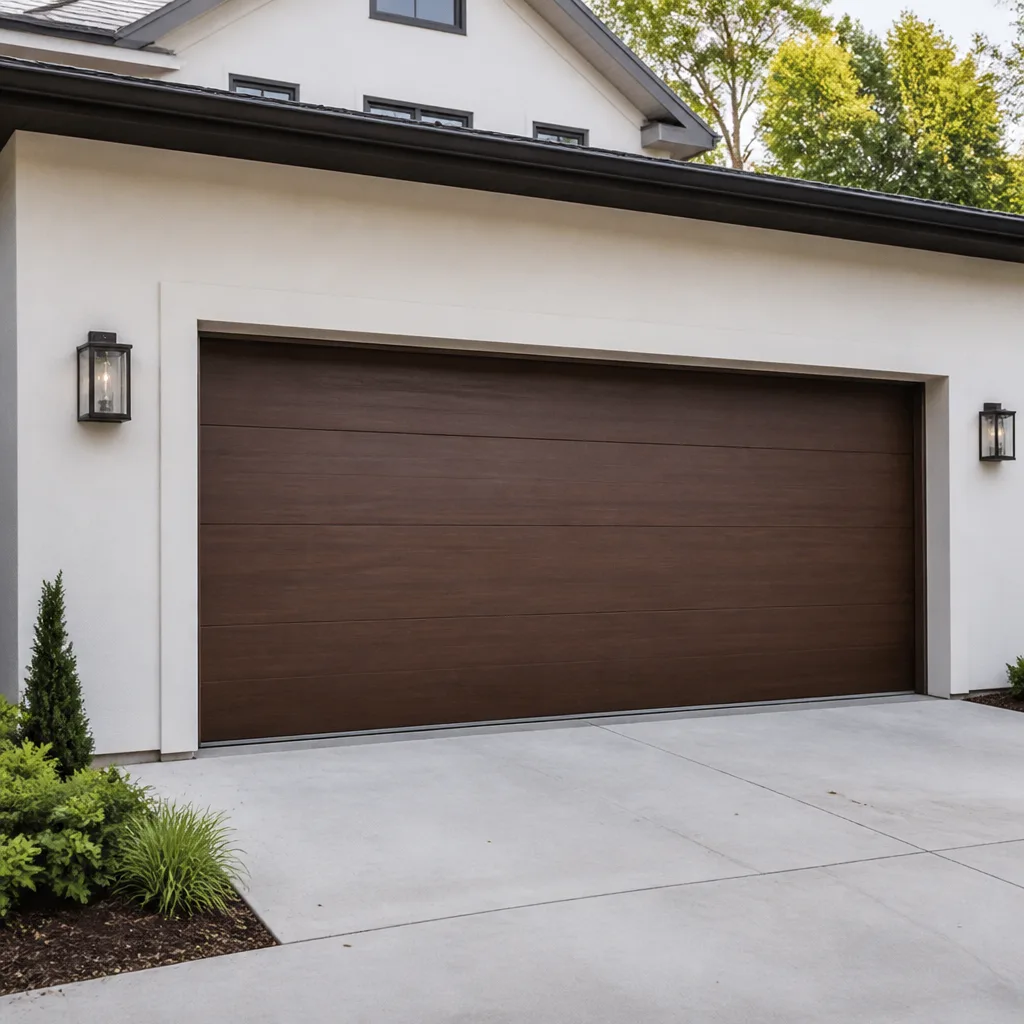 Modern flush
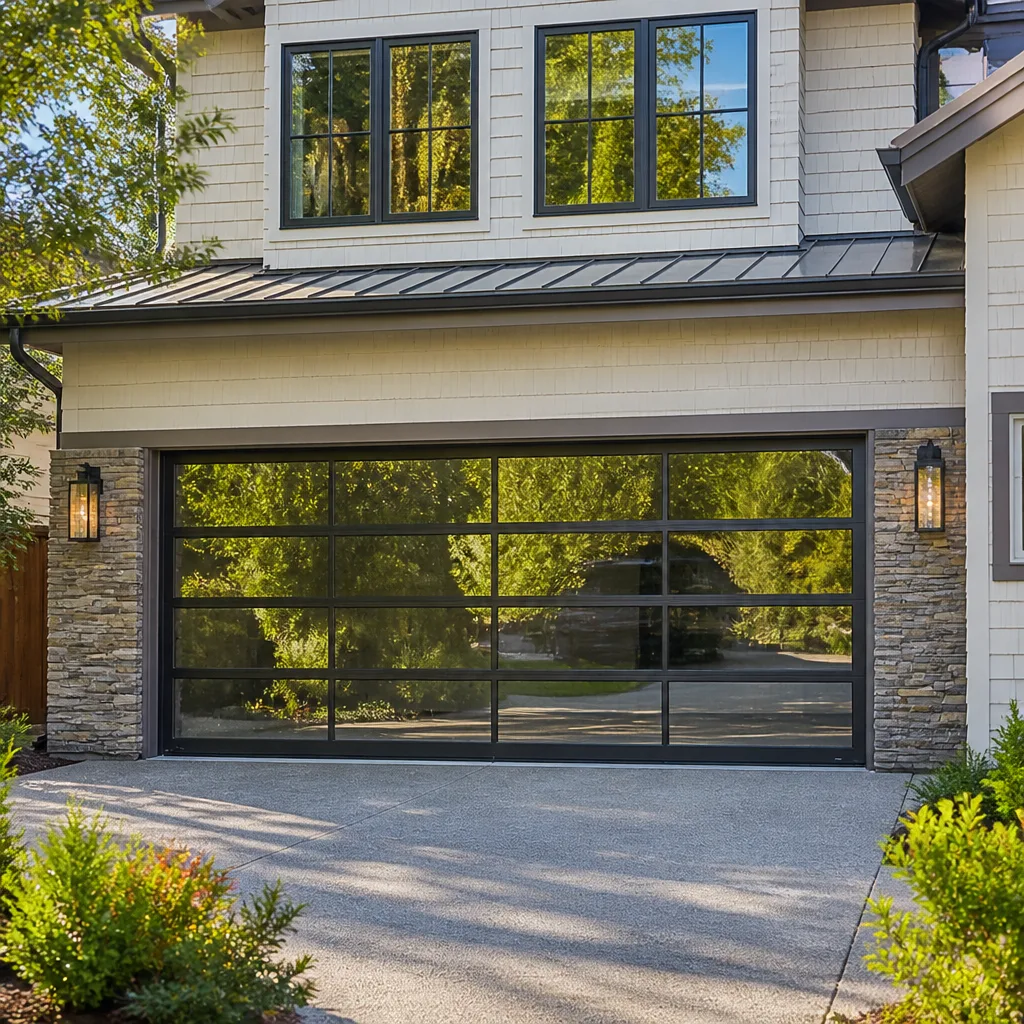 Full-view glass
 LiftMaster openers
 Chamberlain openers
Full 25-point door and opener safety check with every visit - springs, cables, rollers, tracks, and your LiftMaster or Chamberlain opener included
You get a price before we start. It does not change when the pro arrives.
Get your free estimateGarage Door Repair Maintenance Checklist for Edinburg Homeowners
Most garage door maintenance checklists are written for a climate that doesn’t exist here. They tell you to lubricate the chain, tighten the bolts, and hose down the tracks, then they stop. But an Edinburg garage door lives a different life than a door in Ohio or Oregon. It bakes through summers that regularly cross 100°F, it swallows dust blown up from the brush country, and it sits through the occasional cold front that drops fast and leaves you reaching for a jacket. The parts that fail first here aren’t the same parts that fail first somewhere else, and the order in which you check them matters as much as the list itself. This guide walks you through a maintenance sequence built around what actually goes wrong on Edinburg doors, ranked by how often we see it fail.
Quick Answer
The single most valuable garage door maintenance step for Edinburg homeowners is inspecting the bottom seal first, because heat and dry air crack it faster here than lubrication schedules ever prevent. Follow that with a monthly spring balance check, seasonal lubricant application using high-temperature silicone, and a quarterly safety-reverse test on your opener. A full professional tune-up twice a year – once before peak summer and once after the dust season – catches the problems that DIY checks miss.
Styles & brands we work with
- Raised-panel steel
- Carriage house
- Modern flush
- Full-view glass
- LiftMaster openers
- Chamberlain openers
Table of Contents
- Why Edinburg Doors Fail Differently
- Step 1: The Bottom Seal and Weatherstrip
- Step 2: Spring Balance Test
- Step 3: Lubrication That Survives the Heat
- Step 4: Opener Force Sensitivity in Extreme Heat
- The Seasonal Calendar for Edinburg
- The 10-Minute Visual Inspection
- Common Mistakes to Avoid
- When to Call a Professional
- Frequently Asked Questions
Why Edinburg Doors Fail Differently
A garage door in Edinburg operates under conditions that stress components in a predictable order. The thermal load alone is significant: a west-facing metal door can reach surface temperatures hot enough to soften rubber and stress metal expansion joints. That’s why the failure sequence here starts at the bottom.
Here’s the pattern we see most often, in order of frequency:
- Bottom seal and side weatherstrip – dries, cracks, and pulls away from the door frame first.
- Rollers and hinges – dust and grit work into the moving parts and grind the bearings down.
- Springs – cycle fatigue accelerates in heat, and springs here tend to go earlier than the manufacturer’s stated cycle count.
- Opener force settings – drift as heat expands the door panels and changes the weight the opener sees.
- Track alignment – affected by expansion and contraction, especially on doors with long horizontal runs.
- Panel finish – sun-exposed panels on Clopay and Amarr doors fade and chalk over time, which is cosmetic but tells you the door is taking a beating.
Notice what’s not at the top of that list: lubrication. Most homeowners reach for the grease gun first because every checklist they’ve read says so. But a greased track in a dusty climate does more harm than good, and a well-lubricated door with a cracked seal still lets in dust, pests, and hot air. In our experience working on Covenant Garage Door Repair jobs across the Rio Grande Valley, the door that gets a seal check every month and a lubrication twice a year outlasts the door that gets lubricated monthly and never checked for sealing.
Step 1: The Bottom Seal and Weatherstrip
The bottom seal is the rubber or vinyl strip along the base of your door that meets the garage floor. It’s your first line of defense against dust, pests, rainwater, and the heat that pours in through a loose fit. In Edinburg, it dries out and cracks faster than almost any other part of the door system, and it’s the maintenance item most homeowners skip entirely.
How to Inspect It
- Close the door fully and stand inside the garage with the lights off.
- Look along the base of the door for daylight showing under the seal at any point.
- Run your hand along the seal’s length and feel for stiff spots, cracks, or separation from the retainer.
- Check the side weatherstrips (the strips along the door frame) for the same cracking and shrinkage.
- Look at the corners where the bottom seal meets the side strips. Gaps here are the most common entry point.
If you see light, feel cracks, or notice the seal has stiffened and pulled away, it’s time to replace it. A cracked seal lets in the fine caliche dust that coats everything in Edinburg garages, and it’s the leading pathway for insects and small rodents looking for shade. Replacing weatherstrip is a simple task that most homeowners can handle on their own, but if the retainer itself is bent or loose, that’s a job for a professional.
Why This Comes First
Because a compromised seal changes what the rest of your maintenance means. If dust is blowing in, it’s working into your rollers and hinges and accelerating wear on everything else. Seal the door first and the rest of your maintenance effort goes further. For a more detailed look at the full scope of garage door repair, the problems caused by a failing seal are among the most common calls we get from Edinburg homeowners.
Step 2: Spring Balance Test
Your springs carry most of the door’s weight. When they start to weaken, the door gets heavy, the opener strains, and the whole system works harder than it should. A spring balance test tells you whether you’re 30 days away from a problem or six months away, and it’s the one DIY diagnostic worth doing every month.
The Safe Way to Test Balance
This test never involves touching the springs themselves. High-tension springs and the cables attached to them are under enormous force, and they can cause serious injury if handled without training. If you’re ever tempted to adjust a spring yourself, stop and call a professional.
Here’s the safe version:
- Close the garage door completely.
- Pull the red emergency release cord to disconnect the door from the opener (do this with the door closed so it doesn’t fall).
- Lift the door by hand to about waist height and let go.
- A properly balanced door should hold its position or drift very slowly. If it drops fast or won’t stay up, the springs are losing tension.
- Reconnect the opener by pushing the door up until it clicks back into the carriage.
If the door falls quickly, don’t run it with the opener – that’s how motors burn out and gears strip. Call for service. If the door holds firmly, you’re in good shape on springs for now, and you can check again next month. Every month you get this result is another month you don’t need a spring repair.
The heat in Edinburg is hard on torsion springs. Metal fatigues faster when it cycles through high temperatures, and the door on a south-facing wall gets the worst of it. Expect springs to need replacement more frequently here than in cooler parts of Texas. A balance test every month gives you warning before the spring breaks and you’re stuck with a door that won’t open.
Step 3: Lubrication That Survives the Heat
What you put on your door matters as much as how often you put it on. Standard white lithium grease and general-purpose WD-40 are the two products homeowners most commonly reach for, and both cause problems in Edinburg’s climate. White lithium grease breaks down and runs at temperatures above 100°F, leaving a sticky residue that traps dust and grit. Regular WD-40 is a solvent, not a lubricant, and it evaporates within days.
What Actually Holds Up
The right lubricant for a garage door in this climate is a high-temperature silicone spray, or a synthetic garage door lubricant labeled for high-heat conditions. Silicone stays slippery at temperatures that thin petroleum greases, and it doesn’t attract dust the way heavier products do. Some technicians prefer a dry PTFE spray on hinges and rollers, which leaves a non-sticky film that works well in dusty environments.
Here’s what to lubricate and what to leave alone:
- Hinges – one short spray at each hinge pivot point, wipe off any excess.
- Rollers – a light spray on the metal stem, not the wheel itself.
- Bearing plates – a small amount at the center of each bracket.
- Torsion spring coils – a light coat, applied without touching the spring; spray from a distance.
- Opener chain or screw – the chain on a LiftMaster or Chamberlain unit takes a low-viscosity chain lubricant; a screw-drive opener needs a light grease specifically made for screw drives.
- Tracks – nothing. Tracks should stay clean and dry. Lubricant on a track collects dust and grit and gives the rollers a surface to grind.
Twice a year is the right frequency in Edinburg – once in early spring before the heat sets in, and once in late fall after the dust season has passed. That’s enough to keep the moving parts protected without creating a grit trap.
Step 4: Opener Force Sensitivity in Extreme Heat
Your opener’s force sensitivity setting determines how much resistance it will push through before reversing. In Edinburg, this setting drifts more than homeowners realize, because heat expands the door panels, changes the track dimensions slightly, and alters the effective weight of the door. An opener that was calibrated in January can behave differently by July.
How to Verify Without Tools
You don’t need a gauge for the basic test. Here’s how to check it safely:
- With the door open and the opener engaged, place a roll of paper towels or a small cardboard box on the floor in the door’s path.
- Close the door using the wall button or remote.
- The door should reverse immediately on contact with the object.
- If it presses down before reversing, the force setting is too high. If it reverses before touching the object, it’s too low.
Also test the photo-eye sensors by waving an object in front of them with the door closing. If the door doesn’t reverse, the sensors need adjustment or cleaning. On a Genie or Craftsman unit, the sensor lenses get dusty fast in Edinburg, so a monthly wipe with a cloth is worth the ten seconds.
Adjusting the force settings themselves is usually done with a small screw or through the opener’s menu, depending on the model. Most garage door opener repair calls we get for “the door goes down and comes back up” or “the door won’t close all the way” trace back to a force setting that’s drifted out of range. When the calibration involves anything more than the standard adjustment, or if you’re not sure which dial controls force on your model, call a technician who works on that brand.
The Seasonal Calendar for Edinburg
Edinburg’s weather patterns are distinct enough that a general “spring and fall maintenance” schedule doesn’t match how a door here actually ages. Here’s a calendar built around the local climate.
Peak Summer (June through September)
- Check the bottom seal monthly – heat cracks it fastest in this window.
- Test the spring balance monthly – heat weakens springs and you want to know before one breaks.
- Wipe and test photo-eye sensors monthly.
- Listen for new sounds: a rattling chain, a scraping sound, a strained motor hum. Noise is how doors tell you something’s changing.
After a Dust Storm
Late spring and early summer bring the biggest dust events in the Rio Grande Valley. After one, do the following:
- Wipe down the tracks with a dry cloth – not a lubricated one.
- Blow off the opener housing and the photo-eye lenses with compressed air or a soft brush.
- Re-inspect the bottom seal for grit packed into the groove.
- Run the door through a full open-close cycle and listen for new friction sounds.
After a Rare Cold Front
Cold snaps in this part of Texas don’t last, but they do happen. After a cold front, the door’s metal panels contract and the balance can shift. Run the balance test again. If the door has become noticeably heavier or lighter, the springs are telling you something, and it’s worth having them checked before summer ramps up the cycles.
The 10-Minute Visual Inspection
This is the walk-around you can do once a month with no tools and no risk. It covers the things a professional looks at when they first arrive on a job, and it’s a good way to catch a problem before it turns into a breakdown.
- The door from inside, lights off. Light showing through means the seal or panel joints are failing.
- The tracks from top to bottom. Look for dents, bends, and debris. Tracks should look like clean parallel rails.
- The hinges. Check for loose screws and bent plates. Snug screws that have backed out are a common find.
- The rollers. Look at the wheels in the tracks. Worn rollers look flat-sided or cracked; good ones look round and clean.
- The springs. A torsion spring shows a visible gap in the coil when it breaks. Extension springs should have safety cables running through them – if you don’t see them, they’re missing.
- The cables. Look for frayed strands, kinks, or slack. Any cable that looks damaged needs a professional eye.
- The opener housing. Listen while the door runs; a healthy opener is fairly quiet.
- The wall button and remotes. Confirm all remotes work and the wall button responds.
- The door’s finish. Look for rust spots, bubbling paint, or chalky residue, which on a Wayne Dalton or Craftsman door can indicate the finish is ready for renewal.
This walk-around doesn’t replace a professional tune-up, but it catches the obvious problems. Combined with the balance test and seal inspection, it covers about 70% of what goes wrong before it goes wrong.
Common Mistakes to Avoid
- Greasing the tracks. Lubricant on the tracks collects Edinburg’s fine dust and turns into an abrasive paste. Keep the rails clean and dry; lubricate the rollers and hinges only.
- Using WD-40 as a lubricant. The standard WD-40 formula is a solvent and will strip the light oil off your moving parts. If you want to lubricate, use a dedicated silicone or PTFE product.
- Ignoring the bottom seal because the rest of the door looks fine. The seal is the part that fails first here, and it takes the rest of the door down with it by letting in dust and grit. It’s the cheapest part to replace and the most important one to check.
- Testing the balance by grabbing the springs. Don’t. Springs and cables are under load and the risk of injury is real. The pull-the-cord, lift-the-door method is the only safe test.
- Adjusting the opener force to compensate for a heavy door. If the door has gotten heavier, the springs are failing. Turning up the force setting on the opener burns out the motor and doesn’t fix the spring problem.
- Calling a general handyman for opener issues. Garage door openers are a specialized piece of equipment with brand-specific calibration. A general handyman who rarely works on LiftMaster or Chamberlain units can make a simple fix into a bigger job by misadjusting a force setting or replacing the wrong part.
- Waiting for a spring to break before replacing it. In Edinburg, springs fatigue faster than in cooler climates, and a broken spring leaves you with a door that won’t open and a car that won’t get out of the garage. The balance test is the early warning; use it.
When to Call a Professional
Some maintenance tasks you can handle yourself. Others, you shouldn’t try. Call a professional when the balance test shows a fast-dropping door, when you find a broken spring or a damaged cable, when the opener reverses inconsistently or won’t respond to the wall button, or when a track is bent or the door is off its rails. Also call when the bottom seal replacement involves a bent retainer or a door that’s misaligned. If you’ve done the steps in this guide and you’re still hearing new noises or seeing gaps, it’s time for a proper look. Covenant Garage Door Repair offers free estimates in Edinburg: call (866) 389-4630. We answer 24/7, and we schedule fast dispatch from 7am to 7pm, Sunday through Friday. We work on systems from Clopay, Amarr, Wayne Dalton, and Craftsman, among others, and every job carries a written price you approve before we start.
Frequently Asked Questions
Twice a year is the right frequency here. Once before peak summer and once after the dust season. Any more often and you’ll be collecting grit on the moving parts; any less and the rollers and hinges start wearing faster than they should.
The bottom seal. Heat and dry air crack it faster here than in most of Texas, and once it’s failing, dust and pests get in and accelerate wear on everything else. Check it monthly, and replace it as soon as you see cracking. Call (866) 389-4630 for a free estimate if the retainer is damaged.
Yes, with the pull-cord and lift method described above. Disconnect the door with the emergency release (with the door closed), lift to waist height, and let go. If it holds, the springs are fine; if it drops, they need attention. Never touch the springs or cables directly; that’s a job for a trained technician.
Heat expands the door panels, alters the track dimensions slightly, and changes the effective weight of the door, which means your force settings drift out of calibration. A quick object-in-the-path test tells you if it needs adjustment. If it keeps happening, call us for garage door opener repair and we’ll recalibrate it to your specific model.
Wipe the tracks down with a dry cloth, blow off the opener housing and the photo-eye lenses, and re-check the bottom seal for grit. Then run the door through a full cycle and listen for new friction sounds. Dust events are one of the biggest causes of call-outs in Edinburg, and a quick clean-up after each one heads off most of them.
If the balance test fails, if you see a broken or stretched spring, if the cables look frayed, or if the opener reverses inconsistently, it’s time. The right fix is what we aim for, not the fastest upsell. Call (866) 389-4630 for a free estimate in Edinburg.
See the difference
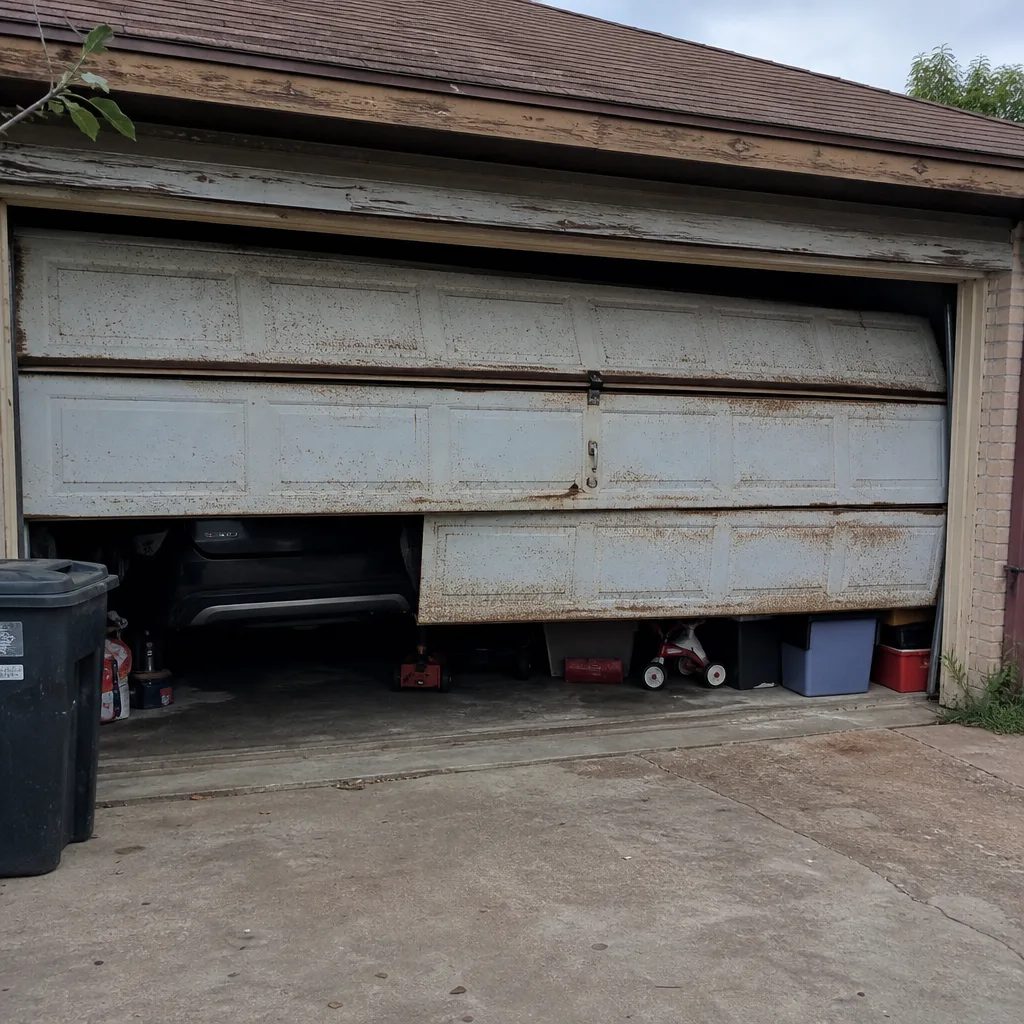 Before
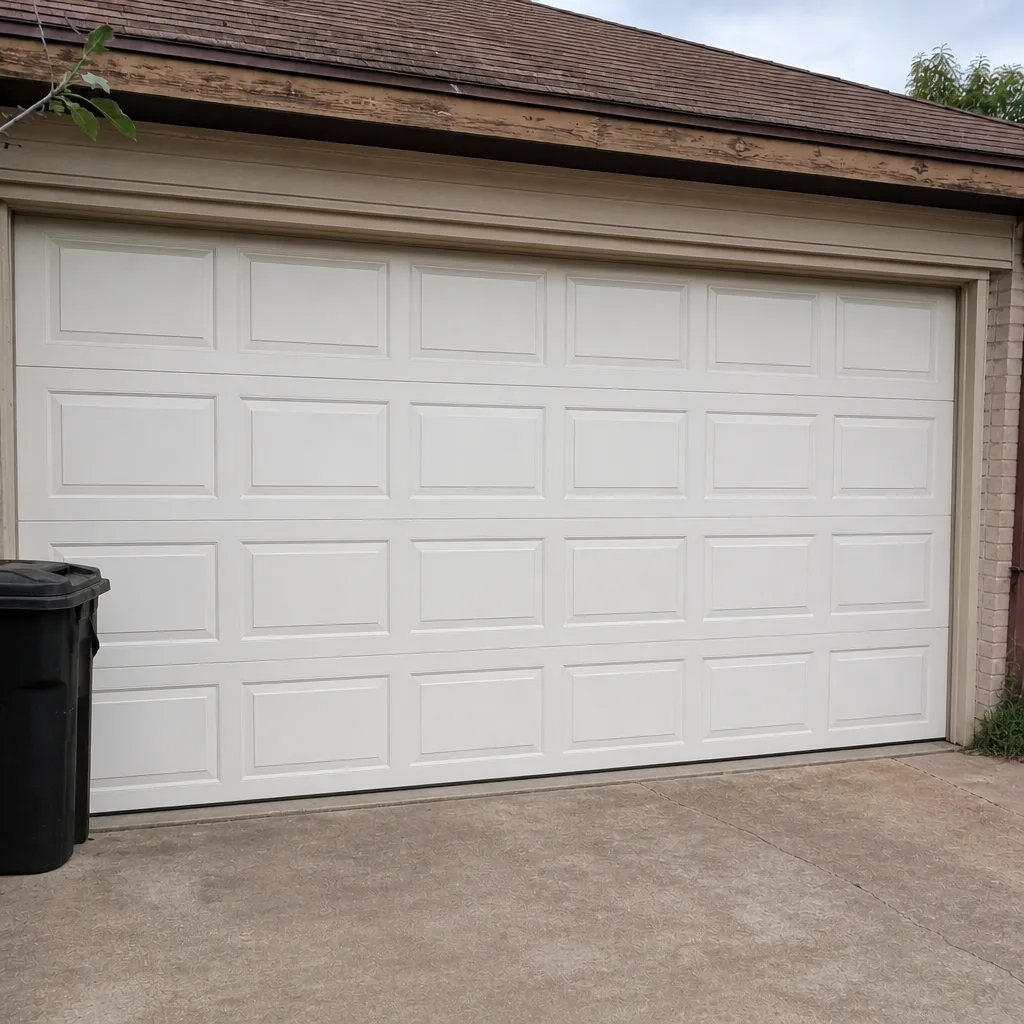 After
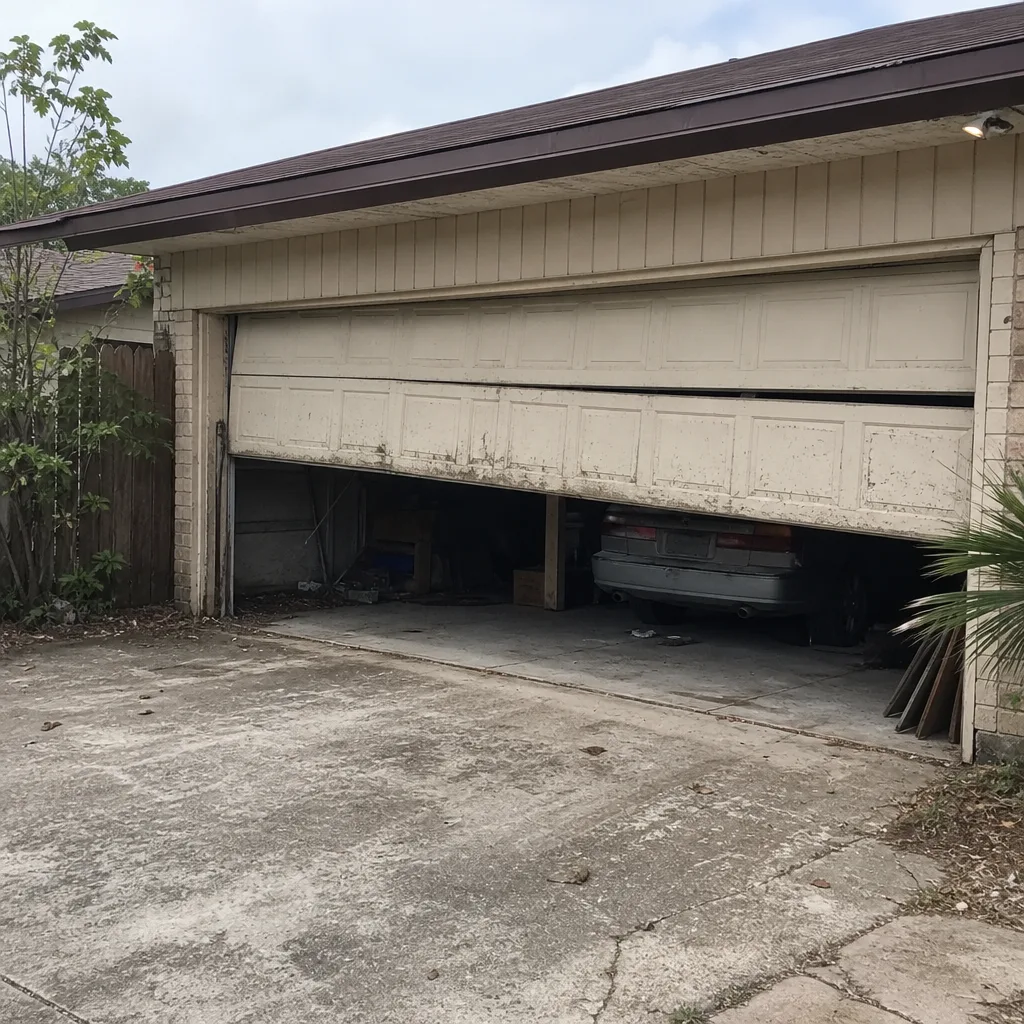 Before
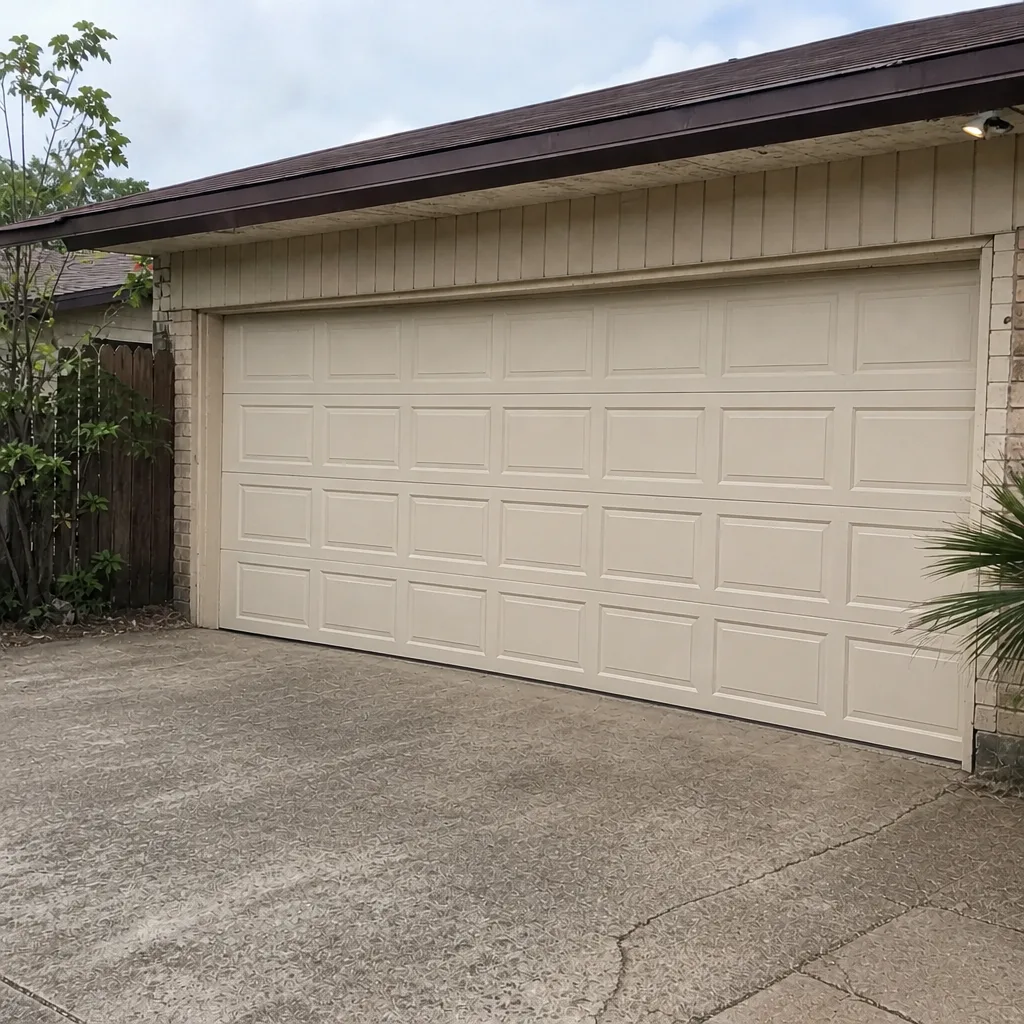 After
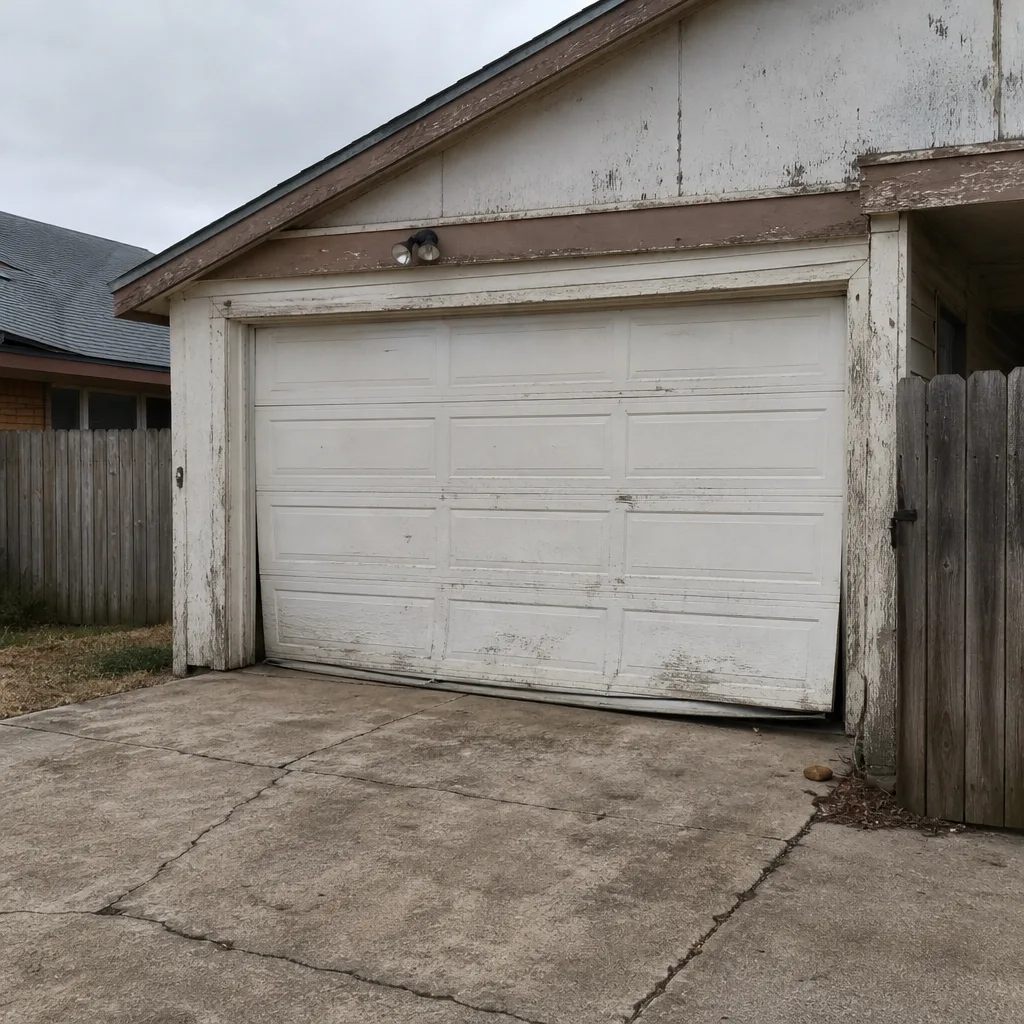 Before
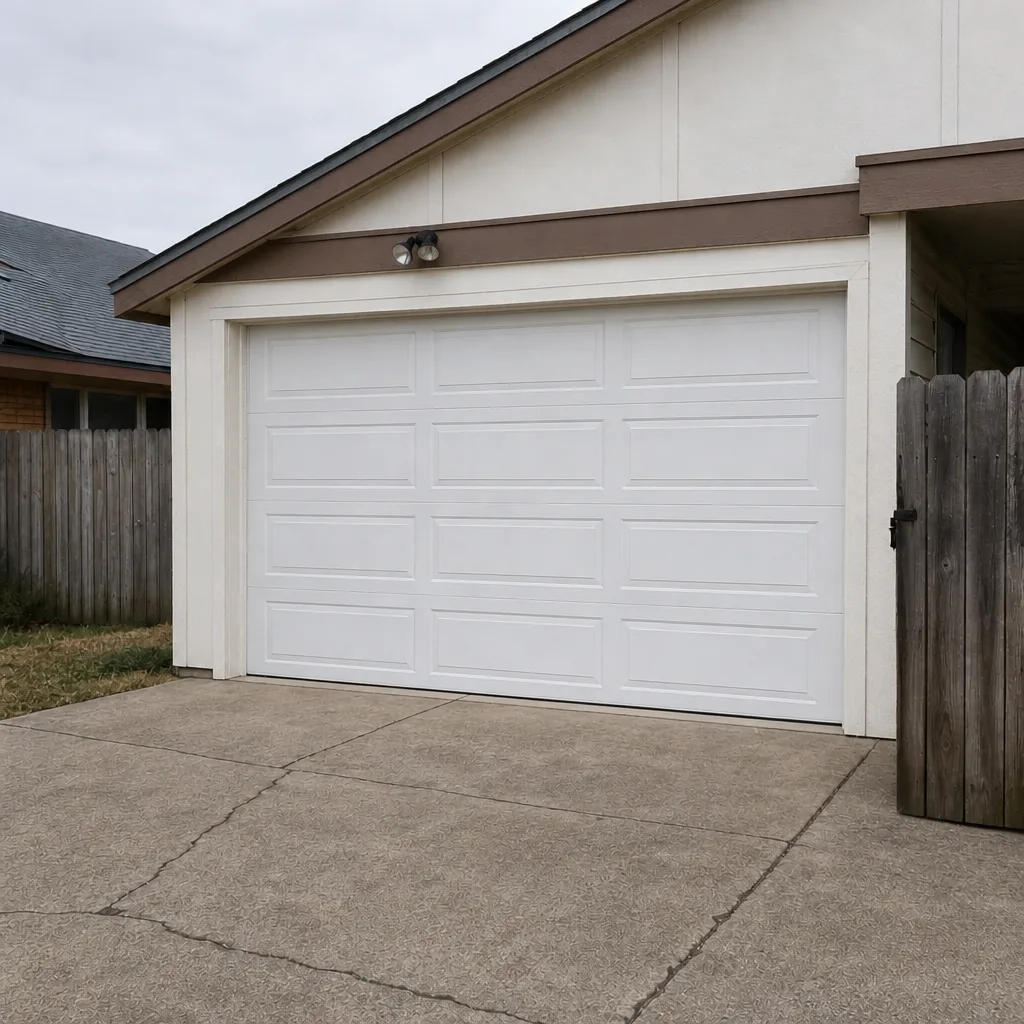 After
The Bottom Line
The order of this checklist matters more than the length of it. In Edinburg, the bottom seal fails first, springs fatigue faster in the heat, and opener force settings drift through the summer. Get those three items on your monthly routine and add a full lubrication twice a year. Keep the tracks dry, use silicone or PTFE instead of grease, and do the balance test with the cord-and-lift method – never by hand on the springs. That sequence covers what actually goes wrong here, and it turns a two-hour maintenance schedule into a fifteen-minute one that catches the problems while they’re still cheap to fix. If you’d rather have a professional do the check, Covenant Garage Door Repair handles repair and installation for Clopay, Amarr, Wayne Dalton, and Craftsman doors across Edinburg.
Contact Us
Garage door problems don’t wait for a convenient moment. If this checklist turned up a seal that’s cracking, a spring that won’t hold, or an opener that’s acting strange, get it looked at before it becomes a bigger job. Call Covenant Garage Door Repair at (866) 389-4630 for a free estimate. We answer 24/7, and we run fast dispatch from 7am to 7pm, Sunday through Friday. Garage doors are all we do, so whether it’s a repair or a full installation, you’re getting a specialist. Our name means we stand behind it – and every price we quote is agreed before work begins.
Written by the team at Covenant Garage Door Repair.