
Last updated November 15, 2026
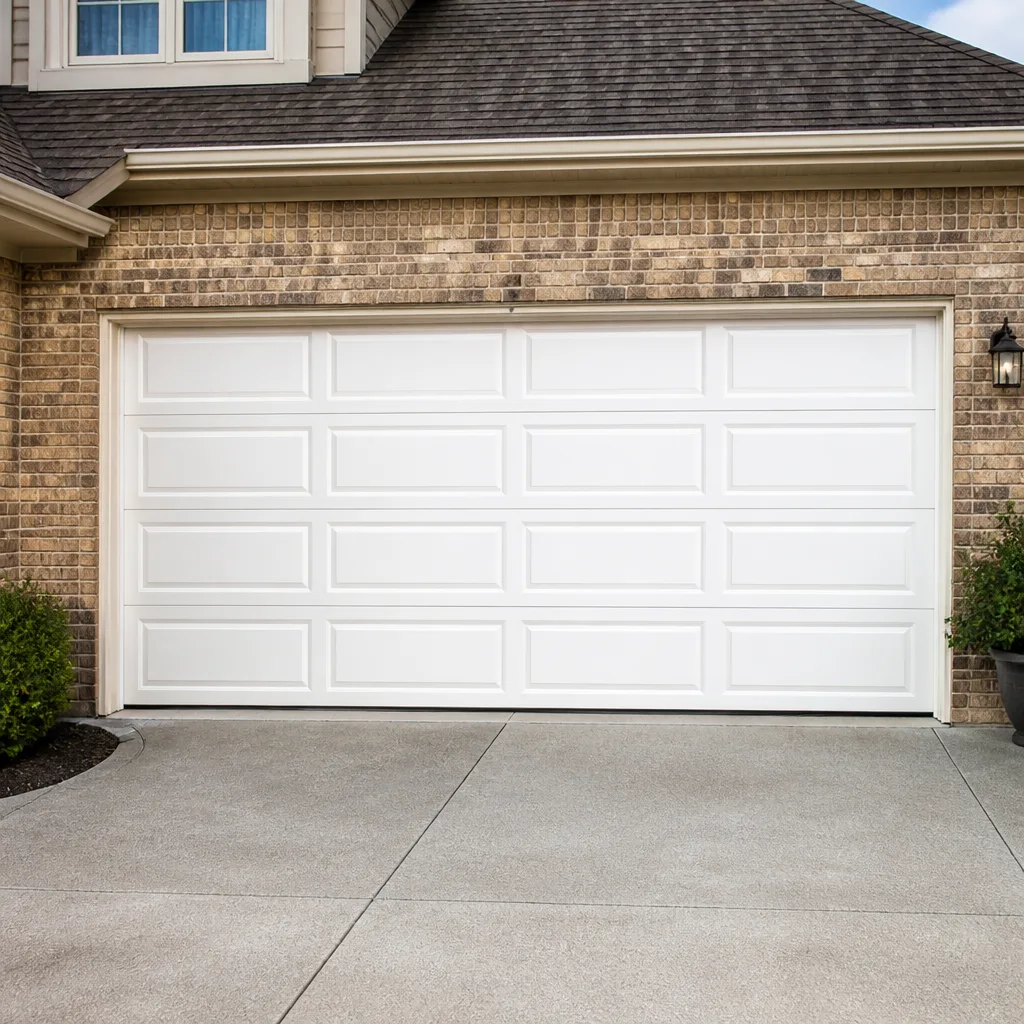 Raised-panel steel
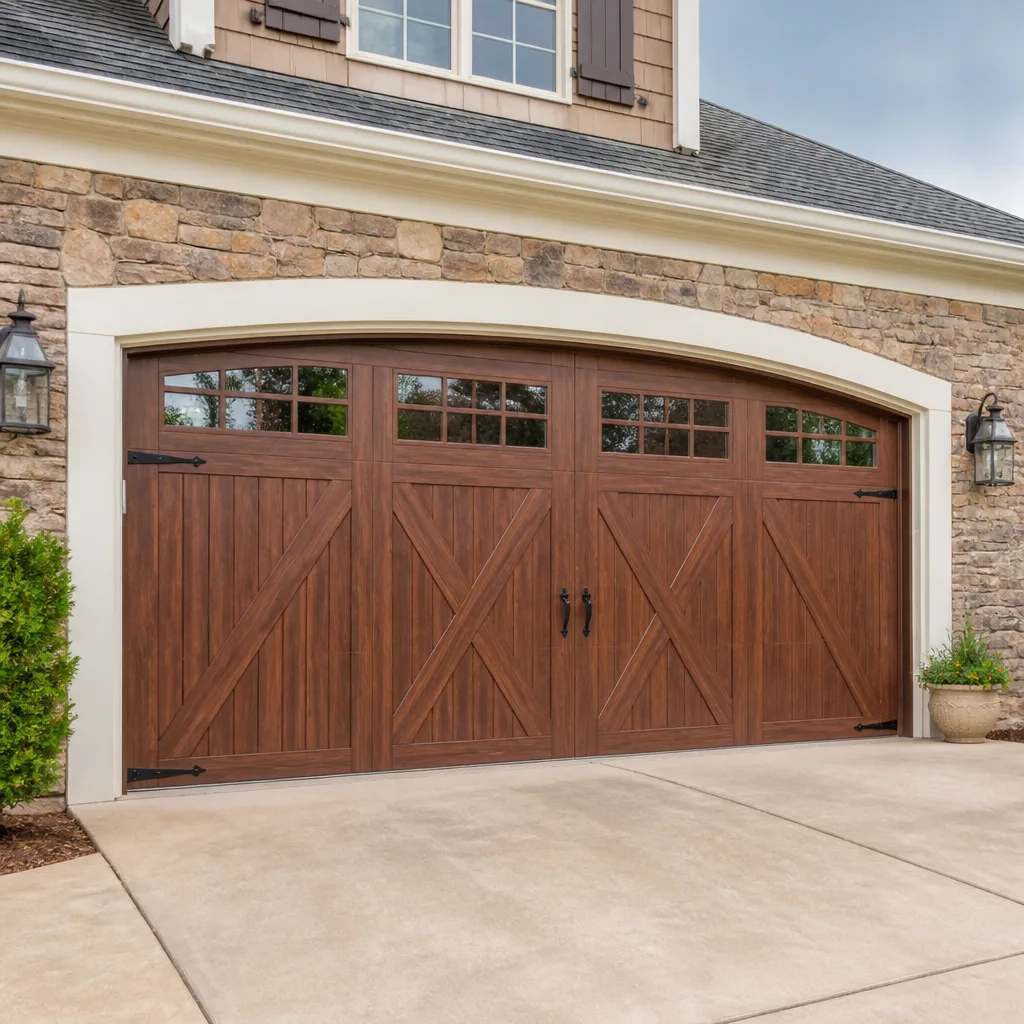 Carriage house
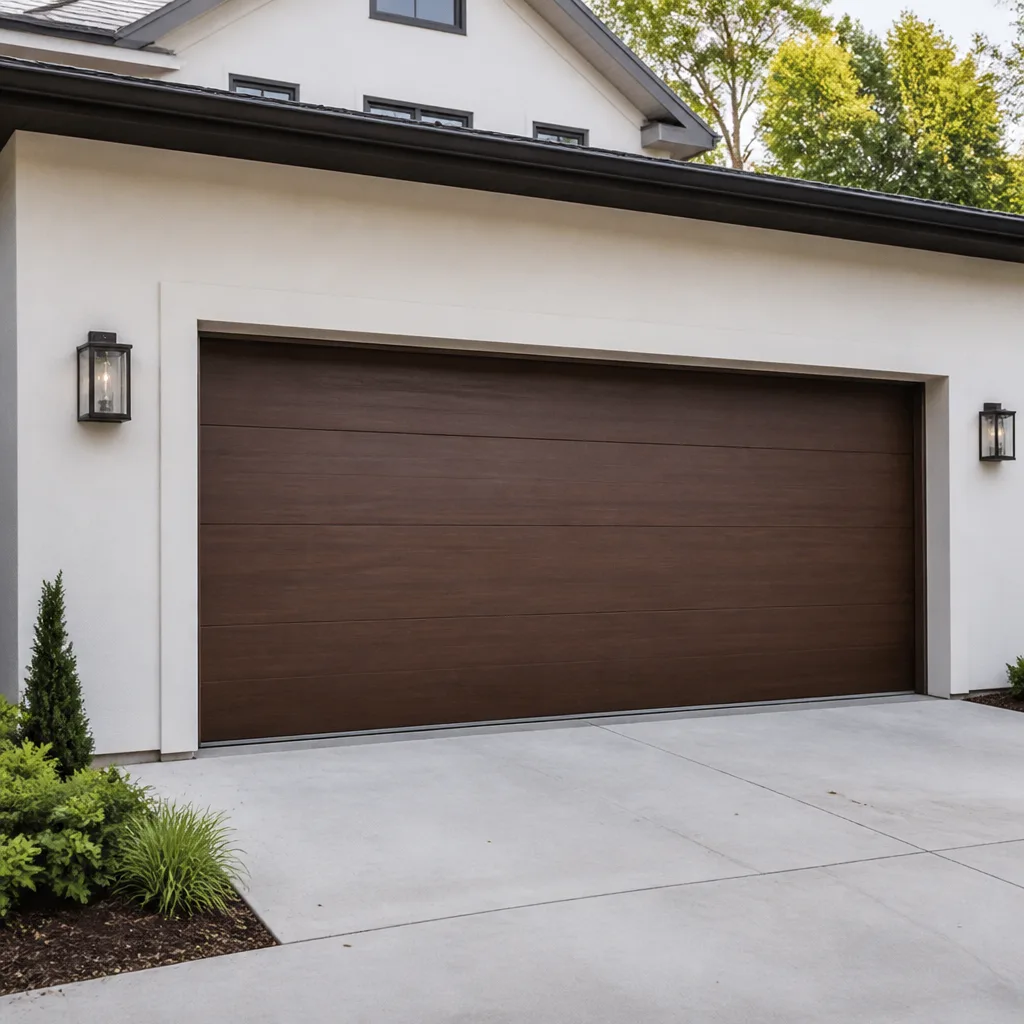 Modern flush
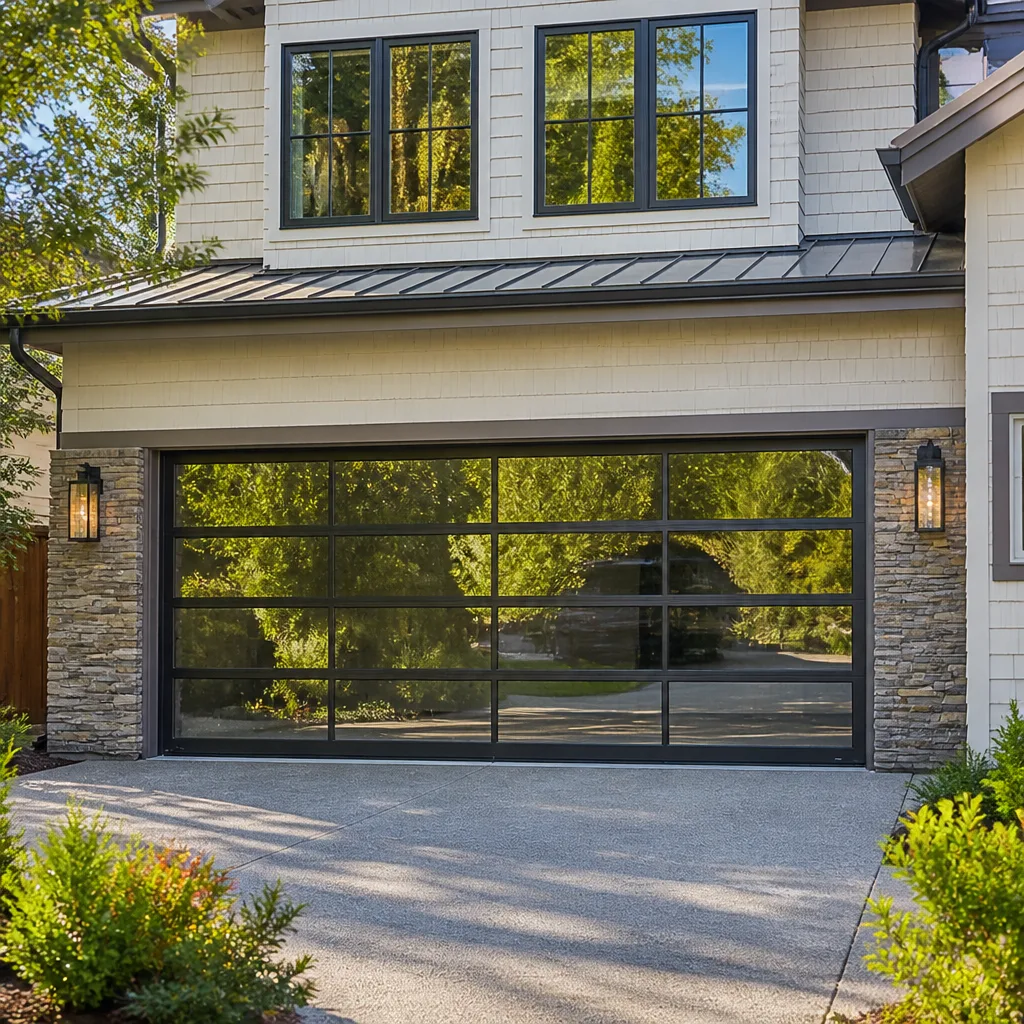 Full-view glass
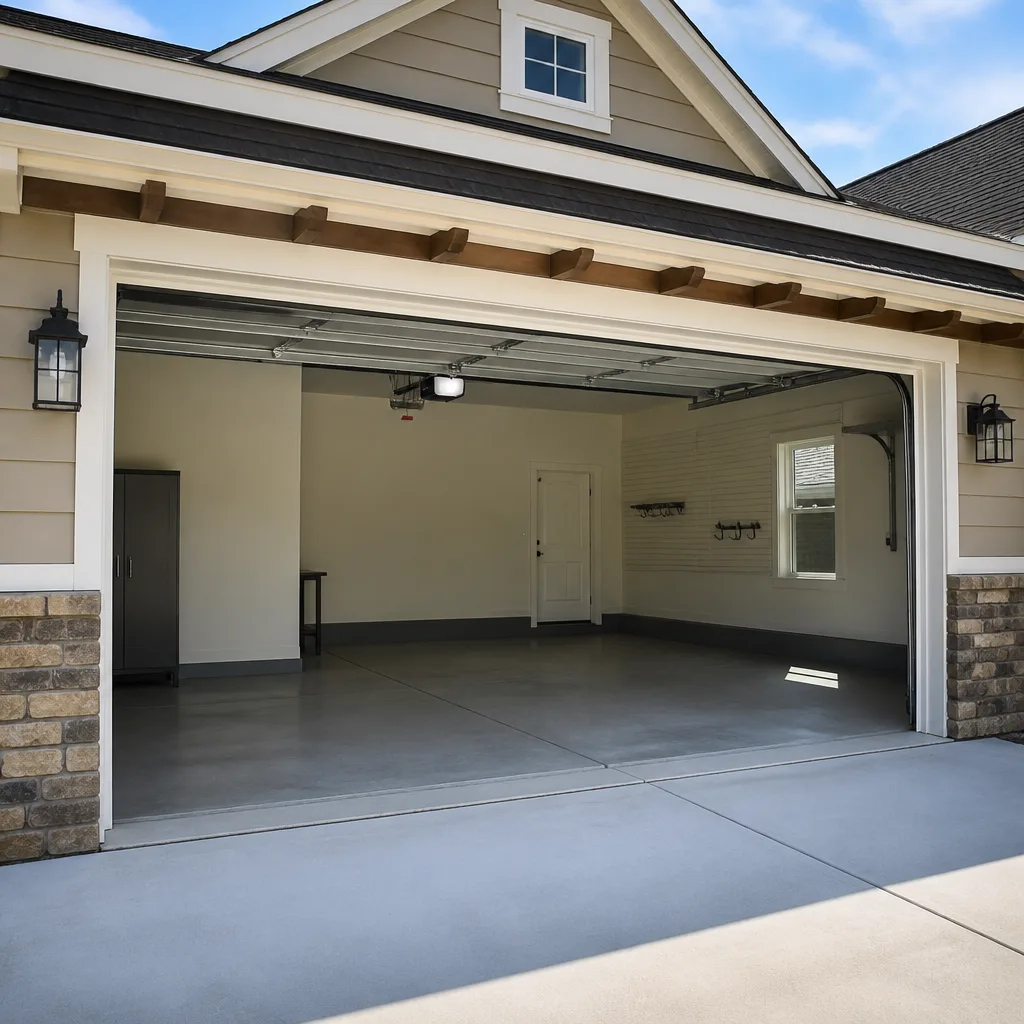 LiftMaster openers
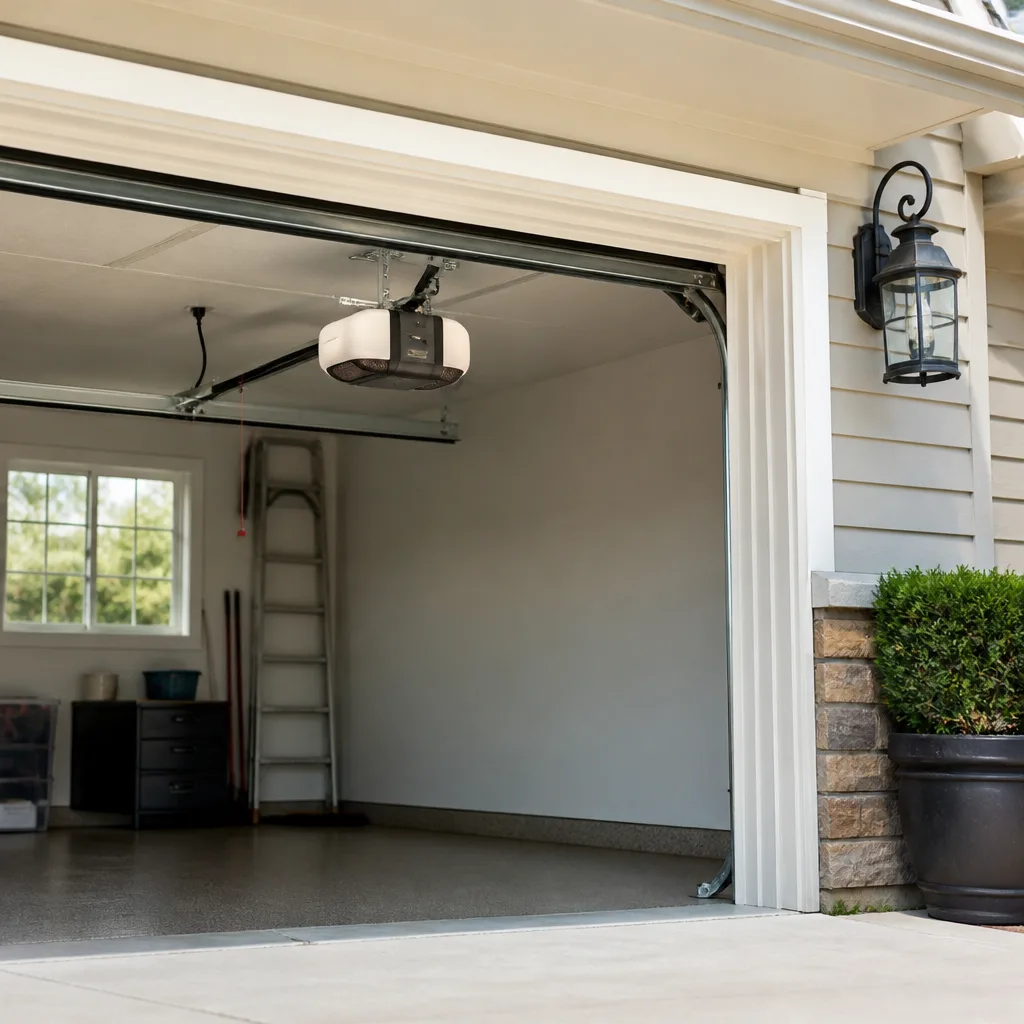 Chamberlain openers
Full 25-point door and opener safety check with every visit - springs, cables, rollers, tracks, and your LiftMaster or Chamberlain opener included
You get a price before we start. It does not change when the pro arrives.
Get your free estimateDIY vs Professional Garage Door: The Edinburg Homeowner’s Decision Guide
Most homeowners treat the DIY-versus-professional question as a single decision, as if garage doors were one task. They aren’t. A garage door is a system with a dozen separate jobs inside it, and the safety math changes completely from one to the next. Lubrication, sensor alignment, and remote reprogramming are legitimate DIY tasks that any careful homeowner can do safely. Torsion spring replacement is not, and lumping the two together is exactly how serious injuries happen. In Edinburg, the picture has one more wrinkle: the heat here accelerates wear on rubber, plastics, and lubricant, so the “check it yourself first” instinct pays off more than it does in cooler parts of Texas. This guide draws the line task by task, not by skill level, so you know which jobs you can handle and which ones need trained hands.
Quick Answer
Safe DIY garage door tasks are limited to lubrication, safety sensor alignment, remote and keypad reprogramming, visual inspection, and the balance test. Anything involving torsion springs, extension springs, cables, bottom brackets, or the high-voltage wiring inside an opener belongs to a trained professional. In Edinburg’s heat, some parts wear faster and certain components aren’t stocked locally, which changes the real cost of a DIY attempt. If you’re unsure which category a problem falls into, call (866) 389-4630 for a free estimate.
Styles & brands we work with
- Raised-panel steel
- Carriage house
- Modern flush
- Full-view glass
- LiftMaster openers
- Chamberlain openers
Table of Contents
- The Task-by-Task Breakdown: What’s Safe to DIY
- Why Torsion Springs Are Different From Everything Else
- The One Diagnostic You Should Always Do First
- Cost Comparison: DIY vs Professional in Edinburg
- Parts Availability in Edinburg and Why It Matters
- How DIY Repairs Can Void a Door Warranty
- How Edinburg Heat Changes the Wear Cycle
- Common Mistakes to Avoid
- When to Call a Professional
- Frequently Asked Questions
The Task-by-Task Breakdown: What’s Safe to DIY
The right question isn’t “am I handy enough?” It’s “does this specific task put stored mechanical energy near my hands?” Garage doors work on stored energy. Torsion springs and extension springs hold the full weight of the door in tension, and the cables and brackets that connect them carry that load. Tasks that touch any part of that energy system are not DIY territory. Tasks that don’t touch it are.
Here’s how the jobs sort out:
Safe DIY tasks
- Lubricating hinges, rollers, and tracks with the appropriate lubricant for the material (white lithium or a silicone-based spray, not grease that attracts grit).
- Aligning safety sensors at the bottom of the tracks when the door reverses on its own or won’t close.
- Reprogramming remotes and keypads, or changing the battery in the remote or wall button.
- Cleaning the tracks with a rag and mild cleaner, removing debris that makes the door drag.
- Running the balance test (covered in detail below) to see whether the door is properly supported by its springs.
- Visual inspection of cables, springs, hinges, and rollers for obvious wear and corrosion.
Professional only
- Torsion spring replacement or adjustment. The springs carry the full weight of the door; releasing that tension without the right tools and technique is how people lose fingers or worse.
- Extension spring replacement. Same stored-energy problem, different geometry.
- Cable replacement. Cables are the link between springs and door; a snapped or slipping cable can whip, and re-tensioning is a professional job.
- Bottom bracket repair. The bottom bracket is where the most tension sits on a sectional door.
- Opener wiring and motor repairs. The high-voltage side of an opener should never be opened by a homeowner.
- Roller and hinge replacement on a tensioned door. Even small part swaps can be dangerous if the door is under load.
DIY-possible but risky for warranty
- Panel replacement or cosmetic repair on a door still under a manufacturer warranty can complicate a claim.
- Replacing rollers yourself if you use off-brand parts on a Clopay or Amarr door.
- Adjusting the opener’s travel limits or force settings without the manual.
For most Edinburg homeowners, the sensible line is: handle the routine maintenance, watch the safety-critical parts, and let a specialist handle anything that touches the springs or the wiring. Our garage door repair team draws that line every day.
Why Torsion Springs Are Different From Everything Else
Torsion springs store an enormous amount of energy. On a typical two-car garage door, the torsion spring is wound tight enough to lift a door that weighs a few hundred pounds. When it’s working, that energy is safely contained by the winding bars and the torsion tube. When it’s not, the energy is still there. A spring that has been slightly loosened, or a winding cone that slips, can unload in a fraction of a second. There’s no warning, no slow release, no easy step back.
Every other garage door component is different. A bad roller just rolls badly. A misaligned sensor just won’t let the door close. A worn hinge creaks. A torsion spring, or the cables and brackets that hold it, can cause serious injury if handled wrong. That’s why the spring is the dividing line in this whole DIY question.
YouTube tutorials routinely understate this. A 15-minute video compresses the wind, the safety checks, and the “what if it slips” reality into a confident walkthrough. What the video can’t show you is how the spring feels under your bars, how much tension is left, or whether the door is actually balanced before you start. A trained technician can feel those things. A homeowner watching a video cannot.
If you’re in Edinburg and your door is straining, banging, or refusing to lift, don’t wind the spring. Call a professional. We work on torsion and extension spring systems on every major brand, and our technicians have up to experience. For the spring issue itself, Covenant Garage Door Repair is the place to start.
The One Diagnostic You Should Always Do First
Before you call anyone, run the balance test. It’s the single most useful thing a homeowner can do, it takes two minutes, and it tells you whether the springs are actually doing their job. A balanced door should stay put when you let go of it halfway through its travel. If it slams down or drifts up, the springs are worn or misadjusted.
Here’s how to do it safely:
- Disconnect the opener first. Pull the release cord or handle on the opener rail so the door runs manually. Don’t skip this step; the opener will mask the spring problem.
- Stand clear of the door’s path and to the side, not under it.
- Raise the door about halfway by hand, using the bottom edge or the lift handle. Don’t lift from the springs or the hinges.
- Let go and watch. A balanced door stays where you left it. A door that slides down means the springs are too weak. A door that drifts up means the springs are too strong or the door is too light.
- Reconnect the opener once the test is done, and rebook an appointment if the door didn’t hold.
The test won’t tell you exactly what’s wrong, but it tells you whether the springs need attention and gives the technician something useful to go on. In our experience, homeowners who run this test before calling get a faster, more accurate diagnosis. If your balance test fails, don’t try to adjust the springs yourself. Book a garage door opener repair call only if the opener itself is suspect; for the spring, that’s a garage door repair call.
Cost Comparison: DIY vs Professional in Edinburg
DIY looks cheaper on paper, and sometimes it is. Often it isn’t. The honest cost comparison has to include the tool cost, the learning curve, the possibility of making the problem worse, and the delay while you figure out what you don’t know. For a $40 lubrication job, DIY wins easily. For a spring replacement, professional work pays for itself in safety and in the warranty.
Here’s how the math usually sorts out for common jobs:
- Lubrication and cleaning: DIY ($10-$25 in lubricant) vs. a service call. DIY wins.
- Sensor alignment and remote reprogramming: DIY at no cost. DIY wins.
- Roller replacement: DIY parts cost roughly $20-$60 vs. a professional job. DIY is possible but risky on a tensioned door.
- Opener troubleshooting: DIY if it’s a battery or a reset. Professional if it’s a motor, a capacitor, or wiring.
- Torsion spring replacement: Not a DIY job. Professional only. A spring priced for a single spring is not the same as a matched pair, and a pair is usually replaced together.
- Panel replacement: DIY-possible on a non-tensioned door, but risky for warranty; professional on anything under load.
If you want a written, no-guesswork number for your specific door, call us. Free estimate, price set by the written quote before any work starts. Call (866) 389-4630 for a free estimate.
Parts Availability in Edinburg and Why It Matters
DIY math changes when the part isn’t on the shelf. A lot of what a homeowner needs for a garage door repair is a specialty item. Torsion springs, extension springs, and cables are bought to spec by door weight and door height, not by a single size. Rollers, hinges, and opener components vary by manufacturer and model, and the big-box stores in the area stock only a small slice of what’s out there. When a part has to be ordered, you’re waiting days with the door stuck.
Professional work absorbs that problem. A specialist already knows which parts are locally stocked and which need to come in. When you call, you get a straight answer on timeline, and the estimate reflects it. If your door is a Wayne Dalton or a LiftMaster system, for example, the parts network looks different from a generic brand, and a tech who works on those brands regularly knows the difference.
Edinburg’s place in the Rio Grande Valley adds one wrinkle: the summer heat shortens the working life of rubber seals, plastic bushings, and lubricant, so the parts you order more often are exactly the parts that wear faster here. That makes the availability question more pressing than it would be in a cooler climate. A homeowner who has to order a spring and wait a week is a homeowner with a non-functional garage.
That’s part of why specialization matters. We work on Craftsman, Raynor, and the rest of the eight major brands we cover, and we know what usually needs to come in versus what’s ready. For doors across Edinburg, that knowledge speeds up the repair.
How DIY Repairs Can Void a Door Warranty
If your door is still under a manufacturer warranty, anything you do to it carries some risk of complicating a claim. Cosmetic repairs are the sharpest example. A homeowner who badly repaints a panel, drills into it, or swaps a dented section for an aftermarket part can find that the manufacturer considers the door modified. When a structural issue later shows up, the warranty discussion starts with the cosmetic work, not the defect.
Here’s what the warranty usually cares about:
- Modifications to the door structure, including new holes, glued or riveted panels, and non-OEM replacement parts.
- Improper fastening of hinges, brackets, or panels.
- Off-brand replacement springs or cables that don’t match the door’s rated weight.
- Damage from a bad install of an aftermarket opener.
None of this means “never touch your door.” It means: if a door is still covered, keep your DIY work to maintenance and adjustments that don’t modify structure. Anything structural, use a specialist. A garage door repair tech can tell you right away which category your door is in, and whether the repair in front of you is worth doing under warranty.
We’re not the manufacturer, and warranties are set by the brand. What we can do is advise before the repair happens so you don’t paint yourself into a corner later.
How Edinburg Heat Changes the Wear Cycle
Garage doors wear out in every climate, but the wear pattern isn’t the same everywhere. Edinburg’s long hot season stresses the parts that rubber, plastic, and lubricant don’t love. Lubricant thins faster and evaporates from hinges and rollers. Seals at the bottom of the door dry out and crack. Plastic bushings and bearings can get brittle. Springs themselves are steel and are less heat-sensitive, but the components around them feel the heat.
The practical effect is a shorter lubrication cycle than the “once a year” advice you see online. In our experience, a door on a west-facing wall or in an unshaded garage benefits from a lubrication pass more often than a door in a shaded, cooler building. The tracks themselves are less affected; it’s the rubber, plastic, and lubricant that bear the brunt of the heat. This is one of the reasons we recommend a homeowner check their seals and lubricate the moving parts as a seasonal routine, not a once-a-year event.
It also changes the DIY calculus. Heat isn’t going to break a torsion spring for you, but it does wear down the plastic and rubber parts around it, which means the “small” fixes you can DIY are needed more often here than they are in cooler climates. A homeowner in Edinburg who learns the lubrication routine and the balance test is in good shape. The rest is better left to a specialist. Our garage door opener repair calls in this climate often involve heat-related wear on the opener’s plastic gears and capacitors, which is a good example of a job a homeowner should not attempt.
Common Mistakes to Avoid
- Winding a torsion spring without knowing the door’s weight. Springs are rated by door weight and height; the wrong spring is worse than no spring. Skip this and call a pro.
- Lubricating with the wrong product. Grease attracts grit and grinds down hinges; use a white lithium or silicone spray instead, especially in Edinburg’s dusty summers.
- Skipping the balance test. Homeowners often call about an opener problem when the actual issue is a worn spring. Run the test first and you’ll get the correct service.
- Trusting a YouTube video over a manufacturer manual. A LiftMaster or Chamberlain opener has model-specific adjustments that a generic video will get wrong. Use the manual that came with the unit, or ask us.
- Replacing one spring when both are worn. A matched pair wears together; replacing one and leaving the other leads to a second failure soon after. Almost always, both go together.
- Ordering an aftermarket part without checking fit. A Craftsman or Raynor door may not take a generic replacement without modification, and modification is a warranty problem.
- Doing cosmetic panel work on a door still under warranty. Repainting, drilling, or screwing into a panel can complicate a future claim. If in doubt, call first.
When to Call a Professional
Call a professional when the work involves springs, cables, bottom brackets, or the electrical side of the opener. Call when the balance test fails, when the door is off its tracks, when a panel is bent or cracked, and when you can’t identify the problem after a couple of checks. Also call when the door is under warranty and the work would involve the spring, cable, or structure. We show up with the right tools and the trained hands, and the estimate is set before any work begins. Our garage door repair team is one of the three services we offer, along with opener repair and full installation. Covenant Garage Door Repair offers free estimates in Edinburg. Call (866) 389-4630. We answer 24/7. Fast dispatch from 7am to 7pm, Sunday through Friday.
Frequently Asked Questions
No. Torsion springs store enough energy to cause serious injury, and there’s no safe way for a homeowner without the right tools and training to release that energy. Even a “quick” adjustment on a tensioned spring is a professional job. Call (866) 389-4630 for a free estimate on a safe, professional repair.
Lubrication, sensor alignment, remote and keypad reprogramming, track cleaning, and the balance test are all safe for homeowners to do. In Edinburg’s heat, lubrication is needed more often, so it’s worth learning the routine. For anything involving springs, cables, brackets, or opener wiring, call a professional.
It can, especially if the work modifies the door structure or uses off-brand parts. Cosmetic panel repairs, new holes, and aftermarket springs are the biggest risks. If your door is still covered, ask before you touch it. Call (866) 389-4630 for advice and a free estimate on doing the repair under warranty.
The balance test tells you whether the springs are doing their job. It’s a two-minute check: disconnect the opener, raise the door halfway, and let go. A door that stays put is balanced; one that drifts down or up needs professional spring work. Running it first helps you get the right service on the first call.
Some of them, yes. Torsion springs, extension springs, and brand-specific rollers and hinges often aren’t stocked at local stores, which adds days of delay to a DIY attempt. Professional work already accounts for that. Call (866) 389-4630 and we’ll tell you what your door likely needs.
You can, but it’s not usually the right call. Springs wear together, and a single replacement often leads to a second failure soon after. Most technicians replace matched pairs. Call (866) 389-4630 for a written quote and a clear recommendation for your door.
The Bottom Line
The DIY-versus-professional question is decided task by task, not homeowner by homeowner. Lubrication, sensor alignment, and remote reprogramming are yours to handle, and in Edinburg’s heat, learning the lubrication routine genuinely pays off. The balance test is the best two-minute investment you can make before calling. Springs, cables, brackets, and opener wiring belong to a trained technician, and the warranty math usually agrees. If you’re staring at a door that won’t do its job, call Covenant Garage Door Repair at (866) 389-4630 for a free estimate. Our technicians have up to experience, and garage doors are all we do, whether it’s a repair or a full installation.
Written by the team at Covenant Garage Door Repair.
See the difference
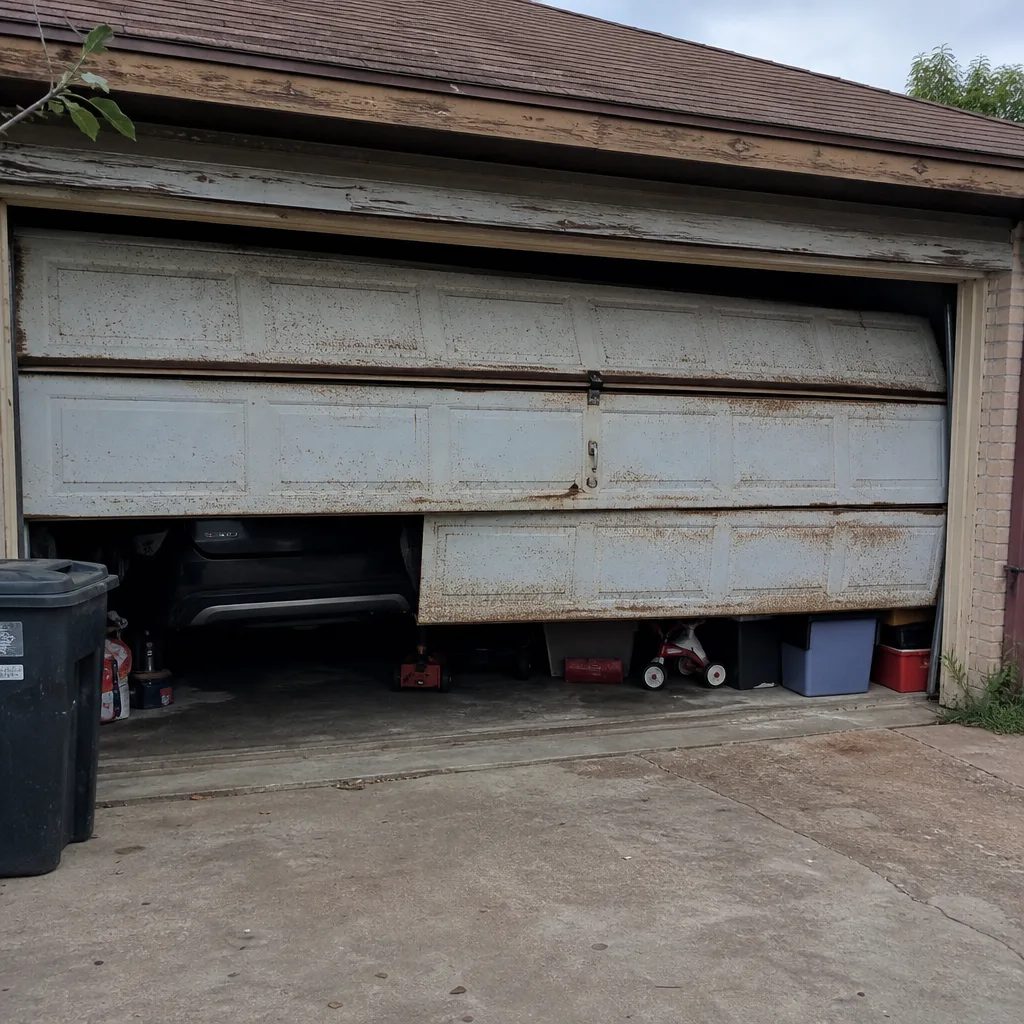 Before
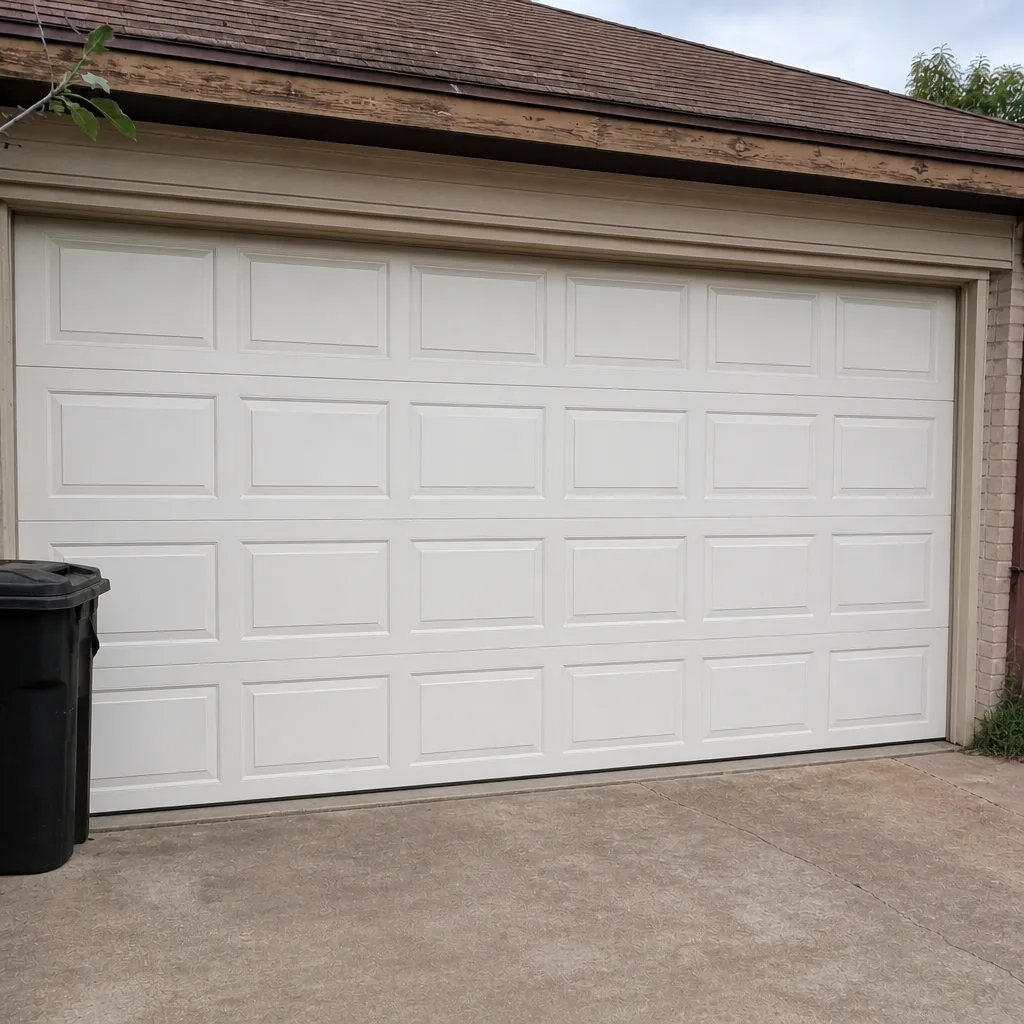 After
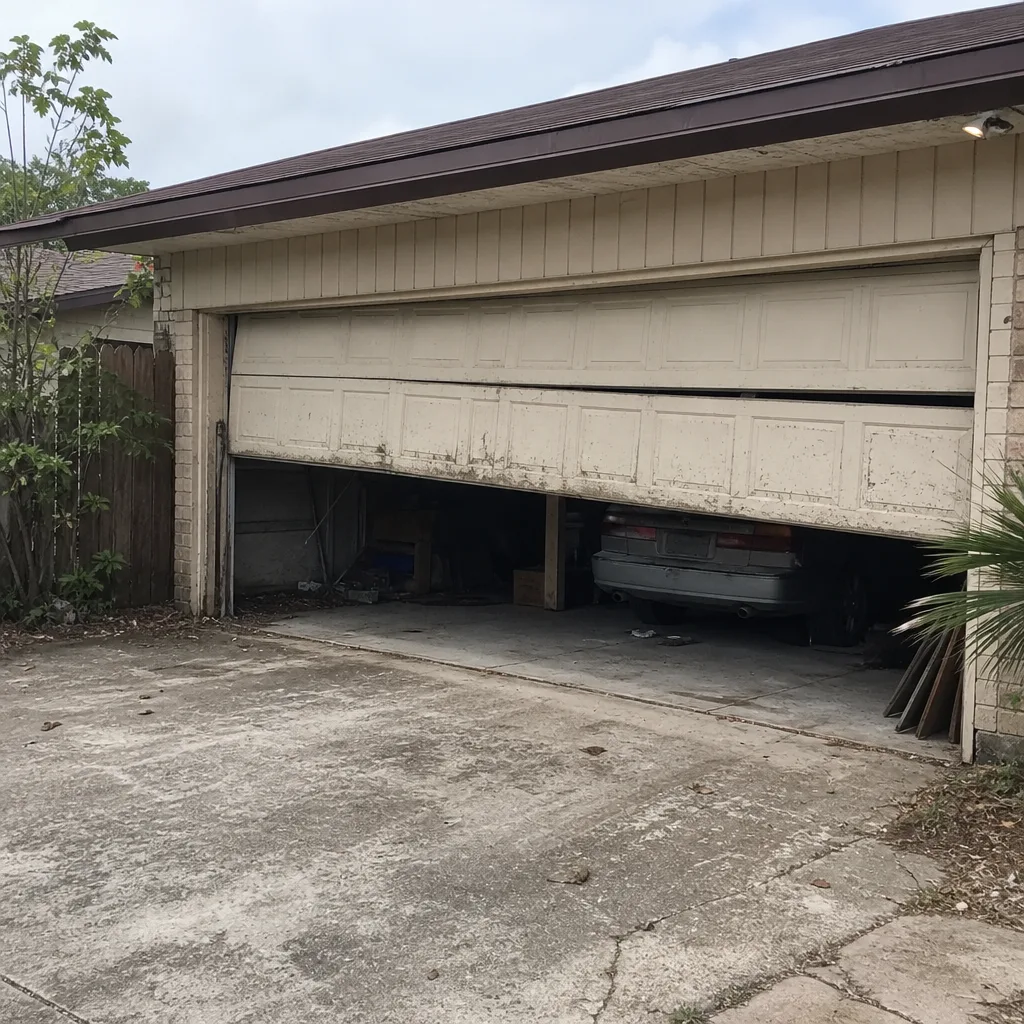 Before
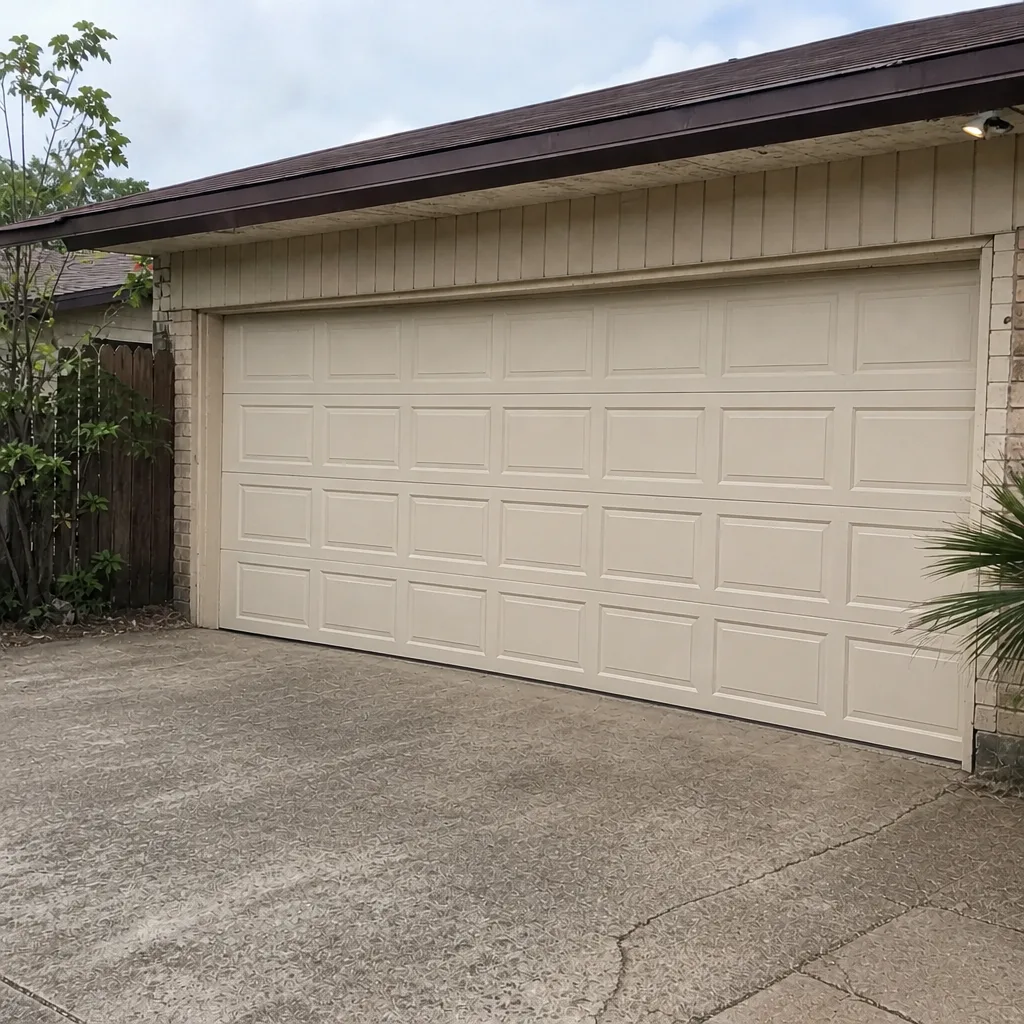 After
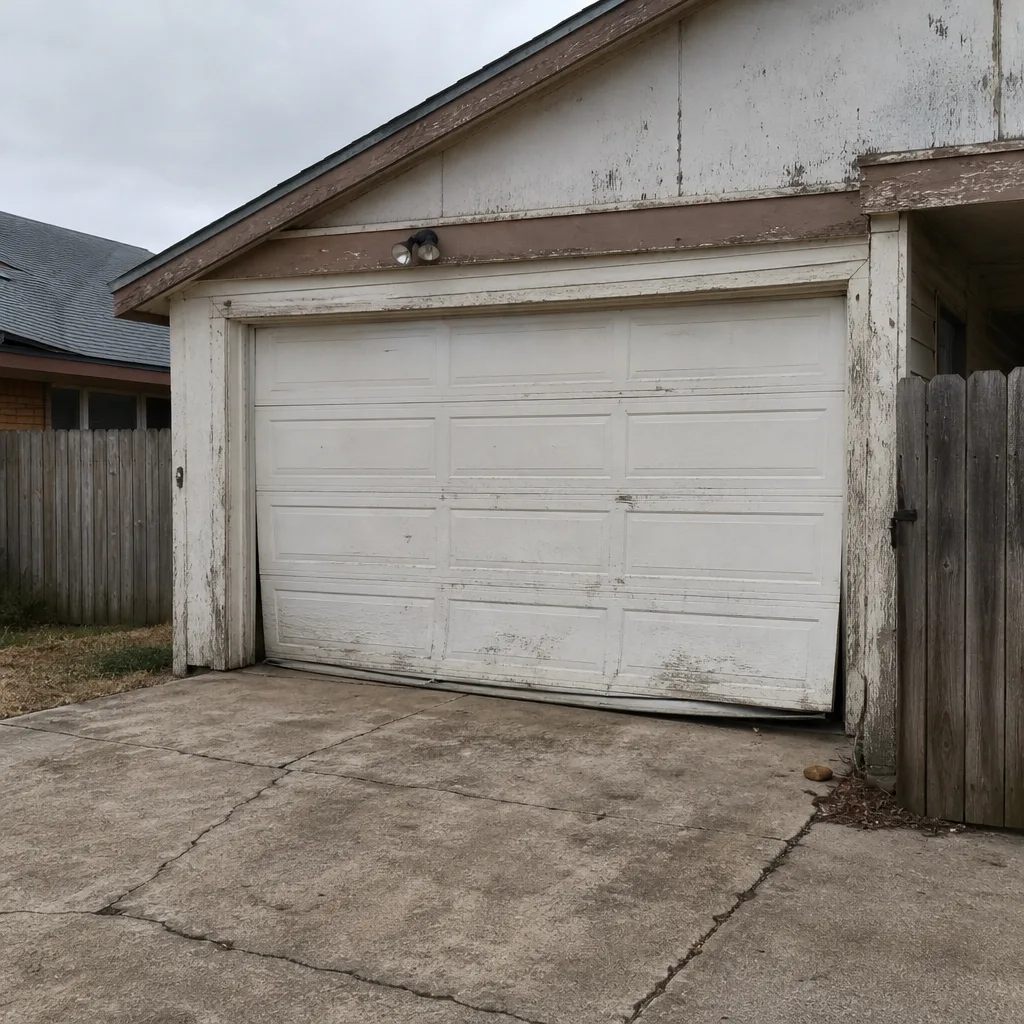 Before
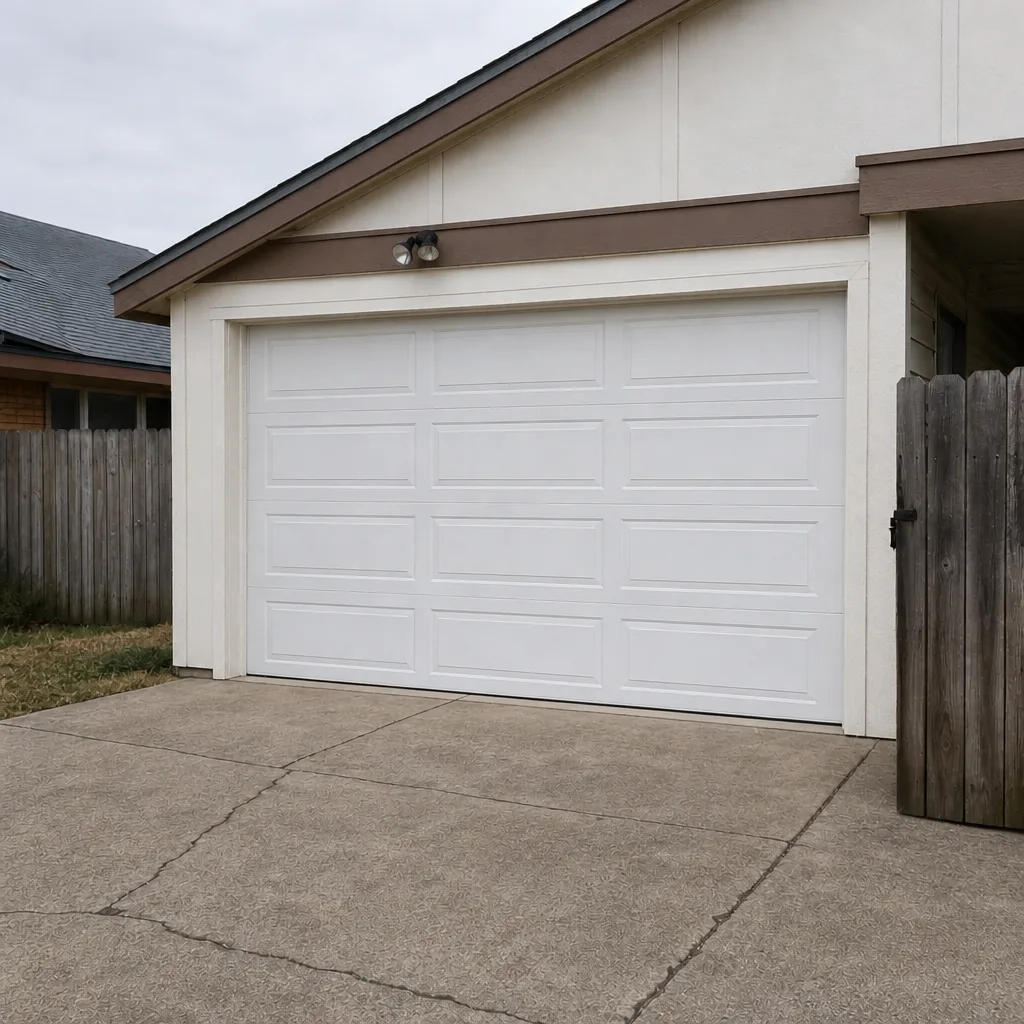 After