
Last updated November 15, 2026
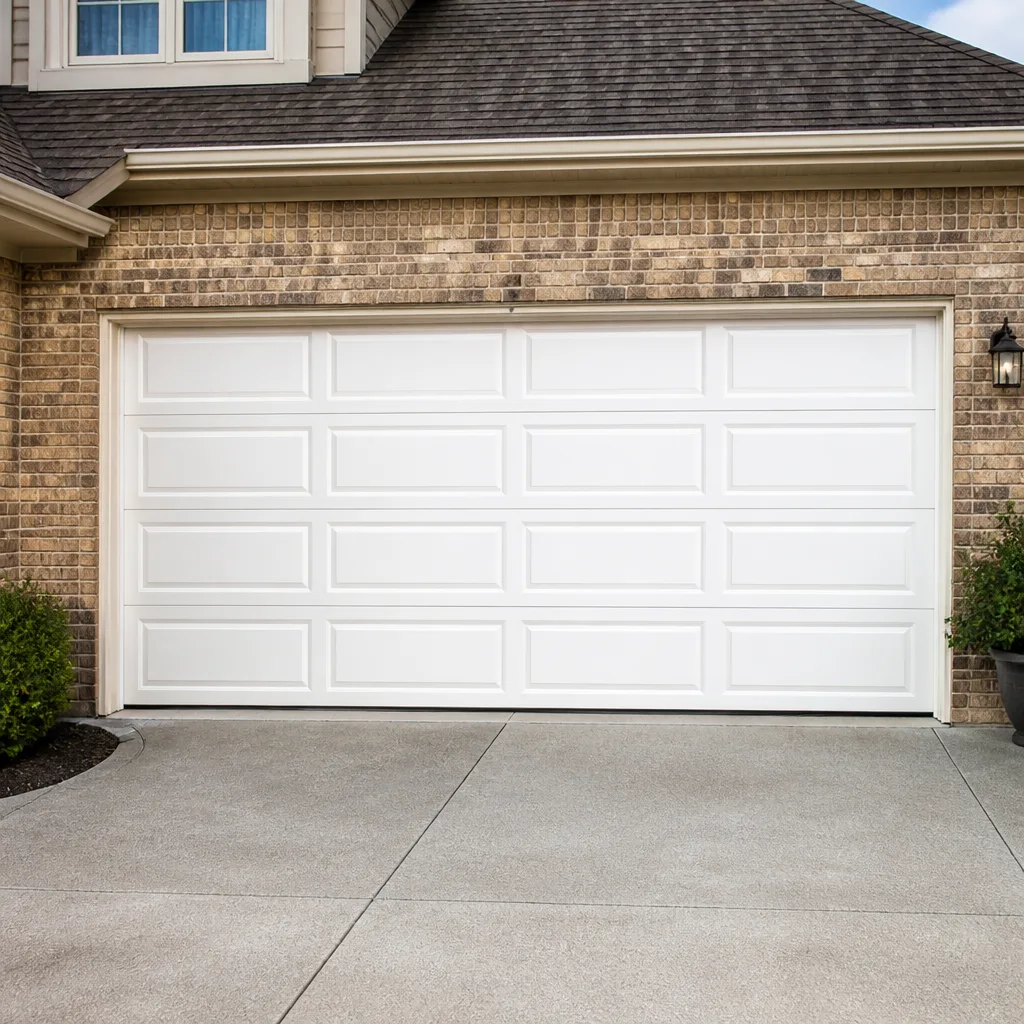 Raised-panel steel
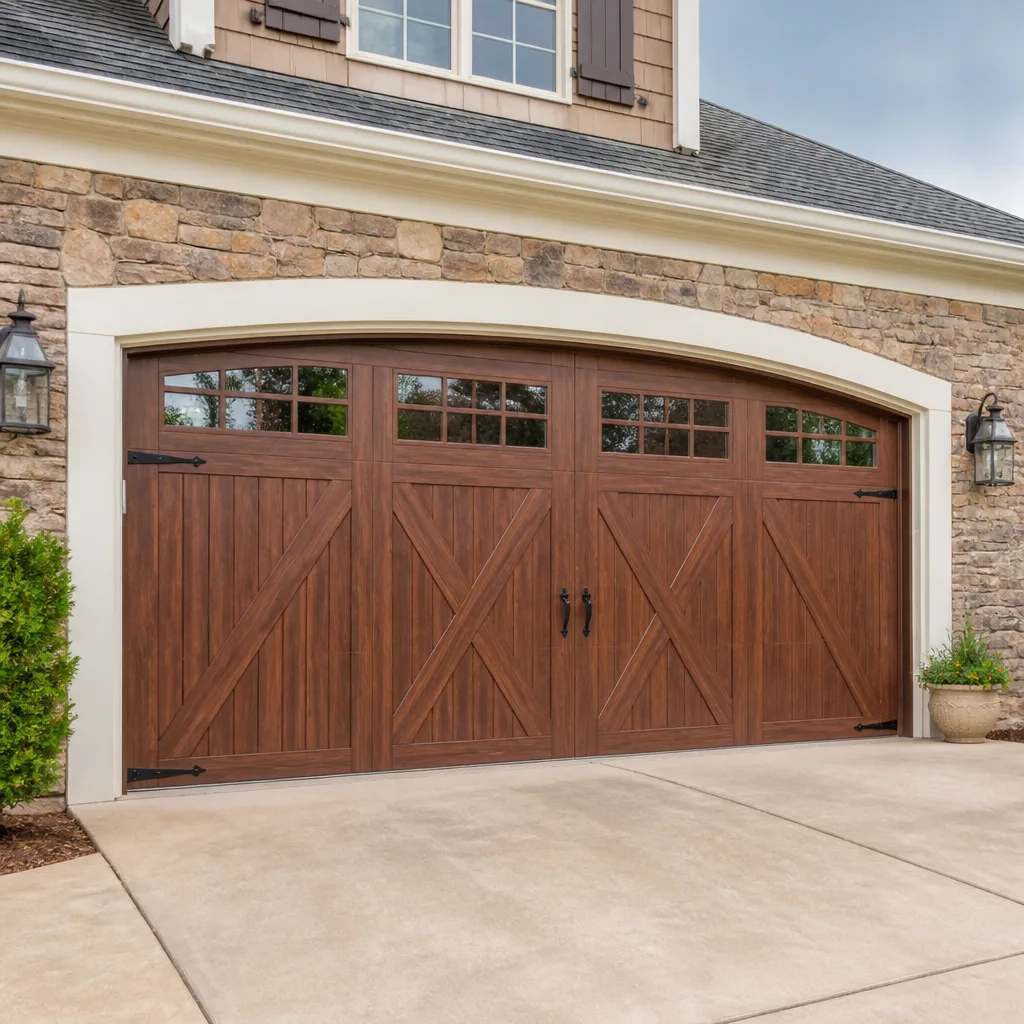 Carriage house
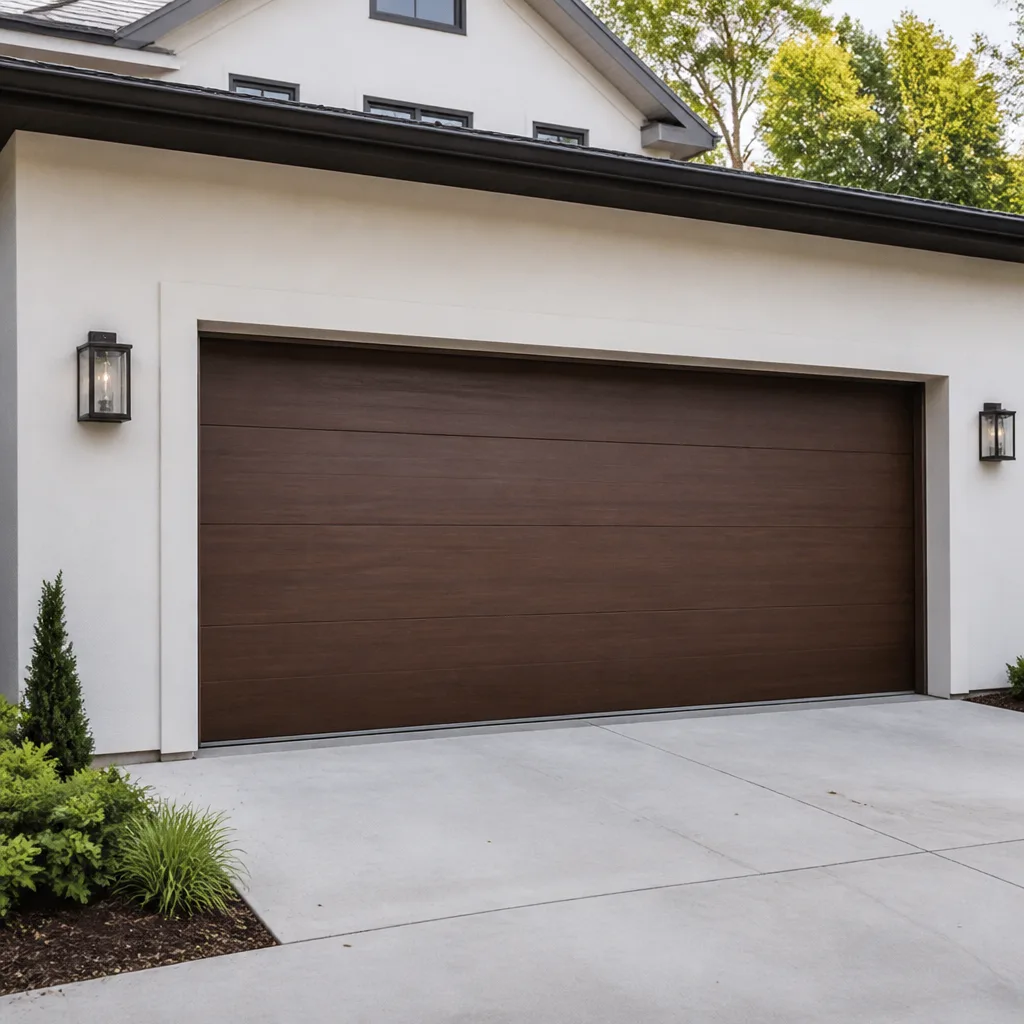 Modern flush
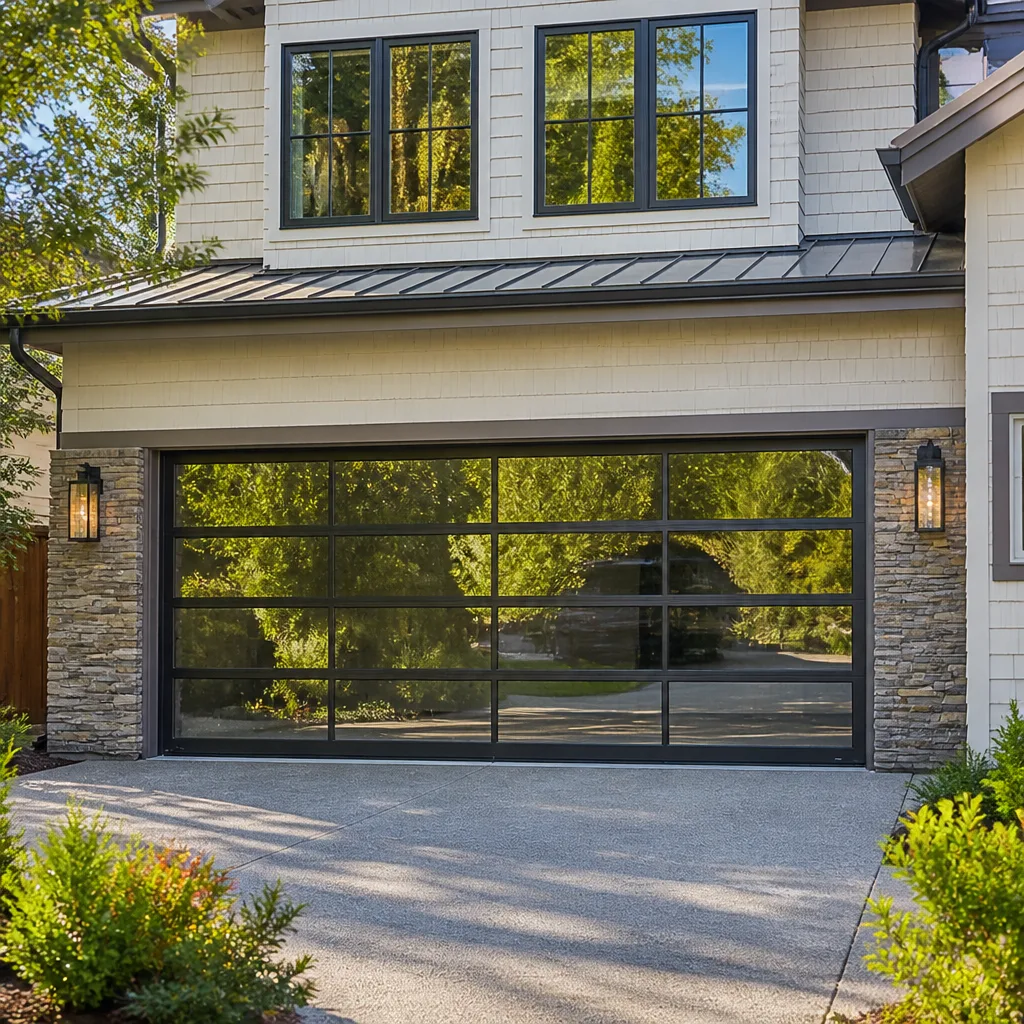 Full-view glass
 LiftMaster openers
 Chamberlain openers
Full 25-point door and opener safety check with every visit - springs, cables, rollers, tracks, and your LiftMaster or Chamberlain opener included
You get a price before we start. It does not change when the pro arrives.
Get your free estimateGarage Door Permits, Codes & Inspections in Edinburg, TX: What You Need to Know
Most Edinburg homeowners assume a garage door replacement needs no permit at all. Sometimes that’s true. Sometimes it isn’t, and the gap between those two answers is where real money and real resale headaches live. In a wind-borne debris region, the door on your house is treated less like a decorative panel and more like a structural opening that has to meet a load standard, and whether the City of Edinburg wants to see paperwork depends on exactly which work you’re doing. This guide walks through what triggers a permit, what doesn’t, how wind-load zones shape which doors you can legally install, how HOA rules stack on top of city code, and how to confirm your contractor pulled the right permits before the work starts rather than after.
Quick Answer
In Edinburg, TX, a full garage door replacement, especially one that changes the door’s size, weight class, or wind-load rating, usually requires a permit and wind-load documentation, while routine repair of an existing door or opener typically does not. Texas does not issue a statewide garage door permit, so the City of Edinburg’s building department sets the local rule, and HOA architectural review in many newer subdivisions runs separately from city code. The only reliable way to know which side of the line your job falls on is to ask the city’s building department and get the answer in writing before anyone swings a wrench.
Styles & brands we work with
- Raised-panel steel
- Carriage house
- Modern flush
- Full-view glass
- LiftMaster openers
- Chamberlain openers
Table of Contents
- Replacement, Repair, or New Install: Which Needs a Permit?
- Texas Wind-Load Zones and What They Mean for Your Door
- HOA Overlay Rules in Edinburg’s Newer Subdivisions
- What the Inspection Actually Looks At
- Resale Inspection: What Happens if Unpermitted Work Is Flagged
- How to Confirm Your Contractor Pulled the Right Permits
- Where Repair Ends and Permitted Work Begins
- Safety: Why Springs and Panels Aren’t a DIY Project
Replacement, Repair, or New Install: Which Needs a Permit?
The permit question splits cleanly into three buckets, and Edinburg homeowners who understand the split save themselves a lot of confusion. The short version: repair generally doesn’t need a permit, a like-for-like replacement sometimes does, and a new installation into a structure that never had a door almost always does.
- Repair of an existing door – replacing rollers, hinges, cables, a spring, or the opener motor on a door that’s already there. Routine repair work of this kind usually doesn’t require a permit because it doesn’t change the door’s size, weight, or structural attachment.
- Replacement – swapping a door for a new one of the same opening size. Whether the City of Edinburg wants a permit here depends on the wind-load classification of the door and whether the new unit’s rating matches or exceeds what the structure was built for. This is the murky middle, and it’s exactly where homeowners get surprised.
- New installation – cutting a new opening or fitting a door where none existed. This is structural work and is treated like any other alteration to the building envelope, which means permits and inspection.
Here’s the part that catches people: a like-for-like replacement feels cosmetic to the homeowner but reads as a structural substitution to a code official when the door carries a wind-load rating. A door is a large, non-fixed element on an exterior wall. In a region that takes wind seriously, swapping it for one with a different rating can change how the whole assembly performs under load. That’s why the building department cares, and why “it’s just a door” isn’t the defense homeowners think it is.
Our advice is always the same: call the City of Edinburg’s building department with the address and the door you want, get the answer, and keep it. A five-minute phone call is cheaper than sorting out a flagged permit at closing. For straightforward garage door repair that keeps the existing door and hardware in place, you’re almost always in the no-permit bucket.
Texas Wind-Load Zones and What They Mean for Your Door
Texas regulates wind exposure through designated wind-load zones, and Edinburg sits in a wind-borne debris region, which is a stricter category than the inland areas to the north and west. In practical terms, that means the doors legally installed on many Edinburg homes have to be rated for the wind pressure their zone imposes, and the rating has to be documented. A door sold for a calmer zone may not be legal here even if it fits the opening and looks identical.
What this means when you’re shopping:
- The door you install has to carry a wind-load rating appropriate to the zone Edinburg falls in. Manufacturers publish this per model and per size.
- The rating typically comes with documentation, often in the form of an evaluation report or a manufacturer’s certificate, that the building department can review.
- Two doors that look the same on the showroom floor can carry different ratings. This is why we work across brand lines. Clopay, Amarr, and Wayne Dalton all publish wind-load documentation for their models, and knowing which series meets which rating matters more here than in most of the country.
- Reinforcement hardware matters alongside the panel. Vertical reinforcement struts and heavier track assemblies are part of how a door achieves its rating, not an upsell bolted on afterward.
We bring this up because a homeowner who buys a door purely on looks and price can end up with a unit that’s physically fine and code-problematic. That’s a real risk in Edinburg, where the wind-borne debris designation is a fact of the local market, not a hypothetical. When we quote a replacement, the wind-load classification of the door is part of the conversation from the first visit, because the wrong door is a problem nobody wants to discover at inspection or at resale.
If you’re unsure what rating your existing door carries, the label on the door’s interior panel or the manufacturer’s paperwork that came with the house will usually tell you. That label is worth photographing and keeping. It answers a lot of questions later.
HOA Overlay Rules in Edinburg’s Newer Subdivisions
City code is only half the approval picture in Edinburg. The newer subdivisions that have filled in around the city over the past couple of decades typically run homeowners associations, and those associations have architectural review rules that operate completely separately from the building department. A door can be perfectly legal under city code and still get you a violation letter from your HOA, because the two sets of rules answer different questions.
What HOA architectural review usually covers:
- Color and finish. Many associations restrict the palette, often to colors that match the neighborhood’s original build. A door you love in a showroom photo may not be on the approved list.
- Panel style. Window inserts, carriage-house styling, and panel patterns sometimes fall under design guidelines that run to the whole streetscape.
- Materials. Steel, wood-look, and aluminum doors are treated differently, and some associations require one family of material to keep the block consistent.
- Submission and approval timing. Most associations require an application and written approval before installation, and the approval process takes time. Ordering a door before approval is signed off is a common and expensive mistake.
The practical sequence matters. If you live in a newer Edinburg subdivision, the order of operations is: check the association’s architectural guidelines first, submit the application with the door specs and color, get written approval, then have the door measured and ordered, then pull the city permit if one applies. Doing these out of order is what causes doors to sit in garages for weeks waiting on a signature.
When we measure for a replacement, we ask whether the home is in an HOA and whether approval has been granted. Whether it’s a repair or a full installation, that question saves a lot of friction. It’s the kind of thing a garage-door specialist asks and a generalist doesn’t think to.
What the Inspection Actually Looks At
If your replacement or new installation requires a permit, the inspection is the step that confirms the work matches what was approved. It’s not a test you can study for after the fact, but knowing what an inspector looks at helps you understand why the permit exists in the first place.
- Door rating documentation. The inspector confirms the installed door carries the wind-load rating the permit application specified, usually by checking the manufacturer’s label or paperwork against the approved plans.
- Attachment and reinforcement. The brackets, track, and any reinforcement struts have to match the rated assembly. A door rated for a given load with reinforcement installed without it is not compliant.
- Opening size and framing. The rough opening and any framing changes have to match what the permit describes. If the opening was widened, that needs to have been on the permit.
- Opener and safety features. Opener mounting and the safety reverse function typically get a look, because the door and opener are a system, not two independent parts.
- Compliance with the approved plan. The simplest check of all: does what’s on the wall match what’s on the paper?
An inspection is not a warranty on quality. It’s a check that the assembly meets the standard the permit required. A door can pass inspection and still be installed poorly, and a door can be installed well and fail inspection because the paperwork didn’t match. Both outcomes trace back to the same root cause: the work was done without a clear read on what was required.
For repairs on an existing door, no inspection is involved, which is one reason repair is the simpler path when a component fails. If your opener quits, that’s garage door opener repair, a repair job by definition, and the permit conversation doesn’t apply. If your door gets hit by a car and needs a full replacement, the permit likely does. Our technicians have up to experience reading these situations and telling the two apart before any work begins.
Resale Inspection: What Happens if Unpermitted Work Is Flagged
This is the part of the story that matters most to Edinburg homeowners, because it’s the moment the permit question stops being theoretical. When a house sells, buyers and their agents check for permits on significant work. Garage door replacement registers as significant in a wind-borne debris region because the door is part of the building envelope’s wind performance. If the work was done without a permit and one was required, the flag comes up.
What typically follows is one of a few paths:
- The buyer asks for documentation. If you can’t produce it, the buyer’s incentive to negotiate hard goes up, because they’re pricing in the risk.
- The closing gets delayed. Permits get pulled after the fact, inspections get scheduled, and the timeline stretches. That’s not a dollar loss by itself, but a delayed closing has cost.
- The issue becomes a repair negotiation. Sometimes the resolution is a credit or a re-do, which converts the unpermitted work into a cash problem at the worst possible moment.
- Insurance questions surface. Coverage on a door that doesn’t meet the wind-load standard the zone requires is a conversation no homeowner wants to have after a storm. We can’t speak to any specific insurer’s decision, only to the fact that documenting compliant work is the stronger position.
How often is unpermitted garage work flagged at resale? Often enough that it’s worth preventing rather than litigating. The work that gets flagged most is the work that feels cosmetic to the homeowner and structural to an inspector: a full door replacement done quickly without a permit, a door swapped for a model with a different rating, an opening modified to fit a new door. None of these are malicious. They’re the result of not asking the question before the work started.
The honest trade-off is that permits cost time and money up front, and skipping them saves both until it doesn’t. A permit failure at resale tends to cost more than the permit ever would have. That’s the trade we think is worth making in the open rather than discovering at closing.
How to Confirm Your Contractor Pulled the Right Permits
The time to confirm permits is before the work starts, not after. This is the step most Edinburg homeowners skip because they assume the contractor handled it. Sometimes they did. Sometimes they didn’t, and the homeowner finds out years later. The confirmation takes a few phone calls and it’s worth every one of them.
- Ask, in writing, whether a permit applies. Before signing anything, ask the contractor whether the job requires a permit under City of Edinburg rules, and ask for that answer in an email or text. A contractor who’s confident of the answer will say so plainly.
- Ask who pulls it. In most cases the contractor pulls the permit on the homeowner’s behalf, but confirm whose name goes on the application. The record should be traceable back to the work.
- Get the permit number once issued. A permit number is a thing you can look up. Ask for it as soon as it’s available, and keep it with your closing documents.
- Verify it yourself with the city. The City of Edinburg’s building department can confirm whether a permit was issued for your address and what it covers. A quick call settles the question outright.
- Confirm the final inspection was signed off. A permit issued and never inspected is half a job. Ask for confirmation that the final inspection happened and passed, and keep that paperwork too.
- Keep the door’s rating documentation. The manufacturer’s wind-load documentation for your specific door model is part of the permit file and part of your resale file. Photograph the label before the door goes up.
Our approach at Covenant Garage Door Repair is to answer these questions directly. We work on garage doors only, so permit questions come up on a large share of our replacement jobs, and we’d rather tell you a permit is needed on the front end than leave you explaining it at resale. Our name means we stand behind it.
One more thing worth building into your habit: get the quote in writing before any work starts, with the scope spelled out. A written scope that says “replace door, model X, wind-load rating Y, permit included” is a document that answers most of these questions on its own.
Where Repair Ends and Permitted Work Begins
The line between repair and permitted work is the most useful thing in this guide, because it’s the line that comes up on an ordinary Tuesday when something breaks. Most of what goes wrong with a garage door is repair. The bigger jobs, the ones that touch the door’s rating or the building envelope, are the ones that may need a permit. Knowing which is which lets you ask for the right thing.
- Springs, cables, rollers, hinges. Straight repair. The door stays where it is and its rating doesn’t change. No permit conversation.
- Opener replacement or repair. Repair, whether the opener is a LiftMaster, Chamberlain, Genie, or Craftsman unit. The opener is not part of the building envelope’s wind performance.
- Track and bracket replacement. Repair, as long as the replacement matches the existing assembly. If the assembly is being upgraded to a heavier reinforced setup, that’s a change worth asking about.
- Panel replacement. Usually repair, but if the panel change alters the door’s rating, the answer can flip. Worth a phone call.
- Full door replacement. The big one. Permit applicability depends on the wind-load question, and this is the job to confirm in writing.
- Opening modification. Structural work. Permit and inspection territory.
When we quote a repair, we say so plainly and we don’t turn it into a replacement conversation. The right fix, not the fastest upsell, is the standard we hold ourselves to. If a repair is what your door needs, that’s what we’ll quote. If the door is genuinely at the end of its service life and a replacement makes sense, we’ll tell you that too, and we’ll walk through the permit and wind-load question at the same time.
For homeowners in Edinburg, this split matters because the market has a lot of doors reaching the end of their service life around the same time. When replacement comes up, the permit question comes with it. Getting comfortable with that now is cheaper than getting comfortable with it later.
Safety: Why Springs and Panels Aren’t a DIY Project
Garage door springs and cables are under extreme tension, and a spring failure can cause serious injury to anyone in the path. This is the part of the trade where a real expert tells you to stop. Adjusting, releasing, or replacing a torsion spring or a cable assembly without training and the right tools is genuinely dangerous, and the damage isn’t limited to the person doing the work. A door that comes down unexpectedly can trap or injure anyone underneath it.
What’s reasonable for a homeowner to do is inspect and observe, not adjust under tension. Look at the door: are the panels even, do the rollers move freely, are the cables frayed, does the door balance when you lift it by hand? If something looks off, write it down and call. The same goes for the opener’s safety reverse, which you can test by placing an object in the door’s path and confirming the door reverses. Testing is safe. Adjusting is not.
Electrical work inside the opener or at the wall control is also in the trained-professional category. Low-voltage control wiring is usually manageable for someone comfortable with it, but anything involving the household circuit deserves a licensed electrician, and we don’t do electrical work outside the opener itself. Garage doors are all we do, and part of doing that well is knowing where our work stops.
If a spring breaks, a cable snaps, or the door comes off its track, don’t operate it. Call a professional. This is one of those categories where the safety caveat isn’t a sales tactic. It’s the trade.
Common Mistakes to Avoid
- Assuming no permit is ever needed for a door swap. In a wind-borne debris region like Edinburg’s, a full replacement can require a permit and rating documentation. Assuming otherwise is the most common and most expensive mistake in this guide. Ask the building department before you order the door.
- Buying a door without checking its wind-load rating. Two doors that look identical can carry different ratings. The one you install has to match the zone Edinburg falls in, and the documentation has to exist. Aesthetic shopping without the rating check is how good-looking doors become code problems.
- Skipping HOA architectural review. Newer Edinburg subdivisions often have color, style, and material rules that run separately from city code. Ordering a door before written association approval is a common way to end up with a door you can’t install on schedule.
- Letting a contractor handle permits without asking for the number. “We took care of it” isn’t documentation. Get the permit number, verify it with the city, and confirm the final inspection was signed off. Keep it all for resale.
- Doing the work first and asking later. The permit and rating questions are easiest to answer before anything is ordered. After installation, the answer can mean removing and reinstalling a door, which is nobody’s preferred outcome.
- Treating a broken spring or cable as a weekend project. Springs are under extreme tension and a failure can cause serious injury. This is the one category of garage door work that should always go to a trained technician.
- Losing the rating documentation. The manufacturer’s wind-load documentation for your door is part of your resale file. Photograph the label and keep the paperwork in the same folder as your closing documents.
See the difference
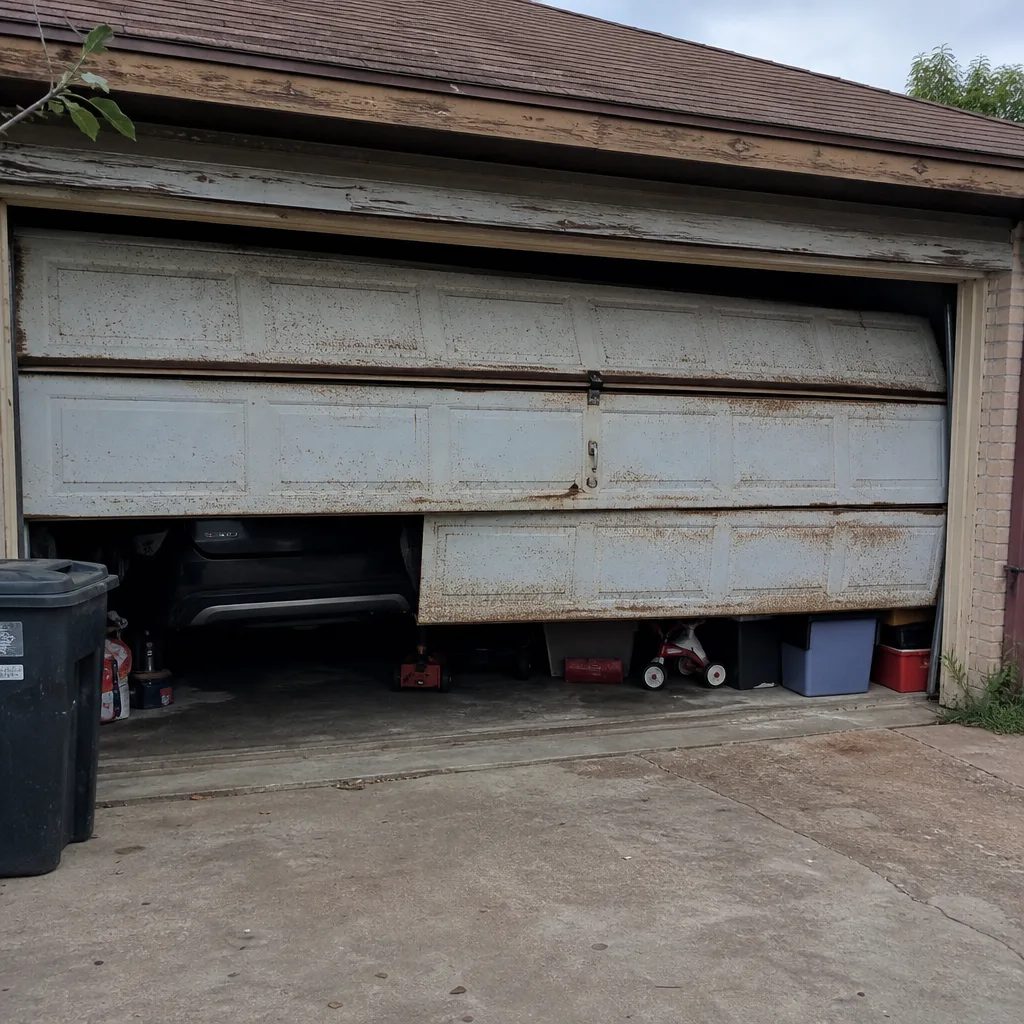 Before
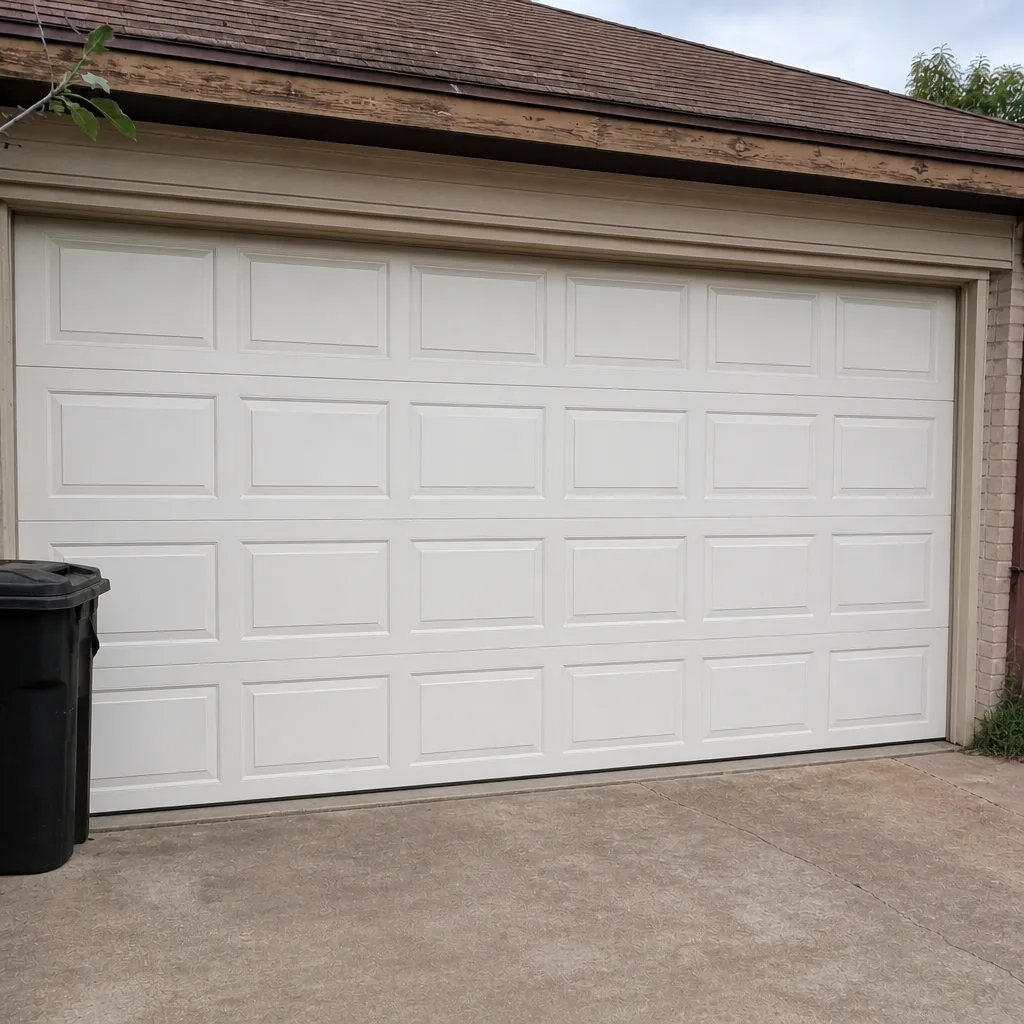 After
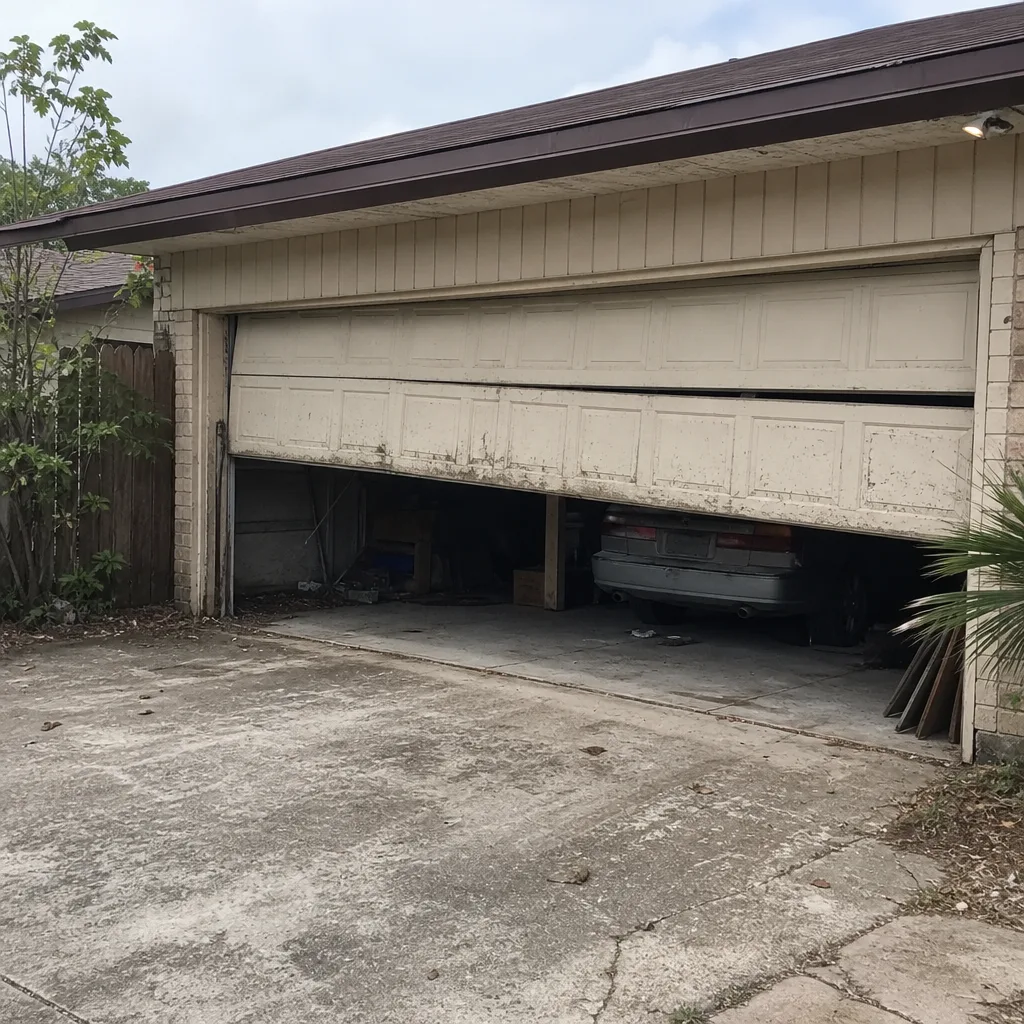 Before
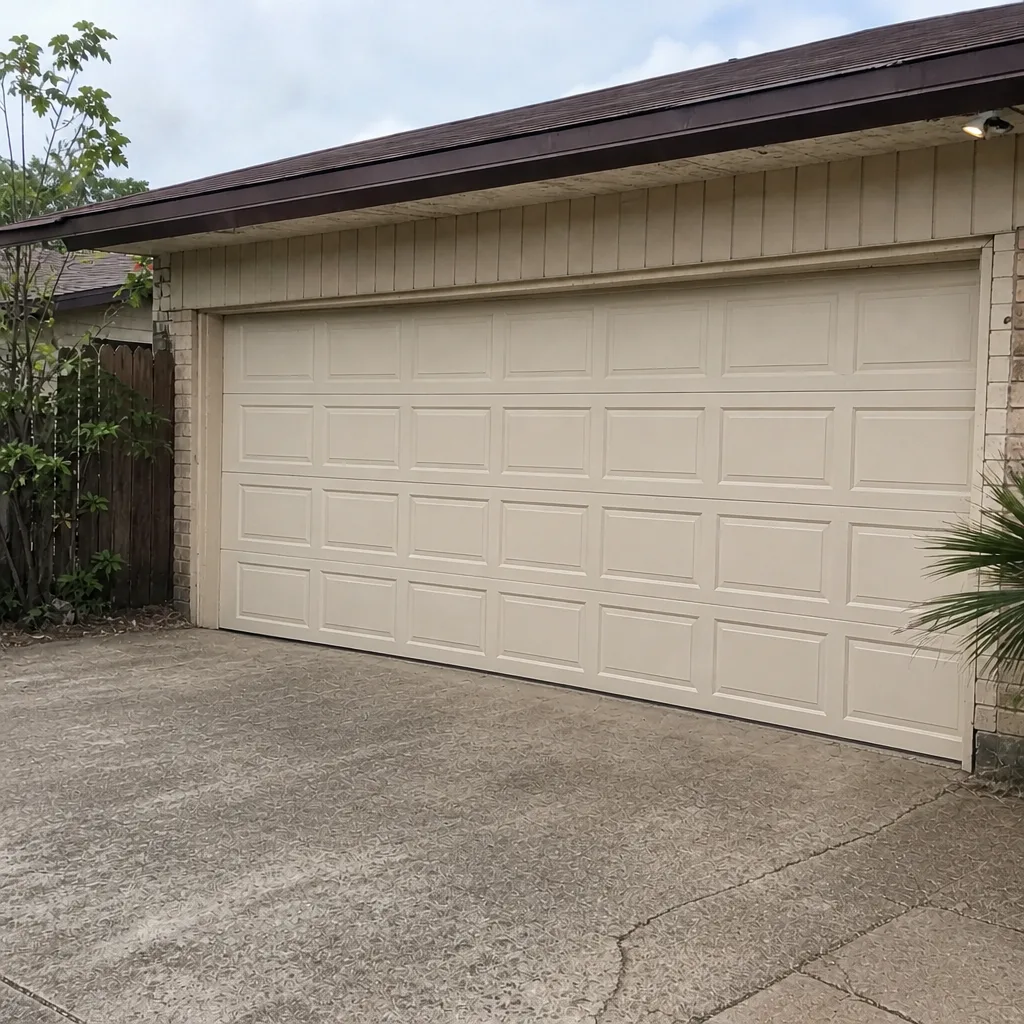 After
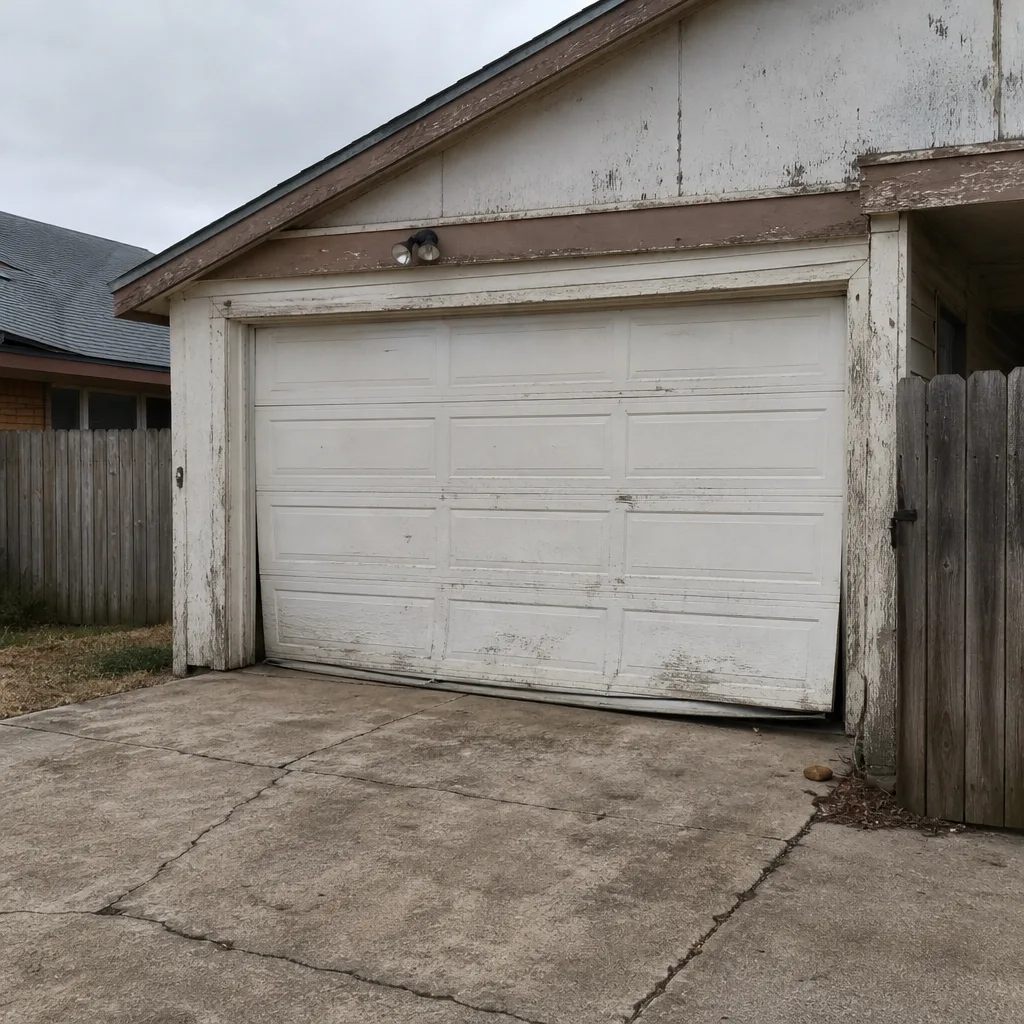 Before
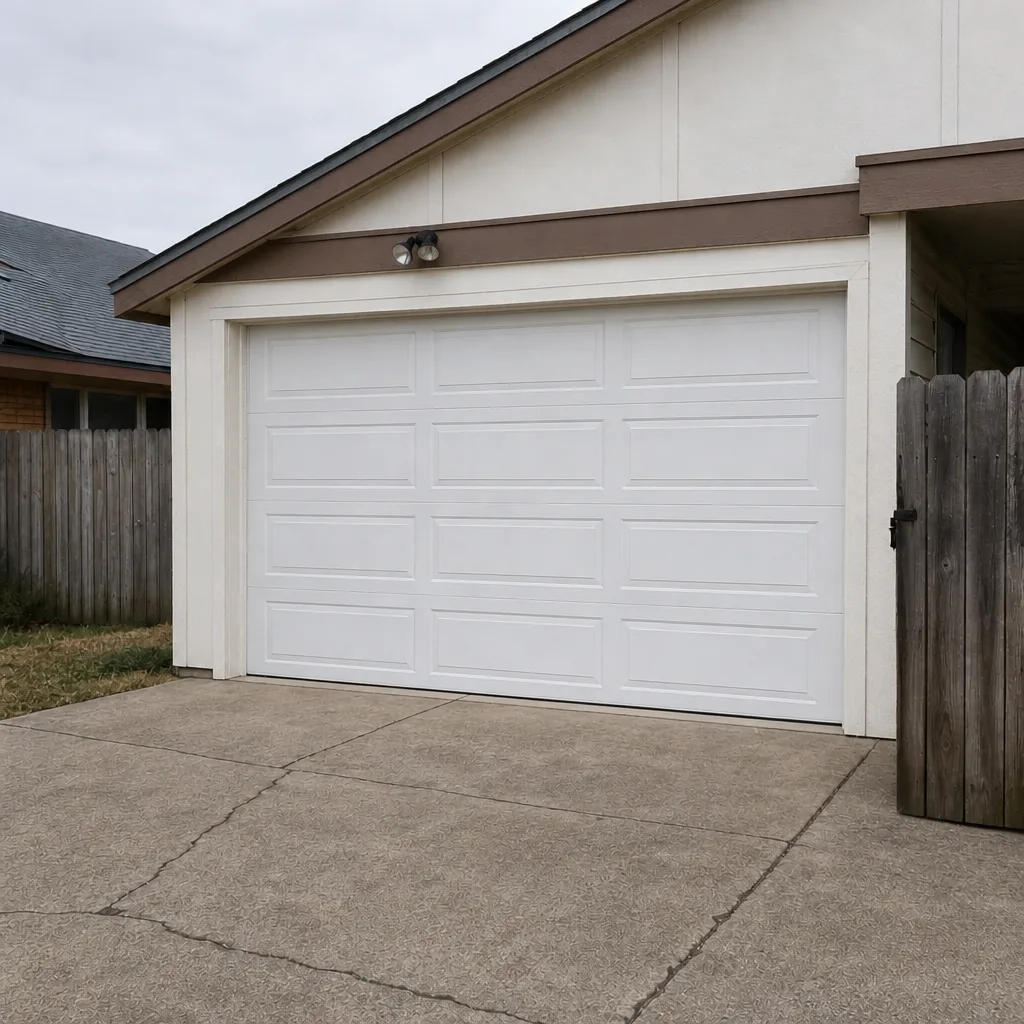 After
When to Call a Professional
Call a professional when a spring or cable has failed, when the door has come off its track, when the opener runs but the door doesn’t move, or when you’re planning a full replacement and need the wind-load and permit questions answered before you order. Call us if you’re in an Edinburg subdivision and aren’t sure whether HOA review applies to the door you want. And call if you’re heading toward a resale and don’t know whether the garage work on your house was permitted; it’s better to find out now than at closing. Covenant Garage Door Repair offers free estimates in Edinburg. Call (866) 389-4630. We answer 24/7. Fast dispatch from 7am to 7pm, Sunday through Friday.
Frequently Asked Questions
It depends on the job. A full garage door replacement in Edinburg usually requires a permit and wind-load documentation, especially when the door’s rating changes or the work affects the building envelope. Routine repair of an existing door typically does not. The City of Edinburg’s building department makes the final call, so confirm with them before ordering the door. Call (866) 389-4630 for a free estimate and we’ll walk through what your job likely needs.
We quote every repair as a written estimate before any work starts, and the written estimate sets the price. Cost depends on what failed: a spring, a cable, rollers, or an opener issue are all different jobs. We don’t quote ranges until we’ve seen the door, because the honest answer depends on the door. Call (866) 389-4630 for a free estimate; the quote is agreed before anyone starts work.
No. The written estimate is the price. If we discover something the estimate didn’t cover, we’ll tell you before doing the work and get your agreement in writing. What we won’t do is finish a job and hand you a bill bigger than the quote. Call (866) 389-4630 for a free estimate.
For repair jobs, often yes. We answer 24/7, and dispatch runs 7am to 7pm, Sunday through Friday. A call outside dispatch hours is booked into the next opening. Replacement installations are measured and scheduled rather than same-day, because the door has to be ordered and the permit and HOA questions have to be resolved first. Call (866) 389-4630.
Our technicians are experienced, with up to 14 years in garage door work, and we’re set up to work on doors and openers from Clopay, Amarr, Wayne Dalton, LiftMaster, Chamberlain, Genie, Craftsman, and Raynor. We work on garage doors only, so every job is a garage door job. Call (866) 389-4630 for a free estimate.
The issue usually surfaces during the buyer’s due diligence, and the resolution ranges from producing the documentation to pulling permits after the fact to negotiating a credit. The cost of resolving it after the sale is typically higher than the permit would have been. If you’re unsure whether the work on your home was permitted, call the City of Edinburg’s building department and confirm before you list. Call (866) 389-4630 if you need the door itself evaluated for compliance.
Often yes. Many newer Edinburg subdivisions run architectural review that’s separate from city code, and it usually covers color, style, and materials. Get written approval before you order the door. Call (866) 389-4630 and we’ll help you line up the sequence so the door, the approval, and the permit all land together.
The Bottom Line
The permit question in Edinburg comes down to whether the work touches the building envelope’s wind performance. Repair almost never does. A full replacement sometimes does, and in a wind-borne debris region the documentation matters as much as the door. Check with the City of Edinburg’s building department before ordering, confirm the door’s wind-load rating, get HOA approval in writing if your subdivision requires it, and keep every document for resale. A permit costs less than a flagged one. Covenant Garage Door Repair works on garage doors only, and the right fix, not the fastest upsell, is what we quote. Call (866) 389-4630 for a free estimate.
Written by the team at Covenant Garage Door Repair.