
Last updated November 15, 2026
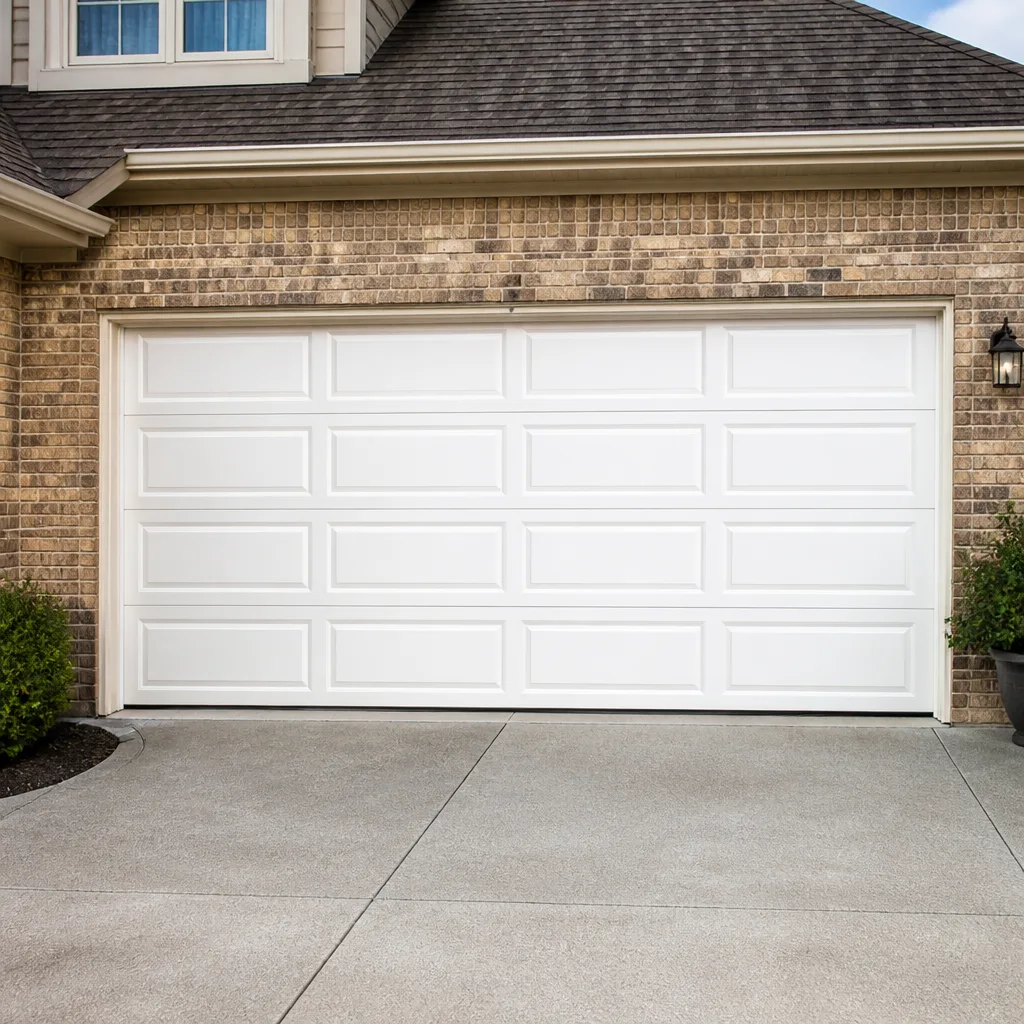 Raised-panel steel
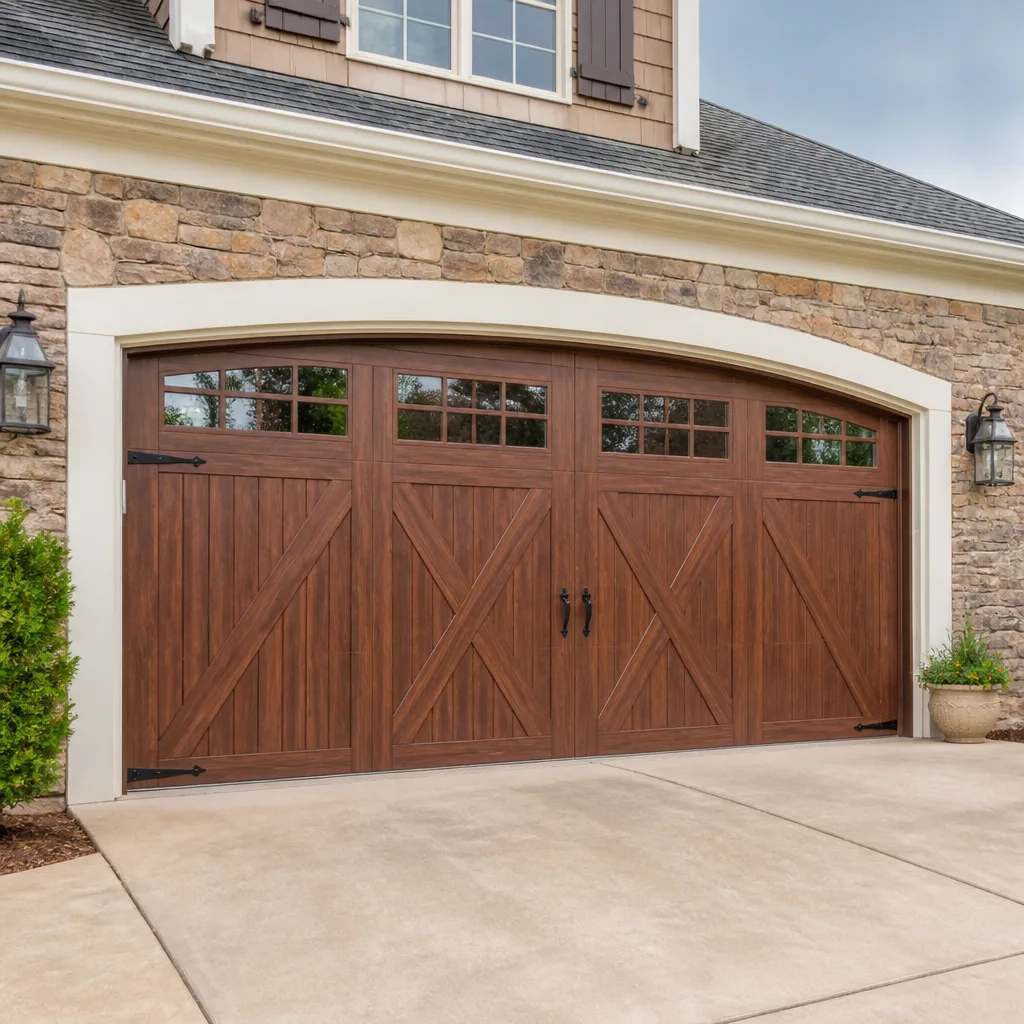 Carriage house
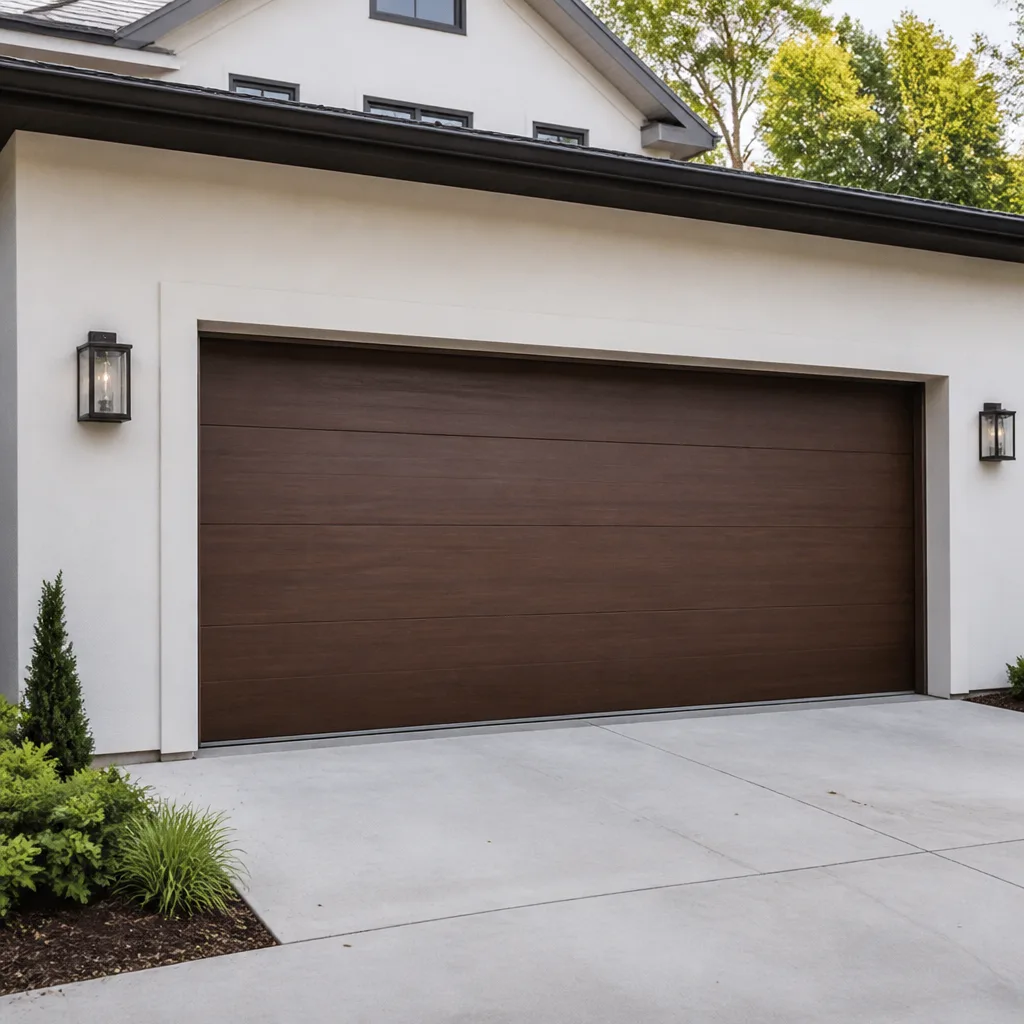 Modern flush
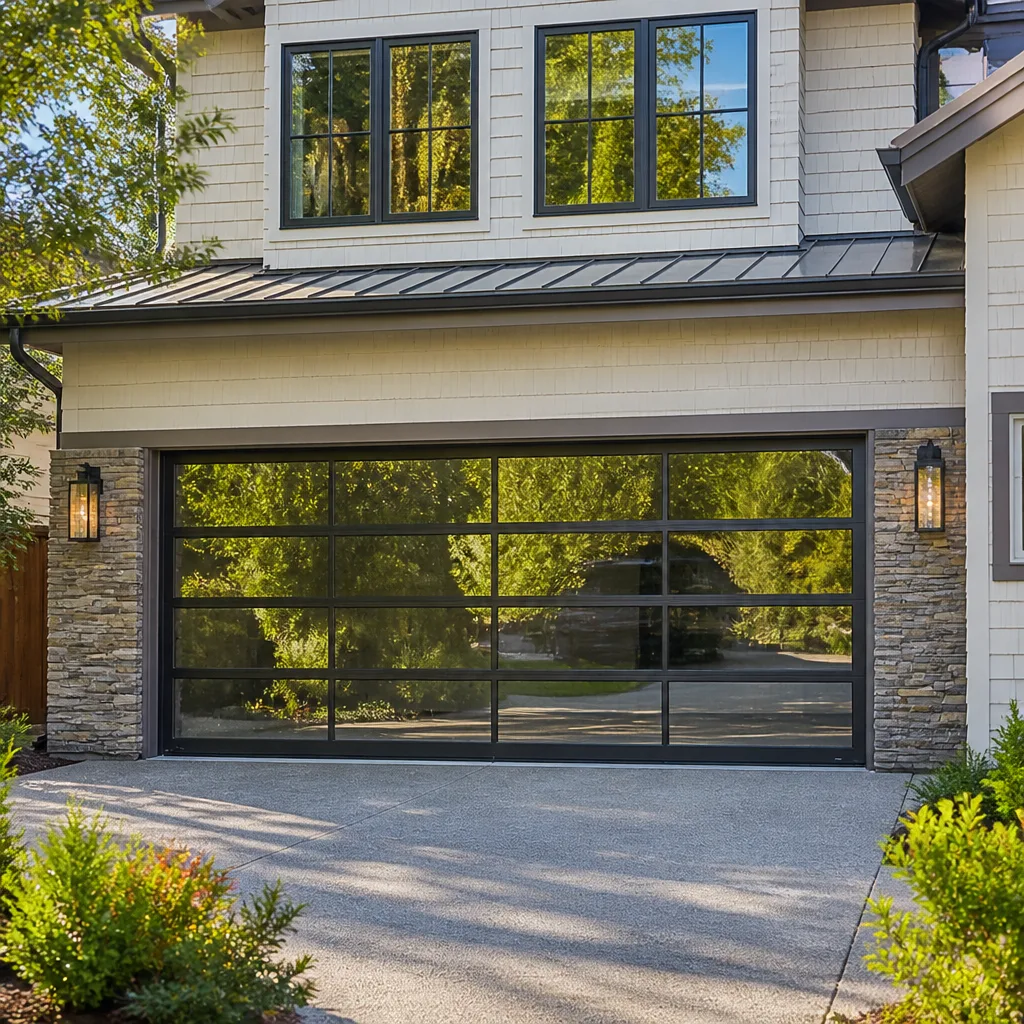 Full-view glass
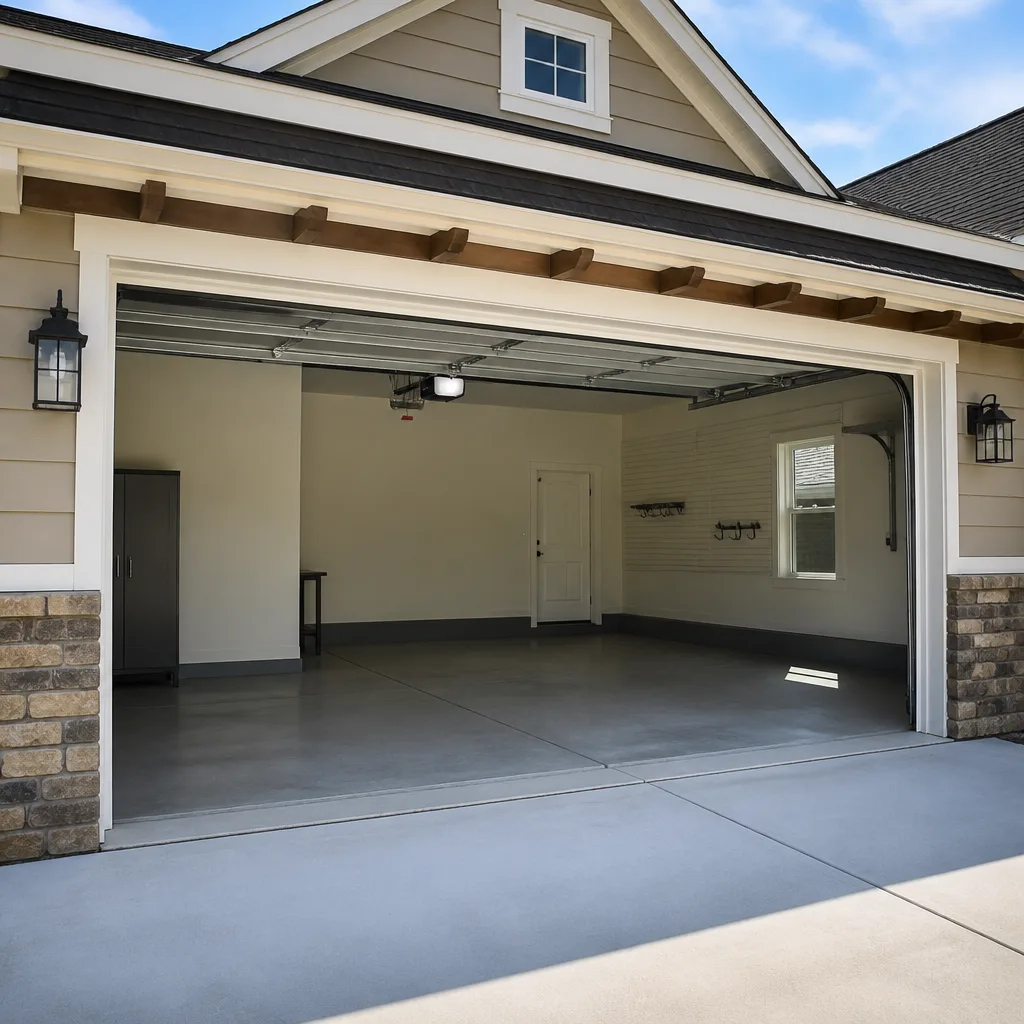 LiftMaster openers
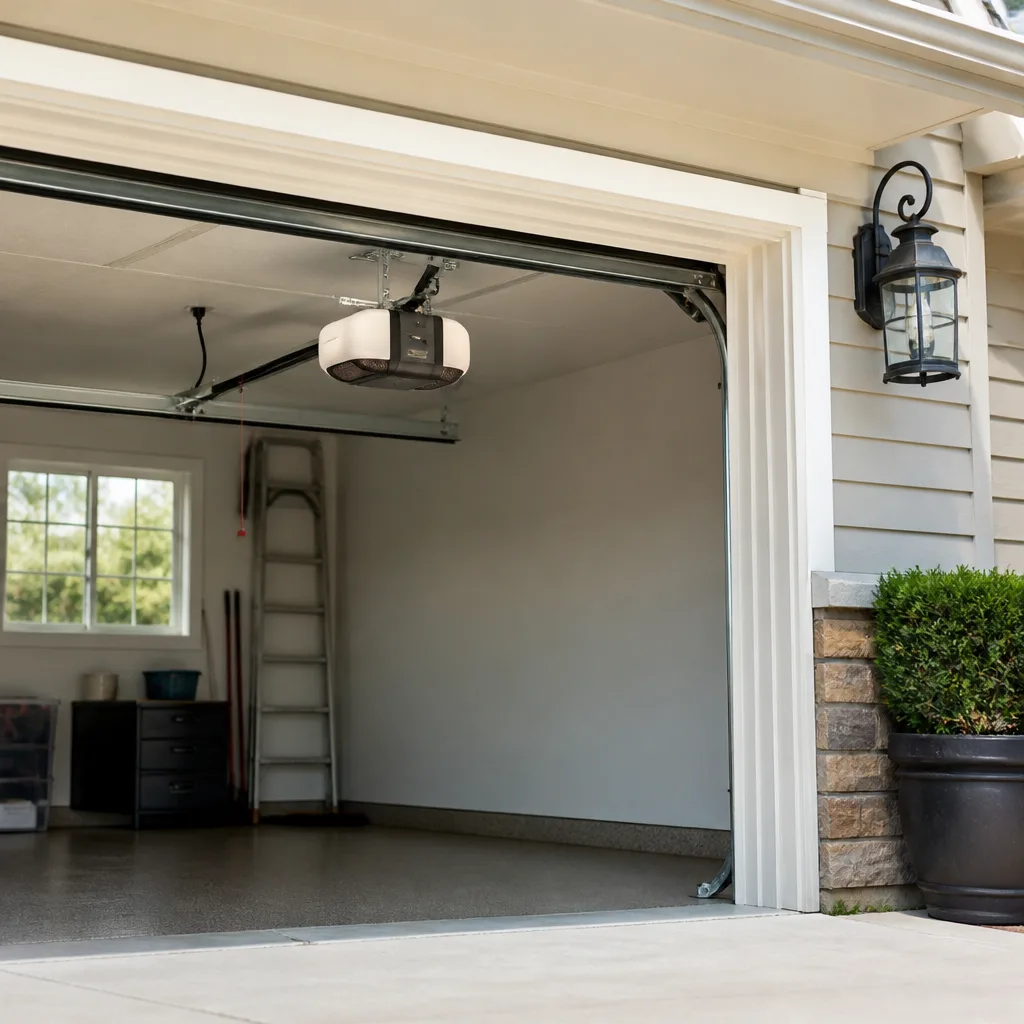 Chamberlain openers
Full 25-point door and opener safety check with every visit - springs, cables, rollers, tracks, and your LiftMaster or Chamberlain opener included
You get a price before we start. It does not change when the pro arrives.
Get your free estimateGarage Door Emergency Preparedness Guide for Edinburg Homes
Most people assume the classic garage door emergency is a snapped spring. In our experience around Edinburg, the call we get most often is quieter and more frustrating: a car trapped inside a closed garage, a failed opener, and a homeowner who has never once looked for the manual release cord. That’s a problem you can solve in ten minutes on a calm afternoon, long before anything goes wrong. What follows is the preparation we’d want our own families to have. We’ll cover how to use the release safely, the events that trigger most door failures in Edinburg, what to keep within reach, and how to decide whether a problem is a call-now situation or a wait-for-morning one.
Quick Answer
A garage door emergency in Edinburg is manageable if you prepare three things in advance: know where your manual release cord is and how to use it without letting the door drop, keep a small kit (flashlight, locking pliers, a sturdy clamp) near the garage, and know which failures mean call a specialist immediately versus wait for daylight. Spring, cable and door-off-track problems are always in the call-now category. A dead opener with the door already down is usually recoverable on your own.
Styles & brands we work with
- Raised-panel steel
- Carriage house
- Modern flush
- Full-view glass
- LiftMaster openers
- Chamberlain openers
Table of Contents
- Why Preparedness Beats Panic
- How to Use the Manual Release Safely
- The Three Events That Trigger Most Edinburg Emergencies
- What to Keep on Hand Before an Emergency
- How to Secure a Door That Won’t Stay Closed
- Call Now or Wait Until Morning?
- Why Springs and Cables Are Never a DIY Fix
- Building a Five-Minute Fall Checkup
Why Preparedness Beats Panic
A garage door is the largest moving object in a home, and it’s also the one system most homeowners never think about until it stops. That’s not carelessness; it’s just how the machine works. It runs for about fifteen seconds at a time, a few times a day, and gives almost no warning before something lets go. Because we work on garage doors only, and not plumbing or electrical or handyman sidelines, we’ve had plenty of chances to notice that the difference between a mild inconvenience and a genuine mess usually comes down to what a homeowner knows ahead of time.
The two things you should be able to do from memory are simple. First, find the emergency release cord on your opener and understand what pulling it does. Second, understand which failures are dangerous and which are just inconvenient. Everything else in this guide builds on those two ideas.
Here in Edinburg the stakes are slightly different than they might be elsewhere. Our climate is hot, our power grid gets stressed during the hottest weeks of summer, and wind events blow through the Rio Grande Valley often enough that track damage from debris becomes a real pattern. None of that makes a garage door fail catastrophically. It just changes which parts fail first, and when. If you live off a main road like McColl or near the expressway, windblown grit finding its way into tracks is worth a quick look after every big gust.
The last piece is trust. If something has gone wrong and you’re weighing a phone call, you should know who is going to show up. Covenant Garage Door Repair is a garage-door-only specialist. That means every technician we work with focuses on garage doors and openers, all day, every day, and our technicians have up to experience. Whether it’s a repair or a full installation, the job stays inside the trade.
How to Use the Manual Release Safely
The manual release cord hangs from the ceiling near the opener. When you pull it, the door disconnects from the opener arm and becomes a door you move by hand. That’s exactly what you want when the opener has failed and the car is trapped. It’s also exactly what you don’t want if the door is being held up by a broken spring, because the door’s own weight is no longer counterbalanced.
The safe procedure depends on which problem you have. Follow the version that matches your situation:
If the opener has failed but the door’s springs and cables are fine:
- Make sure no one is standing under the door. Keep hands and feet clear of the panels.
- Stand to the side of the door, not directly in its path, and reach up to pull the release cord once, firmly.
- Lift the door slowly by hand. It should feel manageable, like lifting a heavy but balanced weight.
- If the door needs to stay open for a short time, prop it fully open and secure it before walking away. Never leave it halfway.
- When you’re done, lower it fully closed. Then re-engage the opener by pulling the cord’s mechanism back into the trolley, which usually happens automatically when the door cycles.
If the spring is broken or you suspect it:
Do not pull the release. A door with a broken spring can weigh well over a hundred pounds, can drop without warning, and is genuinely dangerous to work under. Springs are under high tension even when they look still, and they do not belong to the DIY category. A trained technician handles the release, the door position and the repair, in that order.
If your door is stuck in a partially open position and you suspect a spring or cable problem, that’s a call-now situation. Call (866) 389-4630. We answer 24/7. A call outside dispatch hours is booked into the next opening, Sunday through Friday, 7am to 7pm.
The Three Events That Trigger Most Edinburg Emergencies
Most garage door emergencies in Edinburg don’t come out of nowhere. They cluster around three kinds of events. Knowing them lets you take ten minutes of action before the temperature shifts or the wind blows.
Freeze nights
Edinburg doesn’t see hard, long winters, but it does see occasional freeze nights when temperatures dip well below freezing. On those nights, lock hardware can tighten up, rubber seals and weatherstripping can stiffen, and a door that has been running smoothly for months can feel stuck the next morning. The remedy isn’t complicated. Before a forecast freeze, close the door fully, take a look at the lock and handle, and try the door once by hand. If it feels binding before the cold, it will feel worse after. A quick check on the day before a freeze heads off a morning scramble.
Summer heat and power loss
The hotter weeks of summer put stress on the electrical grid, and summer heat itself is hard on garage door openers. Openers often sit in a garage that can run hotter than the outside temperature, and heat is a common factor when a logic board or motor gives up. If you lose power, your opener is dead until it comes back, even if nothing is wrong with the door. That’s why the manual release matters so much. A power outage during a heat event is when homeowners most commonly discover they don’t know where the cord is, or how it works, or what to do with a car that needs to leave.
Wind events and blowing debris
Windstorms through the Rio Grande Valley push debris into the paths of garage doors and can bend or knock a panel out of alignment. Even a small impact can pop a roller out of a track, and a door that’s out of track will bind, stall, or reverse as soon as it moves. After a strong wind, walk out and inspect the door and tracks from a safe distance before running the opener. If you see a visibly bent track, a panel that’s clearly displaced, or a roller that’s sitting outside its channel, don’t force the door. Call a specialist.
Whatever the event, one habit covers all three: after any notable weather, look before you press the button.
What to Keep on Hand Before an Emergency
The kit is small enough to fit in a drawer or on a shelf near the garage door, and it only needs a few items. These are the ones that actually make a difference when a technician can’t be there for a few hours.
- A bright flashlight. Garages go dark fast, especially if the power is out or the opener’s light fails. You need to see the tracks, the release cord, and the door’s position clearly.
- Locking pliers or a sturdy C-clamp. These are what you’ll use to hold a door in place if it needs to stay in one position for a while. Never rely on a door staying put on its own.
- A short length of rope or a strap. Useful for keeping a propped door from shifting while you climb in or out of the car.
- Your opener’s manual. Every manufacturer’s opener (LiftMaster, Chamberlain, Genie, Craftsman and others) has its own release and reset procedure. The manual tells you exactly what your model does.
- Our number, saved in your phone. (866) 389-4630.
That’s it. A flashlight, pliers or a clamp, some rope, and a manual. The goal isn’t to turn you into a technician. It’s to give you the small tools you need to make a safe decision, rather than force a door you shouldn’t force. This is the kind of prep we’d recommend to anyone living in an Edinburg home with an attached garage, because whether you’re on the north side near the university or south toward Trenton Road, the failure modes are the same.
How to Secure a Door That Won’t Stay Closed
A door that won’t stay closed is an opening in your home. It can also be a hazard to anyone who happens to be in front of it. There are a few temporary measures that work without creating new problems.
- Check the safety sensors first. Most openers have two small sensors mounted at the bottom of the tracks. If they’re misaligned, dusty, or blocked by a stored item, the door will reverse as soon as it starts down. Wiping the lenses and re-aiming them fixes a surprising share of “the door won’t close” problems.
- Remove the obstacle. Even a leaf or a bit of debris in the path can trigger the reverse. Sweep the doorway.
- If the tracks are visibly damaged, don’t run the opener. Lock the door in its current position with a clamp on the track (if the door is fully closed) and leave it alone until a technician arrives.
- If the door is fully closed but won’t stay latched, use a manual lock or a wedged object under the bottom edge. Only do this when the door is fully down and doesn’t have tension or spring issues. Never wedge anything under a door that looks out of alignment.
The temporary measures are for a door that’s stable but stuck. If the door is sagging, visibly off track, or leaning, do not try to prop it. Call a specialist. A door that’s partially fallen is a much bigger risk than a door that won’t move.
Call Now or Wait Until Morning?
The decision tree comes down to two questions. What failed, and where is the door now.
Call now if:
- The door is stuck open or partially open, and there’s no way to close it safely.
- You hear a loud snap (spring or cable), or you can see a spring that’s clearly broken or a cable that’s loose and hanging.
- The door is off track, visibly bent, or has dropped on one side.
- A car is trapped and you need to get it out, and you’re not confident about the release procedure.
- The opener is making grinding, popping or burning odors.
You can usually wait if:
- The door is fully closed and stays closed, and the problem is that the opener won’t run.
- The opener runs but the door reverses immediately, and you can see debris or a misaligned sensor.
- The remotes stopped working but the wall button still functions.
When in doubt, call. A quick conversation over the phone often settles the question, and if the situation can wait, we’ll tell you. Call (866) 389-4630. We answer 24/7. Fast dispatch from 7am to 7pm, Sunday through Friday. We’re closed Saturday, and a call that comes in then is booked into the next opening, Sunday through Friday, 7am to 7pm.
Why Springs and Cables Are Never a DIY Fix
The springs and cables on a garage door are under enormous tension. A torsion spring, the kind that runs across the top of the door, can carry enough stored energy to cause serious injury if it releases while someone is nearby. Cables, which lift the door on each side, are under similar load. Both need a trained technician, and both are outside what a homeowner should ever handle, even with a manual in hand.
We don’t say that to protect our business. We say it because we’ve seen the aftermath of spring work done without the right tools. Springs can be released, adjusted and replaced safely when a technician knows what they’re doing, knows which brand they’re looking at, and knows what kind of door it’s holding up. There’s no shortcut past that.
If you hear a snap, or you walk into the garage and the door is hanging down with the spring clearly broken, that’s the moment to call. Don’t pull the release, don’t try to lift the door, and don’t stand under it. Call (866) 389-4630. Same-day service is the goal on repair calls, and we’ll get you on the schedule.
Building a Five-Minute Fall Checkup
This is the payoff of the whole guide, and it’s the part we most want you to walk away with. A garage door that gets five minutes of attention once a year rarely fails at a bad moment. It’s not a guarantee, but in our experience, the doors that are looked at are the doors that keep working.
- Find the manual release cord and show it to everyone in the household. Make sure everyone knows what it looks like and where it hangs.
- Walk around the door and look for visible wear. Ripped weatherstripping, a bent bottom seal, rollers that look dry or cracked, and any track that’s visibly out of line.
- Run the door once and listen. A door that’s working properly sounds steady. Grinding, squealing, or a rumble that wasn’t there last year is worth a call.
- Test the safety sensors. With the door open, sweep an object across the sensor beam. The door should reverse. If not, the sensors need attention before anything else.
- Check the balance. Pull the release with the door fully closed and no spring problems, then lift it halfway by hand. If it stays put, the door is balanced. If it drops or rises on its own, the springs may need adjustment.
- Save our number. (866) 389-4630.
That’s the whole thing. Five minutes, once a year, and you’ve handled a chunk of what most emergency calls turn into.
Common Mistakes to Avoid
- Pulling the release with a broken spring. We’ve said it more than once, and we’ll say it again. A door that has lost its spring tension has no counterbalance, and it can drop hard enough to hurt someone or damage the car. If the opener is dead and the spring is fine, pull it. If the spring is broken, don’t.
- Forcing a door that’s off track. Running the opener on a door with a bent track will almost always turn a small repair into a bigger one. Let a technician look.
- Mismatching replacement parts. Wayne Dalton, Craftsman, Raynor and LiftMaster doors and openers all have their own specs. Buying the wrong part and forcing it into place is a common reason a small problem grows. garage door opener repair calls often start with a homeowner who tried a part that didn’t fit.
- Ignoring a warning squeal. Most garage door failures we see didn’t come from nowhere. They came from a door that had been noisy for a month before it stopped. A worn roller or a loose hinge is a small fix if it’s caught early.
- Wrapping the sensors with a bag to “keep them working.” Safety sensors exist because a garage door can close on a child or a pet. Bypassing them is never worth it.
- Skipping the after-storm look. A quick walk around the door after a wind event takes less time than the phone call that follows a damaged track. Whether you’re near the hospital district or out on Canton Road, the pattern holds.
- Leaving a stuck door open overnight in summer. Beyond the obvious security issue, an open door pulls air out of the house and lets heat in. If you can’t close it, a temporary measure (secure it in its current position) is better than leaving it wide open until morning.
See the difference
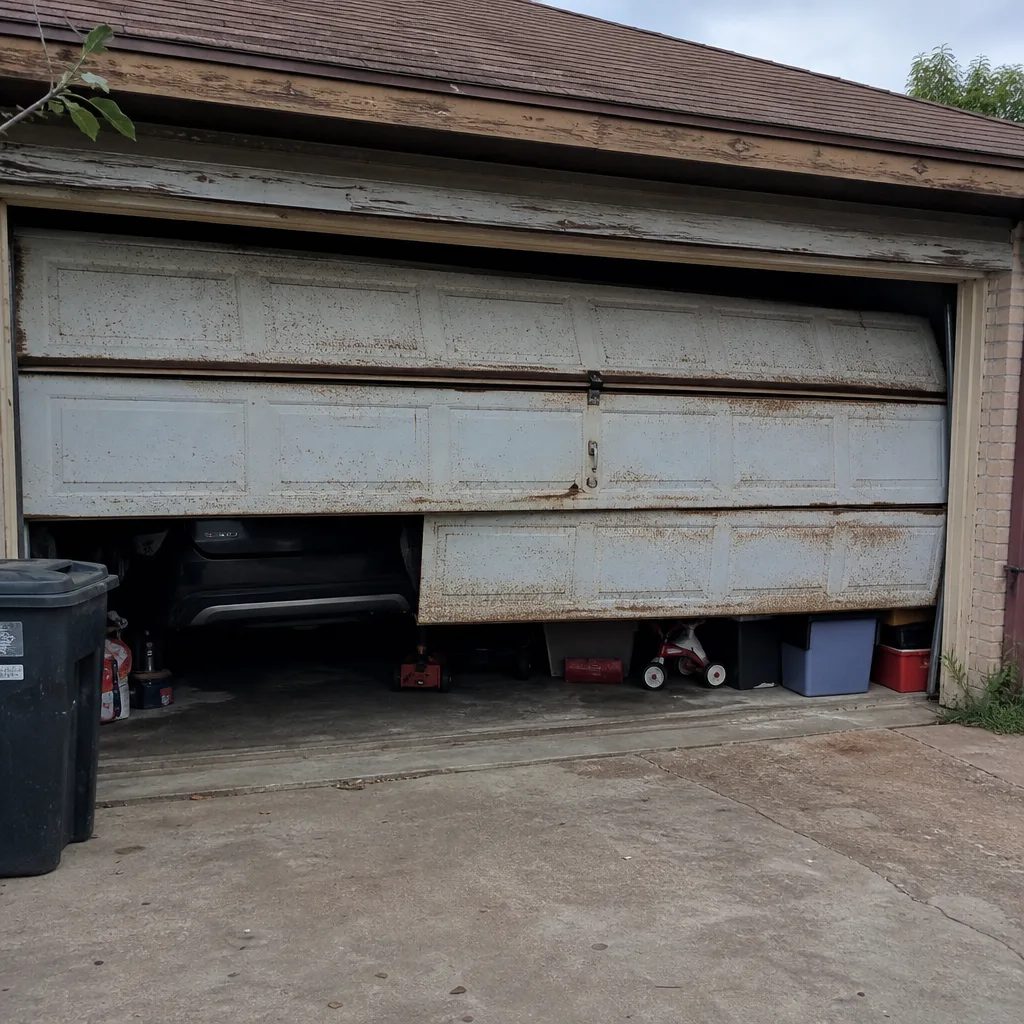 Before
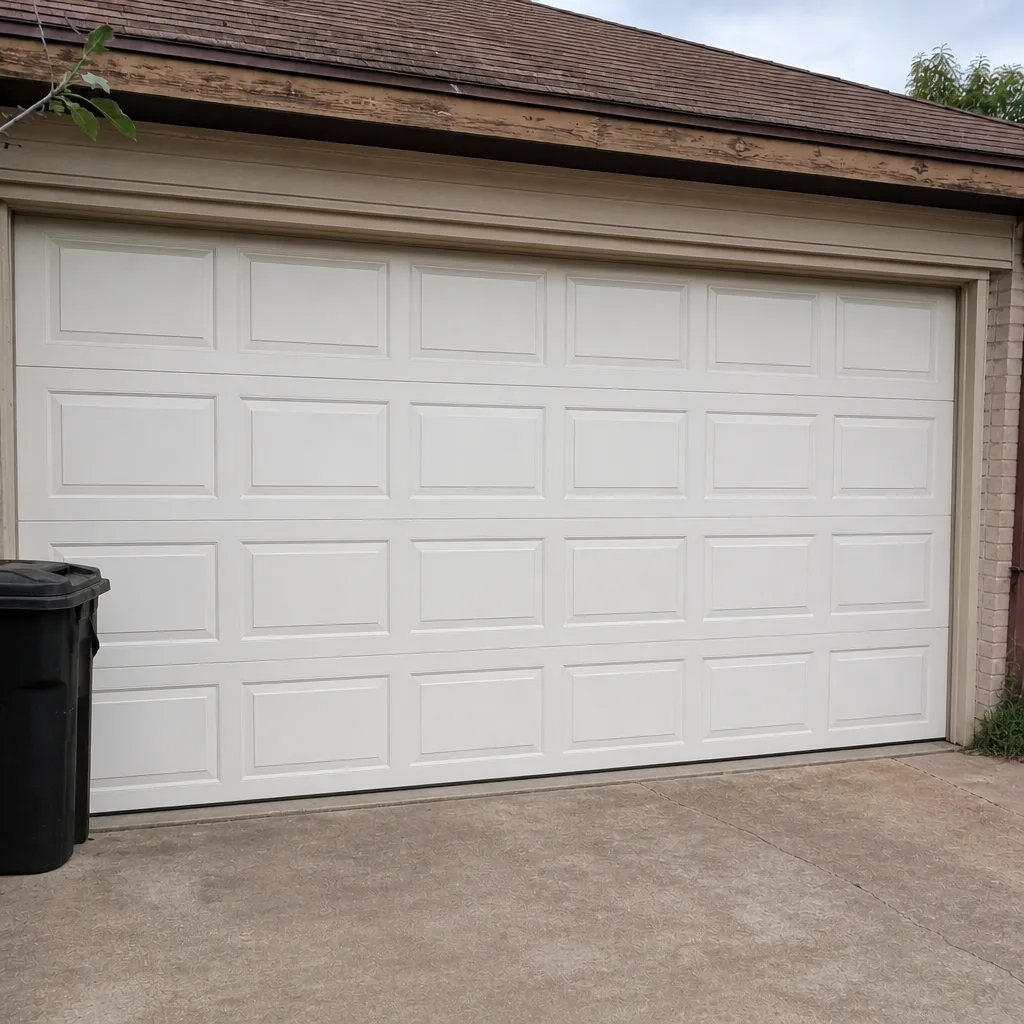 After
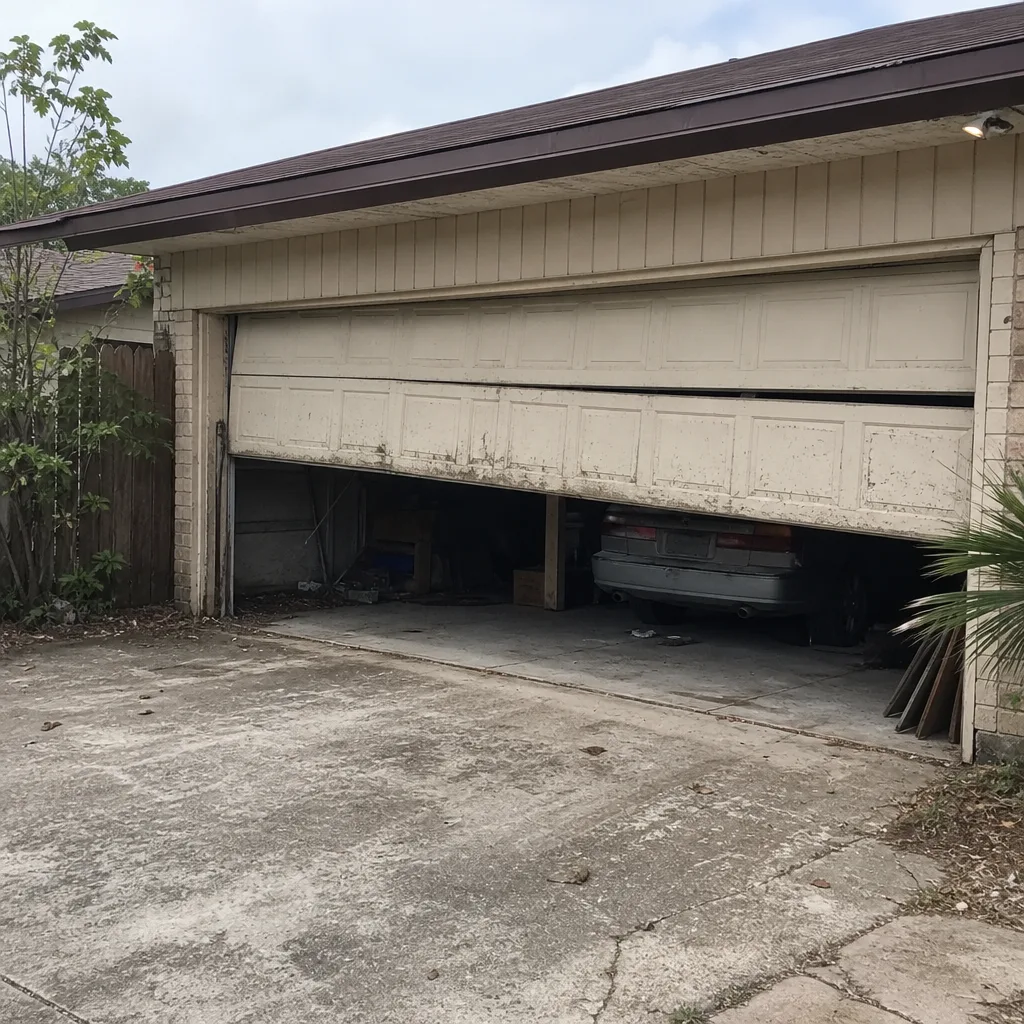 Before
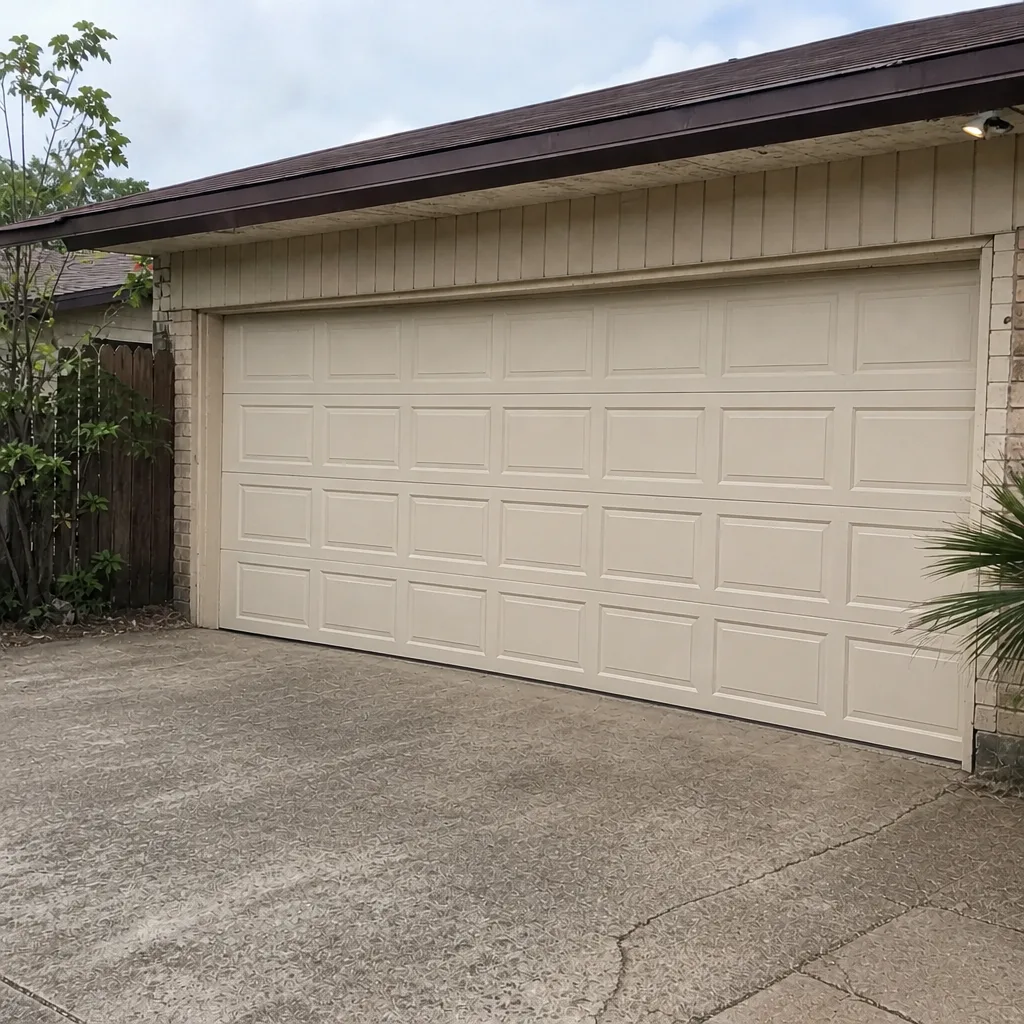 After
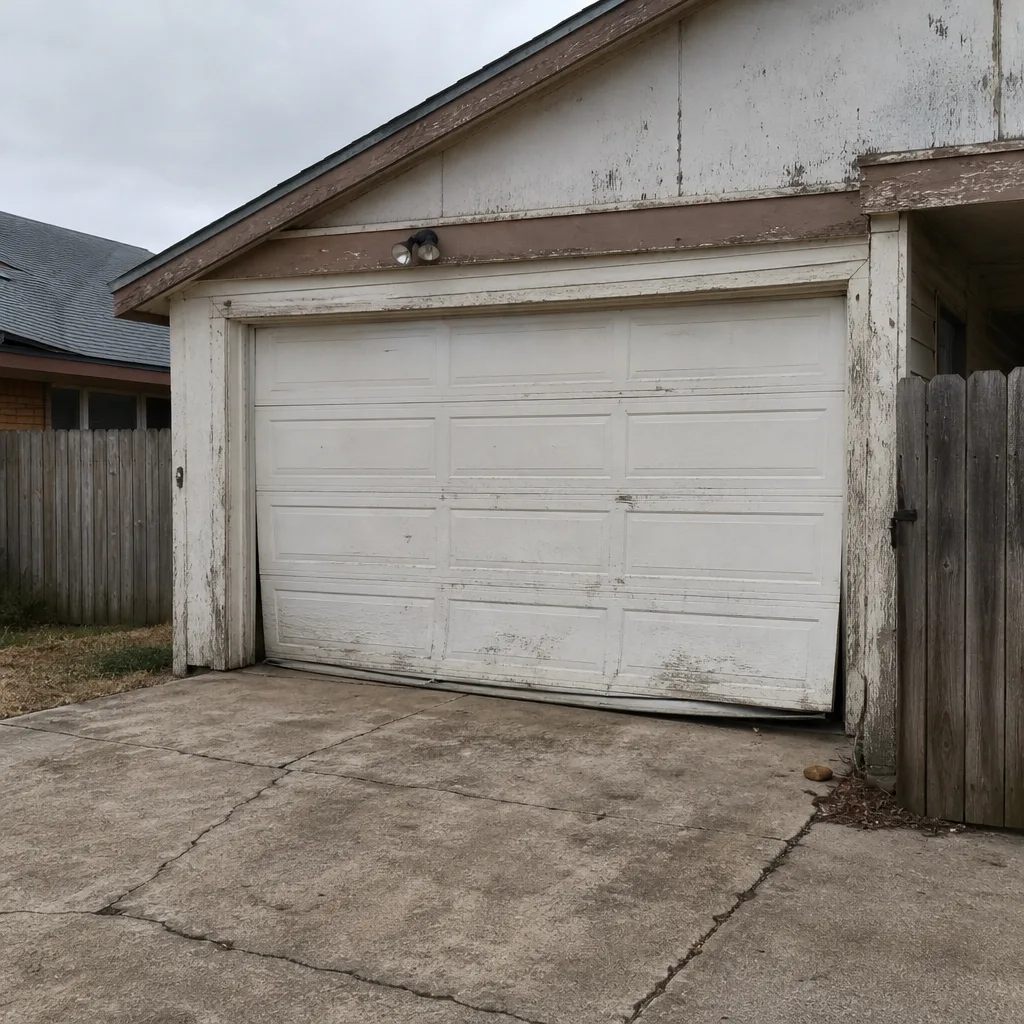 Before
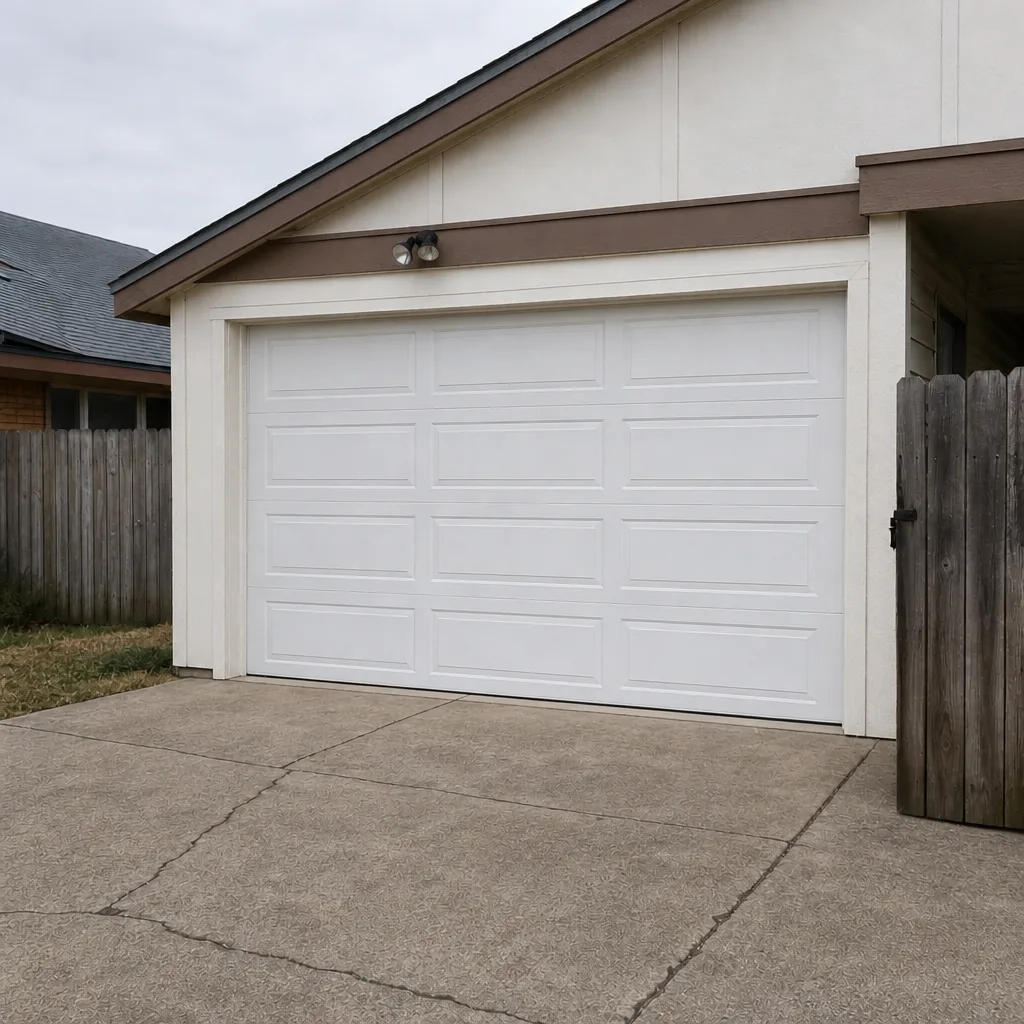 After
When to Call a Professional
Call a professional when the door involves spring or cable tension, when it has moved off track, when it’s visibly bent or sagging, when a car is trapped and you don’t know the release procedure, or when the opener shows signs of electrical trouble (burning smell, repeated breaker trips, grinding). Those are all situations where a specialist should take over. You should also call when you’re simply not sure, because a quick conversation over the phone settles most of the guesswork.
Covenant Garage Door Repair offers free estimates in Edinburg. Call (866) 389-4630. We’re a garage-door-only specialist, and our name means we stand behind the work. Whether you need a garage door repair on a stuck door or a diagnostic visit on a suspicious opener, we’ll walk you through it, quote a written price before any work starts, and leave you with a door that closes like it should. The written estimate sets the price. It doesn’t move after they arrive.
Frequently Asked Questions
A failed opener with a car trapped inside, and a homeowner who doesn’t know where the manual release cord is. It’s the most common call we get, and it’s also the most preventable. Find the cord today and show it to anyone else who drives out of your garage.
No. If the spring is broken, call a specialist, don’t pull the release. Without spring tension, the door’s weight is no longer managed by the counterbalance system, and it can drop. Call (866) 389-4630 and we’ll walk you through the safest option for your door’s position.
It depends on the failure, so we set the price per job with a free written estimate before any work starts. You’ll know the number in advance, and it doesn’t change because you called at a bad time. Call (866) 389-4630 for an exact quote. Estimates are free.
Use the manual release if you need to get the car out and your springs and cables are fine, or wait until power returns if the door is closed and the car doesn’t need to move. If the door is closed and you don’t need to leave, waiting is fine. If you have a broken spring or the door is stuck open, call (866) 389-4630. We answer 24/7. A call outside dispatch hours is booked into the next opening, Sunday through Friday, 7am to 7pm.
Most likely yes. We work on LiftMaster, Chamberlain, Genie, Clopay, Amarr, Wayne Dalton, Craftsman and Raynor systems. That covers the brands in most Edinburg garages. If you’re not sure what you have, the brand name is usually on the opener housing or the door’s bottom bracket.
Yes. Our technicians are experienced, our technicians have up to experience, and the work is covered by a company name that stands behind every job. Call (866) 389-4630 if you’d like to talk through your situation before booking.
The Bottom Line
Garage door emergencies in Edinburg are predictable. They cluster around freeze nights, summer power loss and wind events, and a few minutes of preparation makes the difference between a quick fix and a bad morning. Know where your manual release cord is. Never pull it if the spring is broken. Keep a flashlight, pliers and some rope near the garage. Look at the door once a year. And when something does go wrong, call a specialist rather than force the door. If you live in an Edinburg home and want a garage door that behaves year-round, our team is one phone call away. To learn more about the areas we work in, see Edinburg.
Call (866) 389-4630 for a free estimate. We answer 24/7. Fast dispatch from 7am to 7pm, Sunday through Friday.
Written by the team at Covenant Garage Door Repair.